Tech all rounder

MagicOS 9.0: Revolutionary Update You Can’t Ignore

With MagicOS 9.0, Honor has once again demonstrated its dedication to providing its users with the best possible experience. This new version, built on Android 16, is revitalizing Honor phones. Whether you’re gaming, working professionally, or using social media daily, MagicOS 9.0 is making an impact everywhere. I’ve personally spoken to several Honor users and compiled this article based on our testing. If you’re an Honor user or considering purchasing a new Honor phone, this comprehensive guide will be very useful. Let’s take a closer look at what MagicOS 9.0 offers and how it can enhance your phone. Release Timeline Honor has begun the MagicOS 9.0 rollout in phases. Q2 2026: Flagships like the Honor Magic 7, Magic 7 Pro, and Magic V3 are receiving the update first. Q3-Q4 2026: The Magic 6 series, Note series, and other mid-range models will receive the update. The rollout may be a little slower in India, but Honor typically provides 2-3 OS updates and 4-5 years of security patches. What is MagicOS 9.0? MagicOS 9.0 is Honor’s new operating system built on Android 16. Honor calls it a “smarter and smoother experience.” Compared to the previous MagicOS 8.0, it features significant improvements in AI capabilities, UI design, privacy features, and performance optimizations.Honor’s focus this time is on “Intelligent Interaction.” MagicOS 9.0 automatically adjusts the phone to your usage patterns – whether it’s gaming, multitasking, or battery saving. This update gives Honor the ability to compete directly with OnePlus’s OxygenOS and OPPO’s ColorOS. What exactly is MagicOS 9.0 changing? What exactly change in MagicOS 9.0 1. AI-Powered Intelligence MagicOS 9.0 features a significant boost in AI. Smart Scene Recognition — The phone automatically detects whether you’re gaming, watching videos, or working and optimizes the background. AI Assistant — Improved voice commands, real-time translation, and smart suggestions. AI Image & Video Editing — Remove unnecessary elements and change backgrounds in photos/videos without the need for an additional app. 2. New UI Design – Magic Glow MagicOS 9.0’s new design is called “Magic Glow.” It features glassy, ​​translucent effects, smooth animations, and a modern icon style. The Quick Settings panel, notification shade, and homescreen now look more elegant and intuitive. New styles have also been added to Dark Mode and Always-On Display. 3. Performance & Gaming Improvements Improved CPU/GPU management has reduced frame drops. Magic Gaming Mode – Bypass Charging, Anti-Interference, and High FPS Support. Multitasking is now smoother – split screen, floating windows, and app locker work better. 4. Battery Optimization MagicOS 9.0 has a noticeable improvement in battery life. Smart battery saving, background app control, and AI-based power management allow phones like the Honor Magic 7 series to easily last 1.5-2 days. This combination, combined with fast charging, is proving very popular with users. 5. Privacy & Security New Privacy Dashboard App Permission Manager Secure Folder and Private Space Improved biometric security (In-Display Fingerprint + Face Unlock) 6. Customization Options: Honor has made customization more powerful. There are numerous new options across themes, icon packs, fonts, Always-On Display styles, and home screen widgets. Also Read :  iPhone 17 Complete Information – Is It Worth Buying? Which Honor phones will get frist? Which Honor phones will get MagicOS 9.0 first? Key eligible devices: Honor has launched it as the Honor Magic 7 / 7 Pro / 7 Ultra. Honor Magic V3 (Foldable) Honor Magic 6 / 6 Pro / 6 RSR Honor Note 60 / Note 50 series Honor 400 Pro and select mid-range models This may be the last major update for some older models. Honor will update the official list periodically. The update is rolling out slowly in India, but Honor typically releases 2-3 major OS updates. If your phone is from the Magic 7 or Magic 6 series, you should receive a notification soon. OS 9.0 vs. OS 8.0 – What are the changes? MagicOS 8.0 was already good, but MagicOS 9.0 goes even further: The UI is more modern and smoother AI features are more useful Battery and performance improvements Gaming mode is more powerful Privacy tools are improved Overall, MagicOS 9.0 gives Honor a more premium feel. MagicOS 9.0 vs. Older Version MagicOS 8.0 was already better, but 9.0’s UI is more modern, AI is more useful, and performance is more stable. Animations are smoother, battery life is better, and minor bugs have been reduced. Overall, this upgrade really makes a difference. How to install Go to Settings → About Phone → Check MagicOS Version. When the update is available, download it while connected to Wi-Fi. Perform a full backup of your phone. Keep your phone charged during the update. Keep track of updates on Honor’s official website and community. Also Read : Samsung Galaxy S26 Ultra 5G: 5000mAh battery, Snapdragon 8 Elite Gan 5, 200MP Camera. Pros & Cons Pros Attractive Magic Glow UI – a glassy and elegant look Useful AI features that simplify everyday tasks Improved performance and gaming optimizations Good battery life and fast charging support Robust customization options Improved security and privacy Cons Rollout is currently in the pipeline – not all phones will receive it immediately According to Honor, not all older devices will be eligible for this update. Minor bugs may occur in the initial days AI features may be limited in some regions Some users may experience fewer features than ColorOS or OxygenOS Final verdict MagicOS 9.0 shows Honor is serious about giving users a complete package – good looks, smart features, solid performance, and decent battery life. It’s not trying to reinvent the wheel, but rather polish what already works and fix the small annoyances. For existing Honor owners, this update makes the phone feel fresh again. For anyone thinking about buying a new Honor device in 2026, MagicOS 9.0 is a big reason to consider their lineup seriously. The mobile experience keeps evolving, and Honor is clearly keeping pace. If your device is supported, MagicOS 9.0 is worth installing. It turns a good phone into one that feels more … Read more

Best Camera Phones: Ultimate Imaging Power Devices 2026

Best Camera Phones 2026 premium smartphone

Nowadays, DSLR-like cameras have been replaced by the “Best camera Phones.” In 2026, smartphone cameras have reached such a level that many people are abandoning DSLRs for everyday shooting. With excellent low-light performance, pro-level video recording, and a powerful zoom, these top devices prove that even a small camera can do wonders. Whether you’re a casual photographer seeking reliable point-and-shoot photography without hassle, a creator interested in vlogs, or a serious photographer pursuing beautiful artistic images, read this complete guide to learn about the best camera phones of 2026. We’ll test the devices’ hardware, software, and real-use performance under various conditions, and help you find the right device for your needs. The competition is getting tougher than ever. Chinese brands like Xiaomi, OPPO, and Vivo are taking hardware to the next level with larger sensors and advanced optics, while Apple, Google, and Samsung appear to be leading the way when it comes to consistency and video quality, as well as ecosystem integration. Let’s take a look at the features that make the best camera phones in 2026 special, and which ones are the best. What Defines the Best Camera Phone in 2026? Modern flagship cameras are complex systems featuring multiple lenses, large sensors, advanced image signal processors (ISPs), powerful image signal processors, and intelligent AI algorithms. Key considerations include the following: Sensor size and quality: Larger sensors capture more light and finer details, especially in challenging conditions. Lens versatility: Various focal lengths (from wide to telephoto) enable greater creative exploration without additional gear. Computational magic: AI features like scene recognition, noise reduction, and object removal enhance every photo. Consistency and ease of use: Top cameras deliver impressive output effortlessly in any lighting condition. Video capability: 8K video, smooth stabilization, and professional color control are crucial for content creators. In 2026, the difference in transformation will be evident. Some smartphones excel at still photography thanks to their robust hardware, while others prioritize balanced, reliable performance and excellent video quality. Comparison Table: Top Camera Phones 2026 Phone iPhone 17 Pro Max Google Pixel 10 Pro Samsung S26 Ultra Xiaomi 17 Ultra OPPO Find X9 Pro Best At Video & Consistency Low Light & AI Zoom & Versatility Detail & Hardware Portrait & Zoom Main Sensor 48MP 50MP 200MP Advanced High-res Zoom Performance Very Good Good Outstanding Excellent Excellent Video Quality Outstanding Very Good Excellent Very Good Good Low Light Excellent Best-in-Class Very Good Excellent Very Good Video Recording 4K at 60FPS 4K at 60FPS 4K at 60FPS 4K at 60FPS 4K at 60FPS Price Range (USD) $1199+ $999+ $1299+ $899+ $949+ Top 5 Contenders for Best Camera Phone in 2026 Here are the Best Camera Phones of 2026, ranked by blind tests, expert opinion, and real-world usage: Apple iPhone 17 Pro / Pro Max – The Reliable All-Rounder Apple iPhone 17 Pro / Pro Max Apple has maintained its proven reputation with the iPhone 17 Pro series. This 48MP triple camera setup delivers natural colors and excellent dynamic range, delivering consistent image quality in every photo. The device excels in video quality, while 4K Dolby Vision and smooth stabilization make it a favorite among vloggers and filmmakers. The iPhone performs exceptionally well in everyday situations and low light. Its computational photography maintains natural skin tones and delivers excellent bokeh effects in portrait shots. While it may not have as many megapixels, the hardware-software balance delivers images that are instantly shareable. It is ranked number 1 in Best Camera Phones in 2026 Strengths: Pro-level video quality, dependable shooting performance, and strong ecosystem connectivity. Weaknesses: Zoom performance is decent, yet it doesn’t reach the level of telephoto monsters. Google Pixel 10 Pro / Pro XL – Master of Computational Photography Google Pixel 10 Pro / Pro XL Google’s Pixel 10 series maintains its reputation for iconic photo processing. The Pixel’s 50MP main camera and advanced AI capture natural and detailed photos in all lighting conditions. Innovative features like Best Tech, Magic Editor, and Add Me make it extremely practical and entertaining for social sharing. In portrait and human photography, the Pixel consistently wins blind tests, with highly accurate skin tones and realistic image rendering. Its Night Mode proves unmatched in many conditions, capturing exquisite details even in the darkest of conditions. It is ranked number 2 in Best Camera Phones in 2026 Strengths: Excellent low-light performance, advanced AI editing, and consistently impressive results. Weaknesses: Hardware zoom works well but falls short of Samsung in extreme telephoto. Also Read :  iPhone 17 Complete Information – Is It Worth Buying? Samsung Galaxy S26 Ultra – The Zoom King Samsung Galaxy S26 Ultra The Samsung Galaxy S26 Ultra features a powerful and versatile quad-camera setup, highlighted by its 200MP main sensor and advanced telephoto lens. This smartphone targets users who enjoy zooming in on distant subjects – whether they’re shooting sports, capturing wildlife, or capturing architectural details. The S26 Ultra offers excellent versatility with strong performance at different focal lengths. Its processing sometimes tends to favor bright and pop-up colors, typical of social media. Video quality is quite good, but doesn’t always deliver Apple-level smoothness. It is ranked number 3 in Best Camera Phones in 2026 Strengths: Excellent zoom capability, support for multiple shooting modes, and high-resolution detail. Weaknesses: Images can be over-processed in some situations; the design is a bit thick and heavy. Xiaomi 17 Ultra – Hardware Beast for Enthusiasts Xiaomi 17 Ultra For those who are passionate about maximum hardware power, the Xiaomi 17 Ultra stands out from the rest thanks to its advanced camera tech and Leica-tuned optics. It offers stunning detail, wide dynamic range, and natural color science, making it a great choice for photography enthusiasts who prioritize complete control and post-processing. This phone’s large sensor and innovative lens design place it at the forefront of technical performance. It’s exceptionally strong for still photography in good light and offers tools that professional users will appreciate. It is ranked number 4 in Best Camera Phones in 2026 Strengths: Excellent sensor quality, pro-level … Read more

OxygenOS 17: Powerful Features You’ll Love or Hate

The biggest software revolution for OnePlus users is coming in 2026 – OxygenOS 17. Based on Android 17, it will make OnePlus phones smoother and more powerful than ever. Whether you’re using the OnePlus 15, OnePlus 13, or an older flagship smartphone, this update brings significant improvements to performance, AI features, battery life, and the daily experience. OxygenOS has been praised for its simple design, fast performance, and stock Android-like experience. In OxygenOS 17, OnePlus has focused primarily on performance. It features smooth and fluid animations, improved CPU optimization, fewer frame drops, and smart AI technology. If you’re using a OnePlus phone or planning to buy a new one, this article is essential for you. What is OxygenOS 17? Full features and launch date revealed OxygenOS 17 is a modern custom Android skin based on Android 17. Google started Android 17 development early, so OnePlus has also picked up the pace. According to Tech Update, OnePlus 15 users will have access to Android 17 Beta 2 in April 2026. The rollout of OxygenOS 17 is expected to begin between June and July 2026. Flagship devices like the OnePlus 15 series will receive the update first, followed by support for other smartphones. OnePlus also provided an early update to Android 16 last year, so OxygenOS 17 is expected to arrive soon. What is OxygenOS 17? The new OxygenOS 17 primarily aims to deliver significant improvements in performance and fluidity, delivering a smoother experience. Improved animations, reduced frame drops, and improved CPU/GPU management significantly improve phone speed and responsiveness. Performance will remain unchanged even during prolonged gaming or multitasking. The company has improved system optimizations to balance battery efficiency and performance. OxygenOS 17 will feature smart integration of AI features, making AI more helpful and less interruptive. Homescreen apps are automatically shifted to the correct category using artificial intelligence. Privacy is improved by processing data on-device. Next-generation smart suggestions system Improved AI Eraser and video editing tools. In the future, AI will not only be a feature, but will become a necessary tool to simplify everyday tasks. The new update focuses on battery and charging optimization, improving charging and battery performance. Smart battery saving modes, improved CPU scheduling, and background process control will maximize battery life. This combination, combined with OnePlus’ fast charging technology, allows users to enjoy uninterrupted use throughout the day. The camera and media experience will receive significant improvements, including improved zoom transitions, editing tools, and video stabilization. Color accuracy and brightness management for media consumption (videos and photos) will be further improved. OxygenOS is known for its simplicity and clean design when it comes to customization and user interface. The new OxygenOS 17 features advanced customization, improved quick settings, a refined notification shade, and a lightweight design. Select users can benefit from high-level customization settings like Good Lock. OnePlus has taken privacy and security to a new level with Android 17’s advanced security features. Improved app lock, new private space and permission management features will give users more control. Primary eligible devices: OnePlus 15 Series / 15R • OnePlus 13 Series (13 / 13R / 13T) OnePlus 12 Series (12 / 12R) OnePlus 11 lineup OnePlus Open (Foldable Smartphone) Selected Nord Smartphones For older flagships and devices like the OnePlus Open, OxygenOS 17 will be the last major OS update. After that, only security updates will be supported. OnePlus typically provides 4-5 years of OS updates and 5-6 years of security updates, though this may vary by model. What’s new between OxygenOS 17 and OxygenOS 16? OxygenOS 16 was already very smooth. But OxygenOS 17 takes it to a higher level– Smoother UI and less lagging experience Advanced use of AI features Improvements to battery performance and thermal control Improvements to camera and media quality In OxygenOS 17, you’ll get a lighter and smoother “breathing” experience, while AI features make it even more user-friendly. How to install OxygenOS 17 on your phone? Go to Settings > About Phone > OxygenOS Version to check. You’ll receive a notification as soon as the update arrives. Download and install while connected to Wi-Fi. Don’t forget to back up. It’s important to keep an eye on the OnePlus Community and official website for the latest updates. Also Read :  iPhone 17 Complete Information – Is It Worth Buying? Pros & Cons Pros of OxygenOS 17 Minimal and clean user interface Great customization features Ultra-smooth and fast experience Smart and privacy-focused AI features Long-lasting battery performance Long-term security updates (depending on model) Excellent balance with OnePlus’ hardware Cons of OxygenOS 17 Some features may be locked in countries like India Early updates may introduce bugs (always wait for the stable version) This may be the last major update for some older devices AI is still in its early stages and not completely perfect Customization may require some compromises Final Verdict OxygenOS 17 will provide OnePlus users with a great and rewarding experience with a host of new features. It’s not just a new version, but a combination of improved performance, a smoother experience, and smart features. If your device deserves this update, be patient and wait. OnePlus has always been known for fast software updates and a clean, lag-free experience. OxygenOS 17 will take that commitment to new heights. Which OnePlus device are you using? What features do you want to see in OxygenOS 17? Let us know in the comments. Stay tuned for ground-level reviews as soon as the new update arrives! Also Read : Samsung Galaxy S26 Ultra 5G: 5000mAh battery, Snapdragon 8 Elite Gan 5, 200MP Camera. If you want to buy POCO X8 Pro Max then click on the buy button given below. Buy Now Related Post OxygenOS 17: Powerful Features You’ll Love or Hate OnePlus Buds Ace 3: Mind-Blowing Features in Budget Segment Infinix GT50 Pro vs POCO X8 Pro: The Most Powerful Mid-Range Battle of 2026 iPhone 17 Pro vs OPPO Find X9s Pro: Epic Showdown 2026 Huawei Mate 80 Pro: Powerful Beast You Must See … Read more

Infinix GT50 Pro vs POCO X8 Pro: The Most Powerful Mid-Range Battle of 2026

Infinix GT50 Pro vs POCO X8 Pro mid-range smartphone comparison feature image

The mid-range smartphone world is set to witness intense competition in 2026. Both the Infinix GT50 Pro and the POCO X8 Pro offer the perfect combination of gaming, battery life, and everyday use. If you’re looking for a phone between ₹30,000 and ₹45,000 that delivers flagship-like performance, this detailed comparison will help you choose the best option. Both phones feature large displays, 6500mAh batteries, powerful MediaTek Dimensity chipsets, and good camera setups. But there are several key differences between them – such as build quality, display brightness, gaming triggers, and charging speed. Let’s take a closer look. Price in India (April 2026) The Infinix GT50 Pro is expected to be priced between ₹35,000 and ₹38,000 for the 12GB + 256GB variant in India, while the 512GB model could be priced higher. The POCO X8 Pro starts at ₹32,999 for the 8GB + 256GB variant, while the 12GB RAM variant is available for ₹35,999–₹37,999, along with bank offers. POCO is known for delivering performance and value for its price. Comparison Table Feature Infinix GT50 Pro POCO X8 Pro Display 6.78″ 1.5K AMOLED, 144Hz, 4500 nits 6.59″ 1.5K AMOLED, 120Hz, 3500 nits Processor Dimensity 8400 Ultimate Dimensity 8500 Ultra RAM / Storage 12GB / 512GB 12GB / 512GB Rear Camera 50MP (OIS) + 8MP 50MP Sony IMX882 (OIS) + 8MP Front Camera 13MP selfie camera 20MP Selfie Camera Battery ~6500mAh 6500mAh Charging 45W + 30W wireless 100W HyperCharge Build & Protection IP64, Plastic, Gorilla Glass 7i IP68, Premium Feel Price ₹35,000 – ₹42,000 ₹32,999 – ₹37,999 Design and Build: A Comparison of Compact Powerhouses The Infinix GT50 Pro is specifically designed with gamers in mind. Weighing just 198 grams and measuring 8.2mm thick, the plastic frame and back make it lightweight and easy to use. It features Corning Gorilla Glass 7i protection. Highlights: Pressure sensitivity with dedicated shoulder triggers makes gaming smoother. Available in Red Blaze, Silver Glacier, and Black Abyss. With an IP64 rating, it resists light dust and water splashes. This smartphone features a 6.59-inch display, weighs 201.5 grams, and features an 8.4mm slim design. The device offers IP68 (IP69 in some variants) dust and water resistance, and offers up to IP69 protection in some variants. It offers excellent visual appeal and durability for everyday use and outdoor activities. Winner: The POCO X8 Pro takes the lead due to better protection and premium build, while the Infinix GT50 Pro offers a better gaming experience. Display: Brightness vs. Refresh Rate Display The screens of both smartphones are their hallmarks. The Infinix GT50 Pro features a 6.78-inch high-resolution 1.5K AMOLED display, which gives it a premium look and feel. The device boasts a 1208 x 2644 pixel resolution, a 144Hz smooth refresh rate, 330Hz touch response, and 4500 nits peak brightness. This device performs well for both gaming and watching movies. The device also features Gorilla Glass 7i protection with 230Hz PWM dimming. The large display provides an immersive content viewing experience. The POCO X8 Pro features a 6.59-inch 1.5K AMOLED display with a resolution of 1268 x 2756 pixels. It features a 120Hz refresh rate, 3500 nits peak brightness, Dolby Vision, HDR10+, and 3840Hz PWM dimming as its key advanced technologies. Wet Touch 2.0 provides smooth and improved touch response even with wet hands or in the rain. Winner: The Infinix GT50 Pro offers a smoother gaming experience due to its larger display and higher refresh rate, while the POCO X8 Pro is better in color quality and outdoor use. Camera: Daylight shots vs video and selfies Camera: Daylight shots vs. video and selfies camera The Infinix GT50 Pro features a 50MP main sensor (with OIS) and an 8MP ultrawide lens. The front camera features a 13MP camera, which delivers good detail and color in daylight. This smartphone supports 4K 60fps video recording, but the camera performs only averagely in low light. The POCO X8 Pro features a 50MP Sony IMX882 main camera with OIS and large 1.6μm pixels, along with an 8MP ultrawide sensor. The front camera is 20MP, perfect for clear selfies and smooth video calling. The POCO smartphone boasts better dynamic range, portrait mode, and 4K@60fps video quality, making it a strong contender. Winner: The POCO X8 Pro offers a great camera and selfie experience. Performance: Raw Power vs Stable Gaming Processor Performance is the most important aspect of both phones, determining the gaming experience. The phone is powered by the MediaTek Dimensity 8400 Ultimate (4nm) SoC, which powers the Infinix GT50 Pro. The device features a Mali-G720 MC6 GPU, along with 12GB of LPDDR5X RAM and fast UFS 4.1 storage. The HydroFlow liquid cooling system (6437mm² area) helps maintain stable temperatures during long gaming sessions. The N1 network chip provides strong signal and smooth connectivity, with minimal lag. The shoulder triggers are also provided with advanced customization features, with 8 mapping points and 10 levels of pressure sensitivity. Games like BGMI and COD Mobile offer stable performance at 90-120 FPS. The POCO X8 Pro phone is powered by an advanced and powerful chipset, the MediaTek Dimensity 8500 Ultra (4nm). The Mali-G720 MC8 GPU, 8GB/12GB of RAM, and UFS 4.1 storage deliver strong benchmark performance. HyperOS 3’s system optimizations elevate both sustained performance and multitasking. Game Turbo mode further enhances gaming. Winner: The POCO X8 Pro is superior in raw power and overall performance, while the Infinix GT50 Pro is a gamer favorite due to its gaming-specific features (triggers and cooling). Also Read :  iPhone 17 Complete Information – Is It Worth Buying? Battery Performance vs. Fastest Charging Support Battery and Charging: King? Both phones feature a large 6500mAh battery, which is quite impressive in this price range. The Infinix GT50 Pro smartphone offers 45W wired fast charging, along with 30W wireless and 10W reverse charging. Its liquid cooling system and efficient chipset provide a comfortable 1.5-day battery life. Wireless charging proves to be a convenient and practical feature for gaming users. The POCO X8 Pro features 100W HyperCharge, which takes the phone from discharge to full … Read more

iPhone 17 Pro vs OPPO Find X9s Pro: Epic Showdown 2026

iPhone 17 Pro vs OPPO Find X9s Pro: Epic Showdown 2026

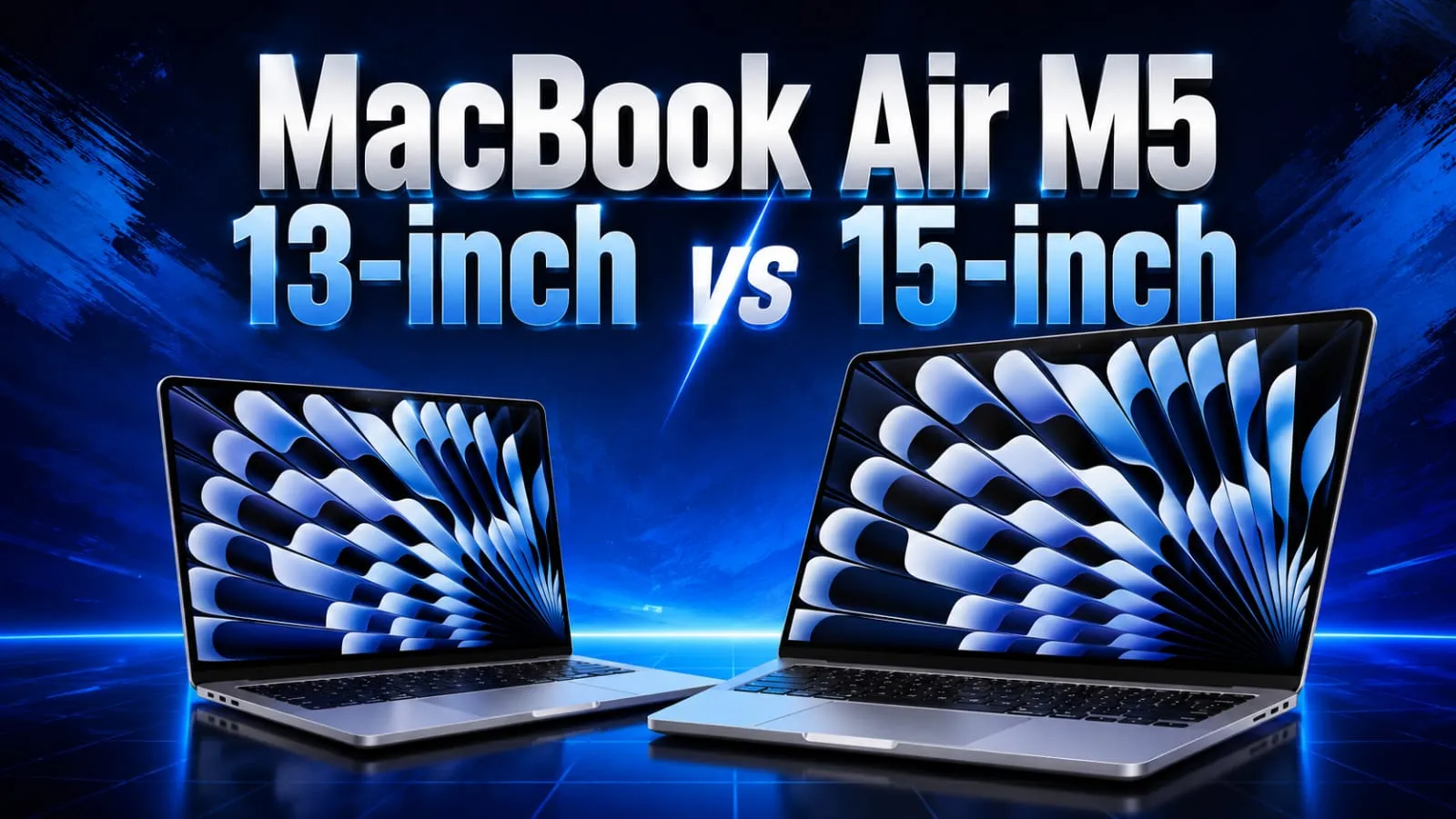
The smartphone world is witnessing a fierce battle between two powerful, compact flagships: Apple’s iPhone 17 Pro and OPPO’s Find X9s Pro. If you’re looking for a premium phone that fits comfortably in one hand without compromising on top-tier features, this head-to-head is for you. The iPhone 17 Pro sports a sleek titanium-like orange finish with its signature triple-lens arrangement, while the OPPO Find X9s Pro’s bold, large camera module comes in clear or dark casing. But looks are just the beginning. Let’s delve deeper into the design, display, performance, camera, battery, and more. So, let’s see which phone is worth your hard-earned money. Pricing and Availability iPhone 17 Pro: Priced starting at around $1,099 (approximately ₹1,09,999+ in India), reflecting its premium ecosystem. OPPO Find X9s Pro: Pricing is more competitive, with prices expected to range from ₹70,000–₹90,000 in India from the base to the top variants (recently launched in China, expected to arrive in India/global soon). iPhone vs. OPPO Feature iPhone 17 Pro OPPO Find X9s Pro Display 6.3″ Super Retina XDR OLED, 120Hz, 3000 nits 6.32″ 1.5K LTPO AMOLED, 144Hz Processor Apple A19 Pro (3nm) MediaTek Dimensity 9500 (3nm) RAM / Storage 12GB / 256GB–2TB Up to 16GB / 256GB–1TB Rear Camera Triple 48MP system 200MP + 200MP + 50MP (Hasselblad) Front Camera 18MP selfie camera 32MP Selfie Camera Video Recording Best-in-class 4K Dolby Vision Up to 8K 30fps Processor Apple A19 Pro (3nm) MediaTek Dimensity 9500 (3nm) Operating System iOS 26 (long-term updates) Android 16 + ColorOS 16 Battery ~4,200 mAh 7,025 mAh Charging Fast wired + MagSafe 80W wired + 50W wireless Build & Protection Ceramic Shield 2, IP68 IP68/IP69, ultrasonic fingerprint Price ₹1,09,999+ ₹79,990 – ₹96,000 Design and Build: A Comparison of Compact Powerhouses Both smartphones are specifically designed for users who want a compact, premium experience rather than bulky “Max” or “Ultra” models. iPhone 17 Pro: Its approximately 6.3-inch display features a refined and minimalist design, excellent button placement, excellent in-hand feel, and supports an adaptive refresh rate of up to 120Hz. It weighs approximately 200g and has a top-tier IP68 rating, providing complete protection against water and dust. OPPO Find X9s Pro: It features a flat display with uniform, ultra-thin bezels, making it a stylish device. The device is available in several vibrant and attractive colors. It features robust IP68/IP69 protection and a 3D ultrasonic in-display fingerprint scanner. Winner: For most users, both are equal—the iPhone with its robust ecosystem, and the OPPO with its trendy colors and simple design. The images perfectly illustrate how both prioritize premium materials, but with different visual signatures. Display: Brightness vs. Refresh Rate From scrolling through social media to watching videos, the display is crucial to a great user experience. iPhone 17 Pro: 6.3-inch OLED Super Retina XDR display, 1-120Hz adaptive refresh rate, 3000 nits peak brightness for vibrant colors and a great HDR experience. With a resolution of approximately 2622 x 1206 (~460 ppi), this display delivers crisp and bright visuals even outdoors. OPPO Find X9s Pro: 6.32-inch premium LTPO AMOLED screen (or similar high-quality panel) with a 144Hz refresh rate for a great experience. It comes with a 1.5K resolution (approximately 1216 x 2640) and 1800+ nits of peak brightness, which is impressive, but doesn’t offer the same sharp visibility in sunlight as Apple. Winner: The iPhone 17 Pro outperforms the other phones with its high brightness and precise color calibration – ideal for outdoor use and content creation. With a 144Hz display, the OPPO offers users ultra-smooth scrolling and a great gaming experience. Camera: Megapixels vs. Computational Magic Camera Comparison: Megapixels vs. Computational Magic The camera often plays a decisive role – and the hardware differences are clearly visible in the photo you provided. iPhone 17 Pro: It features a triple 48MP Fusion Camera system (main, ultra-wide, and telephoto) with advanced sensor-shift OIS, ProRes, Apple Log, and Pro Video features. It delivers consistency, natural color, stable output, and excellent low-light photography in all conditions. It’s also strong in video recording, making it a favorite for vlogging and boasts excellent stabilization. OPPO Find X9s Pro: It features an aggressive quad-like setup with dual 200MP sensors, a 200MP periscope (3x zoom), and a 50MP ultra-wide and color lens. This camera, tuned with Hasselblad, excels at portraits and color science, as well as zoom and high-resolution stills. Some reviews mention its excellent dynamic range and impressive macro capabilities. Winner: While this is entirely a personal preference, the iPhone 17 Pro offers better video quality and a smoother point-and-shoot experience. The OPPO Find X9s Pro’s dual 200MP camera setup offers excellent detail and excellent zoom, which will appeal to large file editors. Both excel in practical tests, but OPPO pushes hardware limits while Apple excels at software processing. Performance: Raw Power vs. Efficiency Both smartphones are capable of delivering top-tier performance. iPhone 17 Pro: This device is powered by the A19 Pro (3nm) processor, featuring a 6-core CPU, 6-core GPU, 12GB of RAM, and a powerful Neural Engine for Apple Intelligence. This device delivers stable performance, a smooth gaming experience, and optimized iOS. Benchmark tests demonstrate excellent efficiency and long-lasting smoothness. OPPO Find X9s Pro: This device’s MediaTek Dimensity 9500 (3nm), 16GB of LPDDR5X RAM, and UFS 4.1 storage elevate it to flagship level. This device scores high on AnTuTu due to its high-performing multi-core system and AI capabilities. ColorOS 16 (Android 16) offers enhanced customization, multitasking, and features like an IR blaster. Winner: Depends on your personal preference. The iPhone’s simple ecosystem, video editing, and excellent optimization set it apart, while the Oppo offers raw performance, higher RAM, and Android customization. Also Read :  iPhone 17 Complete Information – Is It Worth Buying? Battery and Charging: Endurance King? Battery and Charging: King? The difference between a great phone and a great phone for everyday use is its battery life. iPhone 17 Pro: A battery of approximately 4,000–4,250 mAh, combined with the A19 Pro’s optimizations, delivers reliable all-day backup. It offers fast wired charging (up to 50% … Read more

Huawei Mate 80 Pro: Powerful Beast You Must See

Huawei Mate 80 Pro feature image with key specifications

Are you still looking for the perfect flagship smartphone? Wait… because the Huawei Mate 80 Pro has entered the market in 2026 and changed the game! Huawei‘s Mate series has always been known for innovation, premium design, and excellent camera performance. Launched in China in November 2025 and available globally in February-March 2026, the Huawei Mate 80 Pro once again proves that the company remains a strong contender among the top smartphone brands in the flagship smartphone segment. With a Kirin 9030 Pro chipset, a massive 5750mAh battery, 100W SuperCharge, a True-to-Color XMAGE camera system, advanced AI features, and a Dual Space Ring Design – this phone strives to meet user expectations in terms of photography, performance, battery life, and durability. In 2026, if you’re looking for a high-end device that can handle everyday use, professional photography, gaming, and long battery life with ease, the Huawei Mate 80 Pro, launched in 2025, could be your top choice. In this detailed review, we’ll try our best to highlight 8 key reasons why you should buy this phone. We’ll cover every feature in detail to make your decision easier. Highlight key Stunning LTPO OLED DisplayPremium Design & BuildNext-Gen Kirin ProcessorAdvanced Camera SystemLong-Lasting BatterySuper Fast ChargingHarmonyOS Experience5G ConnectivityGaming-Ready Performance Huawei Mate 80 Pro Price in India and Availability (2026) The India launch is still awaited, but its expected price is estimated to be ₹75,990 to ₹99,999 (depending on the variant). Globally, it’s priced around $849-$1100 (₹70,000-₹95,000). Availability: Check Huawei’s official website, Amazon, Flipkart, or authorized stores. Pre-order offers have also begun in some markets. Alert: The lack of GMS support in India is an important factor – keep this in mind if you use Google services heavily. Huawei Mate 80 Pro Specifications Category Details Height, Weight & Resolution 161.85 mm, 219 g, (2832 × 1280 pixels) Display 6.75-inch LTPO OLED, 120Hz refresh rate, Rear Camera 50MP (main) + 40MP (ultra-wide) + 48MP (telephoto) Front Camera 13MP selfie camera Video Recording Up to 4K (3840×2160) Processor Kirin 9030 / 9030 Pro chipset Operating System EMUI 15 / HarmonyOS (region-based) Fingerprint Sensor In Display fingerprint sensor RAM & Storage 16GB RAM + 512GB storage Colour Black, Green, Gold, White, Cyan (Blue tone) SIM Dual Nano-SIM Battery 5750mAh (typical) Fast Charging 100W wired + 80W wireless fast charging Connectivity 4G LTE, Wi-Fi 7, Bluetooth 6.0, NFC Dust & Water Resistance IP68 + IP69 water & dust resistant Launch November 25, 2025 Price Starting Price ₹1,15,000 – ₹1,20,000/- Also Read: iPhone 17 Complete Information – Is It Worth Buying? Iconic Dual Space Ring Design and Premium Build Quality The phone’s striking Dual Space Ring rear design sets it apart from other phones. The large circular camera module, along with a secondary ring below, creates a striking and luxurious look. The phone is available in Golden, Black, White, and Green color options. Build Quality: Aluminum frame + glass-fiber reinforced plastic back. 2nd Gen Kunlun Glass – 20x better drop resistance. IP68/IP69 water and dust resistance (protected in up to 6 meters of water for a few minutes). Dimensions: Approximately 162 x 76 x 8mm, Weight: 219g – Premium and balanced feel in the hand. The flat-edged design offers a modern look and a comfortable grip. 6.75″ Flat-Edged LTPO OLED Display – A Brilliant Visual Experience 6.75″ Flat-Edged LTPO OLED Display The Huawei Mate 80 Pro features a 6.75-inch LTPO OLED display with a 1280×2832 resolution, a 1-120Hz adaptive refresh rate, and 3000 nits peak brightness. Colors are rich, blacks are deep, and scrolling is super smooth. 1440Hz PWM dimming reduces eye strain. This display is perfect for movies, gaming, and reading. 2nd-Gen Kunlun Glass protects the screen from scratches and drops. Reviews have called the display “gorgeous.” True-to-Color XMAGE Camera System – Natural and Professional Photography Camera System – Natural and Professional Photography The Mate 80 Pro’s camera system is powered by Huawei’s XMAGE imaging technology, which follows the True-to-Color philosophy. The color quality is so accurate and natural, it feels like the real world. Rear Camera Setup: The 50MP main camera (1/1.28″ RYYB, f/1.4–f/4.0 variable aperture, OIS) delivers stunning detail, natural color, and accurate colors in low-light photography. The 48MP periscope telephoto (f/2.1, 4x optical zoom, OIS, macro) delivers crystal-clear long-range photography. The 40MP ultra-wide camera (f/2.2, 120°) delivers a natural look and reduced distortion even in wide-angle shots. This new 4×4 spectral color reproduction delivers up to 43% richer and more accurate colors. Reviews say it’s one of the best camera phones in the industry, especially for portraits, landscapes, and low-light photography. The 13MP front camera delivers clear, high-quality selfies and smooth video calling. The AI ​​composition feature automatically improves framing, helping you click pro-level photos. Helps. Powerful Performance with SuperCool Dual Phase Change Cooling and Kirin 9030 Pro Powerful Performance Kirin 9030 Pro The Huawei Mate 80 Pro’s biggest strength is its superior performance. It features the first-ever SuperCool Dual Phase Change Cooling system, which ensures long-lasting performance. Keeps you cool even during multitasking. This cooling technology improves thermal conductivity by 16 times and reduces temperature rise by approximately 33%. Processor: HiSilicon Kirin 9030 Pro (6nm process) – 9-core CPU with Maleon 935 GPU. This chipset is excellent at power savings and handles multitasking, gaming, and video editing with ease. The smartphone comes with 12GB or 16GB of LPDDR5X RAM, along with 256GB to 1TB of internal storage. Multitasking is absolutely smooth in the 16GB RAM variant. In reviews, users reported that even playing heavy games (like Genshin Impact and PUBG) for long periods of time, there were no lag or heating issues. The phone also offers a very responsive and fast experience in daily use. Massive 5750mAh Battery with Ultra-Fast HUAWEI SuperCharge Massive 5750mAh Battery with Ultra-Fast HUAWEI SuperCharge The battery is the Huawei Mate 80 Pro’s biggest USP. The massive 5750mAh (rated ~5620mAh) battery comfortably lasts 1 to 1.5 days even with heavy use. Charging: 100W Wired SuperCharge – 80-90% charge in 30 minutes. 80W Wireless SuperCharge Reverse wireless charging (for charging … Read more

iPhone 18 Pro Max vs iPhone 17 Pro Max: Best or Waste?

iPhone 18 Pro Max vs iPhone 17 Pro Max: Best or Waste?

Every September, Apple fans face a common question: should they upgrade their old phones or wait? But the gap between the iPhone 17 Pro Max and the iPhone 18 Pro Max has widened even further. Apple’s competition isn’t against companies like Samsung or Google anymore – it’s against its own previous iPhone models. Both the iPhone 18 Pro Max and iPhone 17 Pro Max feature titanium builds, 6.9″ displays, and iOS 20. The 18 Pro Max features a 1.6nm chip, 10x optical zoom, and a larger 42-hour battery – while the 17 Pro Max retains its 5x zoom and 3nm processor from the previous generation. Is this upgrade worth it at $1,299? Or is buying the 17 Pro Max a smart purchase? This simple comparison gives you the answer. Let’s put this debate to rest. Price & Availability Model Starting Price (256GB) Highest Storage iPhone 17 Pro Max $1,199 2TB ($1,899) iPhone 18 Pro Max $1,299 4TB ($2,199) Pre-order: September 12, 2026 | Release: September 19, 2026 (Expected) Apple has removed the iPhone 17 Pro Max from its official store; visit platforms like Amazon or Back Market to find discounts on it. Quick Overview – For the Social Media Scroller Feature iPhone 17 Pro Max iPhone 18 Pro Max Chip A19 Pro (3nm) A20 Pro (1.6nm) Display 6.9″ LTPO, 2000 nits 6.9″ Ultra Retina XDR, 3000 nits Main Camera 48MP (f/1.78) 50MP Stacked Sensor (f/1.6) Telephoto 12MP, 5x optical 48MP Periscope, 10x optical Battery Life Up to 29h video Up to 42h video Charging USB-C 35W USB-C 50W + 25W MagSafe RAM 8GB 12GB Starting Price $1,199 $1,299 (Expected) Design & Build – Titanium vs Titanium 2.0 Both phones use Grade 5 titanium, but the iPhone 18 Pro Max’s layered composite structure makes it 15% lighter and more scratch-resistant. iPhone 17 Pro Max: 221g | Thickness: 8.25mm | Action Button iPhone 18 Pro Max: 199g | Thickness: 7.8mm | Capture Button Color Options: iPhone 17 Pro Max: Blue Titanium, Natural Titanium, Black Titanium, White Titanium. iPhone 18 Pro Max: Silver Titanium, Deep Red Titanium, Matte Black Titanium, Gold Titanium. The result: The iPhone 18 Pro Max feels thinner and more premium. Mobile photography is now upgraded with the Capture Button. Display Feature iPhone 17 Pro Max iPhone 18 Pro Max Peak HDR Brightness 2000 nits 3000 nits (Expected) Outdoor Visibility Good in sun Visible even in desert sun (Expected) Always-On Display 1Hz down to 10Hz 1Hz with wallpaper color boost (Expected) Ceramic Shield Gen 2 Gen 4 (Expected 5x drop resistance) The iPhone 17 Pro Max and iPhone 18 Pro Max both feature stunning 6.9-inch ProMotion OLED display technology. But once you go outdoors, the difference is clear – the 18 Pro Max’s new 3000-nit peak brightness pales in comparison to the 17’s 2000-nit screen. Winner: iPhone 18 Pro Max – the brightest and toughest screen ever on a phone. Performance – A20 Pro (1.6nm) vs A19 Pro (3nm) This is where the real generational shift is evident. The iPhone 17 Pro Max (A19 Pro) features a 3nm processor, 20B transistors, a 6-core CPU, a 6-core GPU, and a 16-core Neural Engine. The iPhone 18 Pro Max (A20 Pro): 1.6nm, 35B transistors, an 8-core GPU, an 8-core CPU (2+6), and a 32-core Neural Engine. Real-world differences: App opening speed: 18 Pro Max 30% faster Heavy gaming results: The 17 Pro Max drops to 54fps after 20 minutes, while the 18 Pro Max runs at a consistent 60fps AI processing (on-device Siri, image generation): Approximately 2.2x faster Geekbench 6 scores: iPhone 17 Pro Max’s Geekbench scores: Single-core 3,200, multi-core 8,400 iPhone 18 Pro Max: Single-core 4,500, multi-core 12,100 Winner: Clearly, the iPhone 18 Pro Max wins by a wide margin. Perfect for AI, gaming, and upcoming iOS updates. Camera System Apple has combined the rear sensors into a single module. iPhone 17 Pro Max: Main camera setup: 48MP lens, f/1.78, sensor-shift technology support Ultra-wide lens: 12MP resolution with f/2.2 aperture Telephoto camera: 12MP sensor, 5x optical and 25x digital zoom capability iPhone 18 Pro Max: Primary camera: 50MP stacked sensor, 40% brighter photos with f/1.6 Ultra-wide camera: 48MP (f/1.8), 4cm macro detail Telephoto camera: 48MP periscope lens, 10x optical zoom and 100x digital zoom feature Night Mode: The iPhone 18 Pro Max captures up to 2 stops brighter photos with zero shutter lag. Video performance: 8K HDR is common to both, but the 18 Pro Max benefits from 4K@60fps cinematic mode, while the 17 only offers 1080p@30fps. Winner: iPhone 18 Pro Max – The zoom alone makes the iPhone 17 feel dated. Battery and charging The A20 Pro’s impressive efficiency and large battery cell = a real battery champion. The iPhone 17 Pro Max features a 4,850mAh battery, offering 22 hours of video playback, with 35W wired charging (0-50% in just 25 minutes) and 15W MagSafe support. The iPhone 18 Pro Max features a 5,250mAh battery, offering 32 hours of video playback, with 50W wired charging (0-50% in just 15 minutes) and 25W MagSafe support. Winner: iPhone 18 Pro Max – Delivers about 30% more battery life. Software & Exclusive Features Both devices come with iOS 20, but the 18 Pro Max’s 12GB of RAM (compared to 8GB) improves performance. AI features: Instant language switching in FaceTime calls Xcode AI: Create code on-device without internet access Augmented reality-based smart dashboard in Apple CarPlay 2.0 These updates may be rolled out gradually to the iPhone 17 Pro Max via cloud-based deployments. Winner: iPhone 18 Pro Max – The next step in AI is on-device technology. Which One Should You Buy? You own… Recommendation iPhone 15 Pro Max or older Upgrade to iPhone 18 Pro Max – massive leap in battery, camera, speed. iPhone 16 Pro Max Consider upgrade if you want 10x zoom or 2-day battery. iPhone 17 Pro Max No need to upgrade unless you’re a pro photographer or gamer. The 17 is still a beast. Android user Get the 18 Pro Max – best iPhone ever made. Final Verdict The … Read more

iPhone 18 Pro Max: Powerful Upgrade or Expensive Mistake?

iPhone 18 Pro Max: Powerful Upgrade or Expensive Mistake?

The buzz surrounding the iPhone 18 has already begun, generating excitement among all iPhone users. Apple fans are already anticipating the arrival of iPhone 18 Pro and Pro Max models in September 2026, a few months from now. This time, the company may slightly alter its launch strategy, making the iPhone 18 series look slightly different from previous models. The Pro and Pro Max models could arrive by September, while users may have to wait until spring 2027 for the standard iPhone 18. A foldable iPhone is also expected to join the lineup around this time. Users who own the iPhone 17 or earlier models will likely find the iPhone 18 Pro series to offer significant upgrades. While it’s best to keep the design unchanged, significant internal changes are expected. Let’s explore in detail what’s new. iPhone 18 Pro Series – Key Highlights “Rumored” Smaller Dynamic Island (~35%) – Cleaner display experience 48MP Triple Camera Setup with Variable Aperture Advanced Apple Intelligence (On-device AI) features New C2 Modem for better 5G & satellite connectivity A20 Pro Chip (2nm Technology) – Faster performance + better efficiency New premium color: Dark Cherry (Wine Red) Bigger Battery (Up to ~5200mAh in Pro Max) Improved charging: 40W wired + 25W wireless Storage up to 2TB Split Launch Strategy (Pro models in 2026, standard in 2027) Possible Foldable iPhone launch alongside Launch Timing and Availability According to Apple’s launch tradition, the iPhone 18 Pro and Pro Max are expected to launch around September 8-15, 2026. Pre-orders are expected to begin that week, and sales will begin a few days later. I believe a foldable iPhone (also being called the iPhone Fold or Ultra) could also arrive alongside these models. Leaks suggest the standard iPhone 18 and a budget variant, the iPhone 18e, are expected to arrive in early 2027. This change is being made to allow Apple to offer more options to its users. Adding a new form factor like foldable phone technology will provide users with many new options in the future. Price in India and who should buy it? The iPhone 18 Pro is expected to start around ₹134,900-₹140,000 in India, while the Pro Max will likely be priced above ₹150,000. Storage options will start at 256GB and go up to 2TB. If you’re a heavy user and want a pro camera and better performance, the Pro Max will be a good option. For regular users, it’s best to wait for the standard iPhone 18, which is expected to be cheaper in 2027. Overall, the iPhone 18 Pro series offers substantial improvements in performance, camera, and battery life, not incremental upgrades. Technologies like the 2nm chip and variable aperture will make it future-proof. This year will be a special one for Apple with the foldable iPhone. Also Read:  iPhone 17 Complete Information – Is It Worth Buying? What’s new in design and display? The iPhone 18 Pro’s design is expected to be similar to previous models—such as a titanium frame, flat edges, and a premium look. However, the company has made some minor changes. The Dynamic Island may be slightly smaller, estimated to shrink by approximately 35%. This could be due to the shifting of some Face ID components inside the display. It’s expected that a fully under-display Face ID may also be introduced in the future, which could make the screen appear even cleaner. The Pro Max model may have a slightly thicker body (up to 8.8 mm) to accommodate the larger battery. The camera module will have a more unified look with the glass back. In terms of colors, a new Dark Cherry (deep wine red) option will be the headliner, replacing the previous Cosmic Orange. Colors like Light Blue, Silver, and Dark Gray may also be available. Black will likely be a rare sight this time around. Speaking of the display, the 6.3-inch (Pro) and 6.9-inch (Pro Max) OLED panels are expected to come with ProMotion technology and offer a 120Hz refresh rate. Brightness and color accuracy are expected to be better than before. Camera: DSLR-like Control This upgrade will be very exciting for camera lovers. The main camera’s 48MP sensor will feature variable aperture technology. This means the lens will be able to self-adjust, allowing it to capture more light in low light and avoid overexposure in bright light. This will improve low-light photos and depth of field. The ultra-wide and telephoto lenses may also be around 48MP. The front camera may receive an upgrade to 24MP, making selfies and video calls sharper. Overall, video recording and night mode will see improvements. Production has already begun, so these features are considered fairly certain. iPhone 18 Pro Max: Specifications Category Details Design 2868 × 1320 pixels Premium slim body, curved edges, ultra-thin bezels Display 6.9-inch LTPO Super Retina XDR OLED 120Hz ProMotion display Peak Brightness Up to 3500 nits (expected HDR brightness) Rear Camera 48MP primary sensor + 48MP ultra-wide lens Front Camera 24MP TrueDepth selfie camera Video Recording 8K video recording support Processor Apple A20 Pro chipset Operating System iOS 20 Battery Around 5000mAh (expected) Fast Charging 45W fast wired charging, MagSafe wireless charging, and limited reverse wireless charging Connectivity 5G, Wi-Fi 7, Bluetooth 5.4, USB-C RAM/Storage Up to 12GB RAM + 256GB / 512GB / 1TB / 2TB Gaming Performance Console-level gaming support Cooling System Improved vapor cooling technology Colors Black Titanium, Silver, Blue, Desert Titanium Water Resistance IP68 certified Expected Price in India Starting around ₹1,59,900 Performance: The Magic of the A20 Chip The biggest highlight of the iPhone 18 Pro series is its new A20 Pro chipset. This will be the first Apple chip built on TSMC’s 2nm process. The chip used in this variant is claimed to reduce power consumption and increase performance by up to 15%. Multitasking, gaming, and especially Apple Intelligence features (on-device AI) will run smoother than before. RAM can be expanded up to 12GB, which is a significant upgrade compared to previous models. The C2 modem will improve 5G speeds, … Read more

Oppo ColorOS 16.1: Impressive Yet Not Revolutionary

Oppo ColorOS 16.1: Impressive Yet Not Revolutionary

Oppo has announced the official rollout plan for its ColorOS 16.1 update, based on Android 16. This version makes the interface more attractive and responsive while also adding useful smart features that users use every day. Rollout Timeline in China Market – April 2026 Update Beta Testing: The application has been open for early access for a while and will close on April 17, 2026. I expect selected users on top flagships to receive the beta around April 21, 2026.Stable Version: First Wave (May 10 to May 20, 2026): I expect the newest and most premium devices will be covered first in this phase. Second Wave (May 21 to May 31, 2026): A wider rollout will be conducted for additional flagship, foldable, and mid-range models. The schedule mentioned in this article is for the Chinese market, and a global rollout, including India, is expected to occur a few weeks later – if leaks are to be believed, it could begin in late May or early June 2026, depending on your region and device variant. Updates tend to arrive gradually, so even after the official window opens, users need to be patient. Eligible Devices (Confirmed for Stable Rollout) Eligible Devices (Confirmed for Stable Rollout) Oppo and OnePlus have released the update for over 20 smartphones: First Wave (May 10–20): OnePlus Ace 6 Collection and OnePlus Turbo 6 Lineup Oppo’s Find X9, Find X8, and Find X8s smartphone series OnePlus 15 Series, OnePlus 13 Series Oppo Find N6 and Find N5 (Foldable) Oppo Pad 4 Pro OnePlus Tablet 2 Pro Second Wave (May 21–31): Reno 14 Pro Series, Oppo Reno 15 Series Oppo K15 Series, K13 Turbo Pro Oppo Find X7 Series Oppo Pad 5 Additional OnePlus models from previous series (final list subject to change) If your device is the latest flagship or high-end foldable, you have an even better chance of getting it in the first wave. Mid-range and older flagships are expected to arrive in the second wave or later in the global phase. Regularly check your phone’s Settings > About Phone > System Updates for updates. Also Read :  iPhone 17 Complete Information – Is It Worth Buying? What’s new in ColorOS 16.1? What’s new in ColorOS 16.1? ColorOS 16.1 isn’t just a single update—it includes a host of features that improve the lock screen and animations and make everyday use even easier. Smart Lock Screen Island / Live Activities Bar: A new pill-shaped or capsule-like area at the bottom of the lock screen that displays real-time information. It handles playback, flashlight, calls, navigation, music, time, and more in a compact, easily visible way. This design is inspired by the modern Dynamic Island concept but seamlessly integrated into ColorOS. The lock screen media player is now even better with an updated music widget: with the updated music widget, album artwork stands out more, and lyrics can be viewed directly on the lock screen or always-on screen. Smoother Animations and Transitions: The engine upgrade makes every system movement (scrolling, app switching, and interface) visible, further enhancing the user experience. Notification Improvements: Notifications are now displayed neatly on a single screen, reducing unnecessary information. Camera Interface Refresh: The camera UI has been redesigned to make modes and settings quicker and easier to access. AI and Performance Polishing: Additional AI-based features to improve smart interactions, reduce heating during extended use, and provide stable performance. Slightly increased power efficiency during extended use. Many initial impressions show how these lock screen changes make the phone feel more fresh and intelligent, without making things overly complicated. Tips for a Smooth Update Experience (Especially for Indian Users) Ensure your phone has at least 50% battery, is connected to stable Wi-Fi, and has plenty of free storage (around 5–8 GB is recommended). Back up important data before updating. Flagship users (Find X series or OnePlus 13/15) may see this soon. If you have a Reno or K-series device, expect this feature to arrive around the second wave or a little later in the global rollout. Realme smartphones with the same software may receive a parallel Realme UI update, but it may release at different times. ColorOS 16.1 continues Oppo’s move towards a cleaner, more responsive experience with thoughtfully designed smart elements. While the company is already working on future Android versions in the background, this 16.1 update delivers immediate daily improvements. Final Verdict ColorOS 16.1 is coming with a polish-focused update—it might not look like a big deal, but it has the potential to make everyday use feel smoother, smarter, and more modern. For users who prefer a clean UI and improved performance, this could definitely be a useful upgrade. It hasn’t hit the market yet. Once it does, we’ll definitely hear about its features through some means. All the information above is based on leaks. Also Read : Samsung Galaxy S26 Ultra 5G: 5000mAh battery, Snapdragon 8 Elite Gan 5, 200MP Camera. Pros of ColorOS 16.1 & Cons     Pros of ColorOS 16.1 Smoother & Faster Performance – animations, scrolling, app switching more fluidSmart Lock Screen Island – real-time updates for music, calls, timer, navigation Improved Camera UI – cleaner, faster, and premium-looking interface Better Notification Management – stacked notifications for clutter-free view Enhanced Music Lock Screen – album art + lyrics support AI Smart Features – better suggestions and system optimization Refined Premium Design – smoother transitions, transparency, modern UI   Cons of ColorOS 16.1 Minor Upgrade – not a major or revolutionary update Inspired Design – some UI elements look similar to iOS / One UI Possible Bugs – early builds may have glitches or stability issues Slow Rollout – update may arrive late on some devices Device Limitations – some features only on high-end phones Adjustment Time – new UI changes may take time to get used to Latest Post Oppo ColorOS 16.1: Impressive Yet Not Revolutionary ByThe Legend | April 21, 2026 | Read More Snapdragon 7 Gen 4 vs 7s Gen 4: Big Difference Explained! ByThe Legend | … Read more

Snapdragon 7 Gen 4 vs 7s Gen 4: Big Difference Explained!

Snapdragon 7 Gen 4 vs 7s Gen 4: Big Difference Explained!

The Snapdragon 7 series is becoming quite popular in mid-range smartphones these days. On May 15, 2025, Qualcomm introduced the Snapdragon 7 Gen 4 with a strong performance focus. A few months later, on August 19, 2025, the Snapdragon 7s Gen 4 arrived, aiming for a more balanced experience with improved battery efficiency. This chipset was first launched in the Redmi Note 15 Pro+. If you’re trying to decide which chipset is right for your next smartphone, this article will help you clear things up. We’ll look at real-world benchmarks like Geekbench and AnTuTu, as well as factors like performance, AI features, battery life, gaming, and camera capabilities. Before we get into the full comparison, let’s quickly review the benchmark scores shown in the images (Geekbench single-core: 1,252 vs. 1,231; multi-core: 3,620 vs. 3,257; AnTuTu: 1,010,864 vs. 838,402). Highlights Snapdragon 7 Gen 4 Snapdragon 7s Gen 4 Better overall performance (Geekbench & AnTuTu leader) Balanced performance for daily use Strong multi-core power (~11% faster) Slightly better power efficiency (low TDP ~5W) Powerful GPU (Adreno 722) for gaming Decent CPU for normal tasks LPDDR5X RAM + UFS 4.0 (faster speed) Good for casual gaming Wi-Fi 7 & Bluetooth 6.0 support LPDDR5 RAM + UFS 3.1 4K @ 60fps video recording 4K @ 30fps support 65% improved AI performance Wi-Fi 6E & Bluetooth 5.4 Best for gaming, editing & heavy tasks Better battery backup in light usage Key Specs of the Snapdragon 7 Gen 4 and 7s Gen 4 Both chipsets are built on the 4nm TSMC process, which offers good power efficiency. However, there are differences in architecture and clock speeds: Snapdragon 7 Gen 4: Core configuration consists of 1x 2.8 GHz Cortex-A720 (Prime), 4x 2.4 GHz Cortex-A720 (Performance), and 3x 1.8 GHz Cortex-A520 (Efficiency). GPU: Adreno 722 graphics processor. RAM support includes LPDDR5X with speeds up to 4200 MHz. Features high-speed UFS 4.0 storage. Connectivity includes Wi-Fi 7, Bluetooth 6.0, and a high-speed 5G modem. Includes triple 12-bit AI ISPs with 200MP camera support and 4K recording at 60fps. AI: Packs a 65% stronger AI engine than before, thanks to the advanced Hexagon NPU. Thermal Design Power is around 6–10 watts. Snapdragon 7s Gen 4: The processor features a configuration of 1× Cortex-A720 (2.7GHz), 3× Cortex-A720 (2.4GHz), and 4× Cortex-A520 (1.8GHz). Graphics Processor: Adreno 810 RAM Supports LPDDR5 memory running at up to 3200 MHz. Offers UFS 3.1 storage for quick data access Connectivity options include Wi-Fi 6E and Bluetooth 5.4. ISP supports up to a 200MP camera but limits video recording to 4K at 30fps. AI: Uses a Hexagon NPU, however performance is lower than the 7 Gen 4. A TDP of about 5W provides better energy efficiency. Key differences: The 7 Gen 4 has more performance cores (4+3 vs 3+4), faster RAM, better GPU clocks, UFS 4.0, and advanced connectivity. The 7s Gen 4 is slightly lighter and more efficient. Benchmark Comparison: Who’s Ahead? Benchmark Comparison: Who’s Ahead? Geekbench Score (CPU-Focused):Single-Core: Snapdragon 7 Gen 4 – 1,252 | 7s Gen 4 – 1,231 (7 Gen 4 ~1.7% ahead)Multi-Core: 3,620 vs 3,257 (7 Gen 4 ~11% better) The difference in single-core performance is small, meaning both will perform about the same for daily tasks (app opening, browsing). The 7 Gen 4 shows stronger multi-core performance, making it better for multitasking, video editing, and demanding apps. Also Read :  iPhone 17 Complete Information – Is It Worth Buying? AnTuTu Score (Overall Performance): 7 Gen 4: 1,010,864 7s Gen 4: 838,402 (7 Gen 4 ~20% ahead) AnTuTu breakdown (according to Gizmochina data): CPU: 309,273 vs 276,892 GPU: 323,797 vs 211,590 (53% better GPU in 7 Gen 4) Memory: 182,776 vs 162,373 UX: 195,019 vs 187,547 There’s a big gap in GPU scores, making the 7 Gen 4 the clear winner in gaming and graphics-heavy tasks. In some tests, the 7 Gen 4 even scores above 1.1 million in AnTuTu, while the 7s Gen 4 hovers around 850K-950K. Gaming Performance The Snapdragon 7 Gen 4 is better for gaming because:The Adreno 722 GPU has Snapdragon Elite Gaming features (Adaptive Performance Engine).Titles like BGMI, COD Mobile, and Genshin Impact run better with smooth high-FPS gameplay. Improved thermal management and higher clock speeds result in less throttling during long sessions. The 7s Gen 4 is good for light gaming and casual use, but frame drops may occur at high graphics settings. If you’re a heavy gamer, choose the 7 Gen 4. Camera, AI, and other features Both chips support 200MP cameras, but the 7 Gen 4 stands out with its improved AI-ISP and 4K@60fps video recording. The 7 Gen 4 excels in photo processing and low-light performance.AI features: The 7 Gen 4 has 65% better AI performance (generative AI, image generation, smart assistant). On-device AI tasks will be faster.Display and media: Both support HDR10+, but the 7 Gen 4’s improved GPU provides a smoother 144Hz refresh rate experience.Battery efficiency: Because of its 5W TDP, the 7s Gen 4 may offer improved battery life in everyday usage scenarios. The 7 Gen 4 may consume slightly more power during heavy use, but this is balanced by the efficient 4nm process. Which one to choose? Buying guide Choose the Snapdragon 7 Gen 4 if:You want gaming, multitasking, video editing, or AI features.Better future-proofing (Wi-Fi 7, faster RAM, UFS 4.0).Available in phones like the Nothing Phone (4a) Pro, Realme 16 Pro, Vivo V70, Honor 400 series, and more. Choose the Snapdragon 7s Gen 4 if:Budget is tight, and it’s enough for daily use (social media, browsing, light gaming).Battery performance and minimal heating are top priorities.It could appear in select variants of the Nothing Phone (4a) or similar budget smartphones. Also Read : Samsung Galaxy S26 Ultra 5G: 5000mAh battery, Snapdragon 8 Elite Gan 5, 200MP Camera. Conclusion: Benchmarks and specifications clearly indicate that the Snapdragon 7 Gen 4 is the overall winner, especially in GPU and multi-core performance. It offers a “premium mid-range” experience, while the 7s Gen 4 falls into the “value mid-range” category. If your … Read more