Tech all rounder

iQOO 16 Specs Snapdragon 8 Elite Extreme: Full Breakdown
iQOO 16 Specs Snapdragon 8 Elite Extreme: Full Breakdown

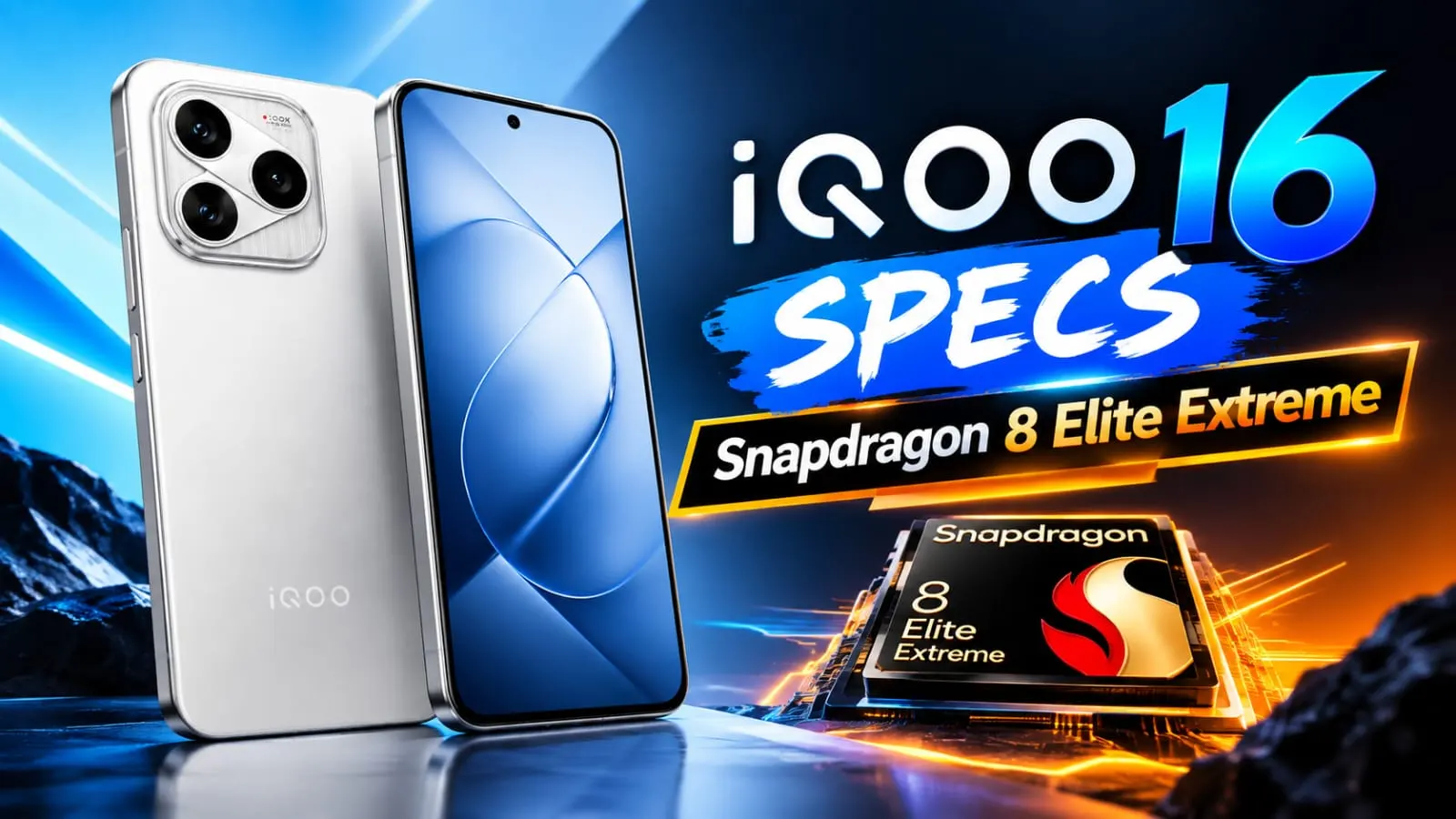
Hey buddy, if you like gaming phones, iQOO has just launched something really exciting. The iQOO 16 specs Snapdragon 8 Elite Extreme combination has officially been revealed in China, and to be honest, this phone is packed with numbers that sound almost unbelievable on paper for all of us. From my experience, gaming phones usually focus a lot on one thing, either display quality or raw power, but hardly ever manage to get both. iQOO 16 seems like it’s actually trying to do both, so let’s honestly break it down completely. iQOO 16 Announcement – What Exactly Happened? Let’s start with the basics, buddy. iQOO officially unveiled the iQOO 16 in China, positioning it as the direct successor to last year’s iQOO 15. Interestingly, this time around, iQOO decided to completely drop the separate Ultra variant. In simple words, everything the brand could offer has been packed into this single flagship model instead. Tell me the truth, skipping a separate Ultra model is a bold move, but it also means buyers do not need to feel confused choosing between multiple similar options this time. iQOO 16 6.85 Inch 165Hz AMOLED Screen – World’s First of Its Kind? This is genuinely the headline feature of this launch. The iQOO 16 6.85 inch display uses a Samsung M16 AMOLED panel with a sharp 3168 by 1440 resolution, giving it true 2K sharpness. iQOO is calling this the world’s first 2K display running at up to 165Hz, and honestly, that combination is rare even among flagship phones today. Here are some genuinely impressive display numbers: Resolution: 2K (3168 x 1440 pixels), around 510 PPI Refresh Rate: Adaptive, from 1Hz up to 165Hz Touch Sampling: Up to 5,000Hz Brightness: 2,800 nits full-screen, up to 10,000 nits peak in small areas Extras: HDR10+, Dolby Vision, DC dimming, and high-frequency PWM dimming up to 3,300Hz If you think as I do, that touch sampling rate alone genuinely explains why iQOO is targeting serious mobile gamers with this release. iQOO also claims this new panel consumes around 31% less power compared to a standard 1.5K display, which is honestly a smart trade-off between sharpness and battery efficiency. iQOO 16 Snapdragon 8 Elite Extreme Gen 6 – How Powerful Is It? Now let’s talk about the chip everyone is talking about. The iQOO 16 Snapdragon 8 Elite Extreme Gen 6 processor is built using TSMC’s advanced 2nm manufacturing process, running at speeds up to 5.01GHz. This makes the iQOO 16 one of the very first phones in the world to actually use this brand new chipset. To handle heavy tasks, iQOO paired this chip with its own custom-built Q4 gaming chip. Together, this combination reportedly scored close to 5.57 million points on AnTuTu benchmark tests. Tell me the truth: that number is genuinely massive, and it clearly shows this phone is built for serious performance, not just everyday casual use. Also Read: Can AI Tools Write High-Quality Blog Posts? Complete Guide Cooling and Performance – How Does It Handle Heat? Buddy, powerful chips usually mean more heat, so let’s see how iQOO handled that problem. The phone includes an 8,500mm² single-layer 3D vapor chamber, placed closer to the core thermal zones, backed by a three-layer graphite system totaling nearly 29,453mm² in surface area. In simple words, this is a genuinely serious cooling setup, designed specifically for long gaming sessions without major performance drops. In my experience, cooling systems like this genuinely matter more than raw chip power alone, since even the fastest processor slows down if it overheats too quickly. iQOO 16 RAM, Storage and Battery Details Let’s talk about the practical side now. RAM Options: 12GB or 16GB LPDDR5X Ultra memory Storage Options: 256GB, 512GB, or 1TB UFS 4.1 storage Battery: Massive 8,400mAh silicon-carbon battery, a jump of 1,400mAh over the previous iQOO 15 Charging: 100W wired and 40W wireless charging support Tell me the truth, an 8,400mAh battery on a flagship phone is genuinely rare, and combined with fast wired and wireless charging, this should comfortably handle long gaming marathons without battery anxiety. iQOO 16 Camera and Software Experience Now let’s quickly cover the remaining important details. The phone features a triple 50MP rear camera setup, arranged in a unique floating triangular design under the camera glass cover. On the software side, it runs Android 17 with iQOO’s own OriginOS 7 layered on top. Additionally, the phone includes useful extras like a 3D ultrasonic fingerprint scanner, Wi-Fi 7 support, NFC, an infrared blaster, USB 3.2 Gen 1, stereo speakers, and dual-axis linear motors for improved haptic feedback during gaming. iQOO 16 Launch Date Price – What About Global Availability? Here comes the honest part, buddy, since not everything is confirmed globally yet. Currently, the iQOO 16 is officially available only in China, with prices starting around 5,999 yuan, which is roughly $900, for the base 12GB plus 256GB variant. iQOO has not announced any official international release date or pricing so far. If you think like I do, based on how iQOO has handled previous launches, an India or global release could realistically happen within the next couple of months, though this remains speculation until officially confirmed. iQOO 16 vs Other Flagship Phones Comparison Specs Let’s briefly place this phone in context. Compared to its predecessor, the iQOO 15, this new model brings a sharper 2K display instead of 1.5K, a faster 165Hz refresh rate instead of 144Hz, and a significantly larger battery. Against other flagship competitors focusing purely on cameras or design, the iQOO 16 clearly positions itself as a performance- and gaming-first alternative instead. Also Read: Best AI Tools in 2026: Top 25 Free & Paid Options Final Thoughts on iQOO 16 Specs Snapdragon 8 Elite Extreme To sum it up, the iQOO 16 genuinely pushes boundaries with its 2K 165Hz display, powerful Snapdragon 8 Elite Extreme Gen 6 chip, and a massive 8,400mAh battery. It is not officially available globally yet, but for gaming enthusiasts, this phone already looks like one of … Read more
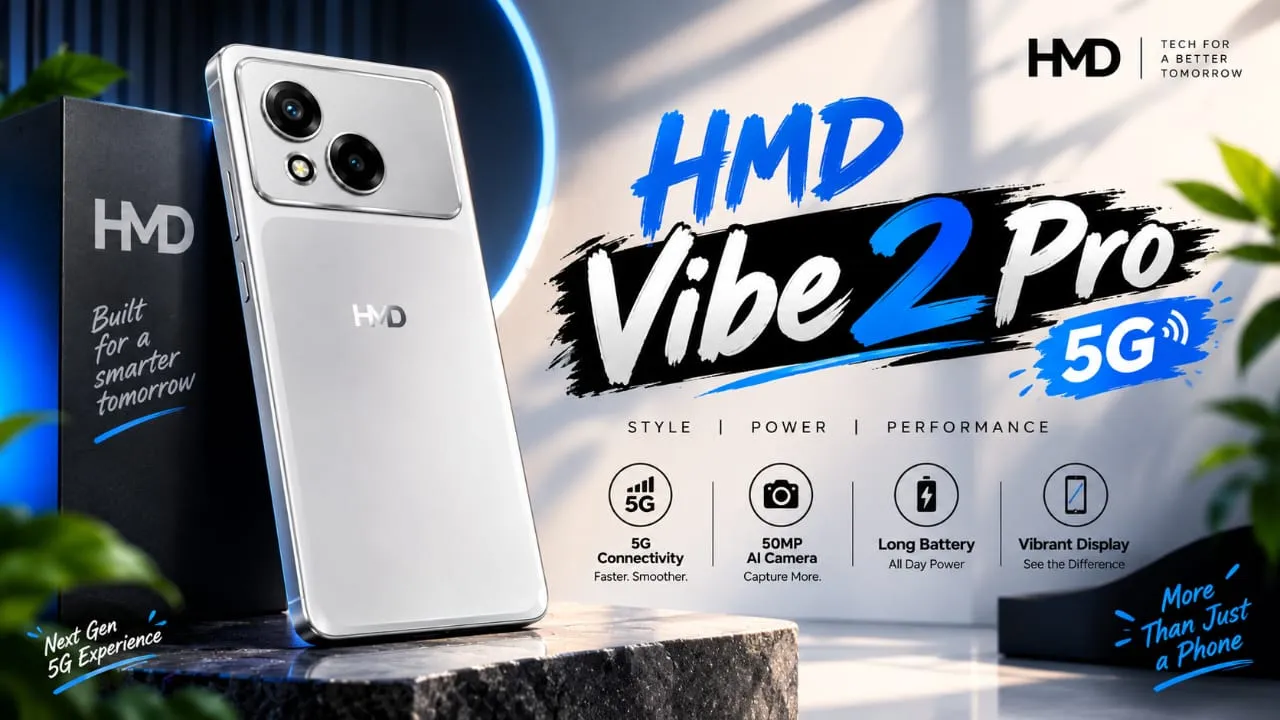
HMD Vibe 2 Pro 5G price India Launched: What’s Missing?

HMD Vibe 2 Pro 5G price India Launched: What's Missing?

Hey friend, HMD has just launched a new budget phone in India, and honestly, for the right price, it seems like a fantastic package. The HMD Vibe 2 Pro 5G price India starts at just Rs 15,999, and it really comes with a 64MP Sony camera and a massive 6,000mAh battery. In my experience, HMD is slowly making a name for itself by providing reliable basics without any unnecessary hassle. This new Vibe 2 Pro really seems like it’s continuing in that direction, so let’s honestly dive into it further. HMD Vibe 2 Pro 5G Price India – What Will You Actually Pay? Let’s start with the numbers, since that is what most of us check first. The HMD Vibe 2 Pro 5G price in India is set at Rs 15,999 for the 6GB RAM and 128GB storage variant, while the 8GB RAM version costs Rs 17,999. However, as part of a limited launch offer, both variants are currently available at a discounted price of Rs 14,999 and Rs 16,999, respectively. 6GB + 128GB: Rs 15,999 (Rs 14,999 launch offer) 8GB + 128GB: Rs 17,999 (Rs 16,999 launch offer) Online availability: Available on Flipkart during the Big Billion Days sale. Tell me the truth, under sixteen thousand rupees for a phone with a Sony camera sensor does sound like a genuinely fair deal. HMD Vibe 2 Pro 5G Specs India – Display and Performance Display Quality The phone comes with a 6.78-inch FHD+ display, running at a smooth 120Hz refresh rate. In my experience, this combination genuinely makes everyday scrolling, watching videos, and even light gaming feel noticeably smoother compared to standard 60Hz budget phones. Processor and Software Under the hood, the HMD Vibe 2 Pro 5G runs on the MediaTek Dimensity 6300 chipset, paired with Android 16 out of the box. HMD has committed to two years of security updates, which is honestly on the lower side compared to some competitors, so keep that in mind if long-term software support matters to you. The phone also includes Indus AI, built by Sarvam, offering on-device AI assistance across more than 22 Indian languages. This can genuinely help with drafting content, answering questions, and planning tasks directly in your preferred regional language. HMD Vibe 2 Pro 5G 64MP Camera – Is It Actually Good? This is honestly the biggest highlight of this launch, buddy. The HMD Vibe 2 Pro 5G 64MP camera setup uses a 64-megapixel Sony IMX682 primary sensor, paired with a 2MP macro lens for close-up shots. The camera module has a raised, square-shaped design with two large circular rings and a circular LED flash placed below them. There’s a 13MP camera on the front, which improves selfies and video calling. If you think as I do, having a genuine Sony sensor at this price point is a meaningful upgrade, since many budget phones use cheaper, less reliable camera sensors just to hit high megapixel numbers on paper. However, buddy, I want to be fair here. A good sensor alone does not guarantee great low-light photography, so daylight shots should look sharp, but night mode results may need some patience. HMD Vibe 2 Pro 5G 6000mAh Battery – Will It Last All Day? Now let’s talk about something genuinely practical for daily use. The HMD Vibe 2 Pro 5G 6000mAh battery comes with 33W wired fast charging support. A battery this large should comfortably get most users through a full day, even with moderate video streaming, gaming, and social media use. Tell me the truth, 33W charging is not blazing fast by today’s standards, but it strikes a decent balance between charging speed and battery longevity over time. Other Useful Features Worth Knowing Let’s quickly go through some extra features that add real value here. Audio: Dual stereo speakers along with a 3.5mm headphone jack, still intact Connectivity: 5G, Wi-Fi, Bluetooth, and USB Type-C Safety: Built-in support for the Sanchar Saathi Safety app AI Assistance: Indus AI supporting more than 22 Indian languages In my experience, that headphone jack alone will make a lot of buyers happy, since many phones nowadays remove it entirely, forcing people to rely on adapters or wireless earphones. Also Read: Can AI Tools Write High-Quality Blog Posts? Complete Guide HMD Vibe 2 Pro 5G vs Competitors India Price Comparison Let’s be honest about where this phone stands against its rivals. At this price range, most competitors either offer a weaker camera sensor or skip 5G entirely to keep costs down. The Vibe 2 Pro genuinely stands out by combining a proper Sony camera sensor, a large battery, and 5G connectivity together, without crossing the Rs 18,000 mark. However, the two-year software update commitment is noticeably shorter than what some competing brands offer in this same segment, so that is a fair trade-off worth considering before buying. Should You Buy the HMD Vibe 2 Pro 5G? If you think as I do, this phone makes genuine sense for someone who wants a reliable camera, strong battery life, and useful AI features, without spending too much money. However, if long-term software updates or flagship-level camera performance matter most to you, it might be worth comparing this against other options before finalizing your decision. Final Thoughts In short, the HMD Vibe 2 Pro 5G really offers a solid mix of a 64MP Sony camera, smooth 120Hz display, big 6,000mAh battery, and useful AI features, all at an affordable price. It’s not perfect, especially with limited software update support, but for everyday use, it seems like a smart and reliable budget option for the user. Now, let’s talk about you. Are you planning to buy this in the Big Billion Days sale, or are you currently comparing it with other budget 5G smartphones? Disclaimer: This article is presented based on the facts and information available at the time. Prices, offers, and specifications may change. Please check HMD’s official website or Flipkart for the latest and most accurate details before making a purchase. Latest Post Vivo V80 Price … Read more

Vivo V80 Price India October: Great Specs, Real Cost

Vivo V80 Price India October: Great Specs, Real Cost

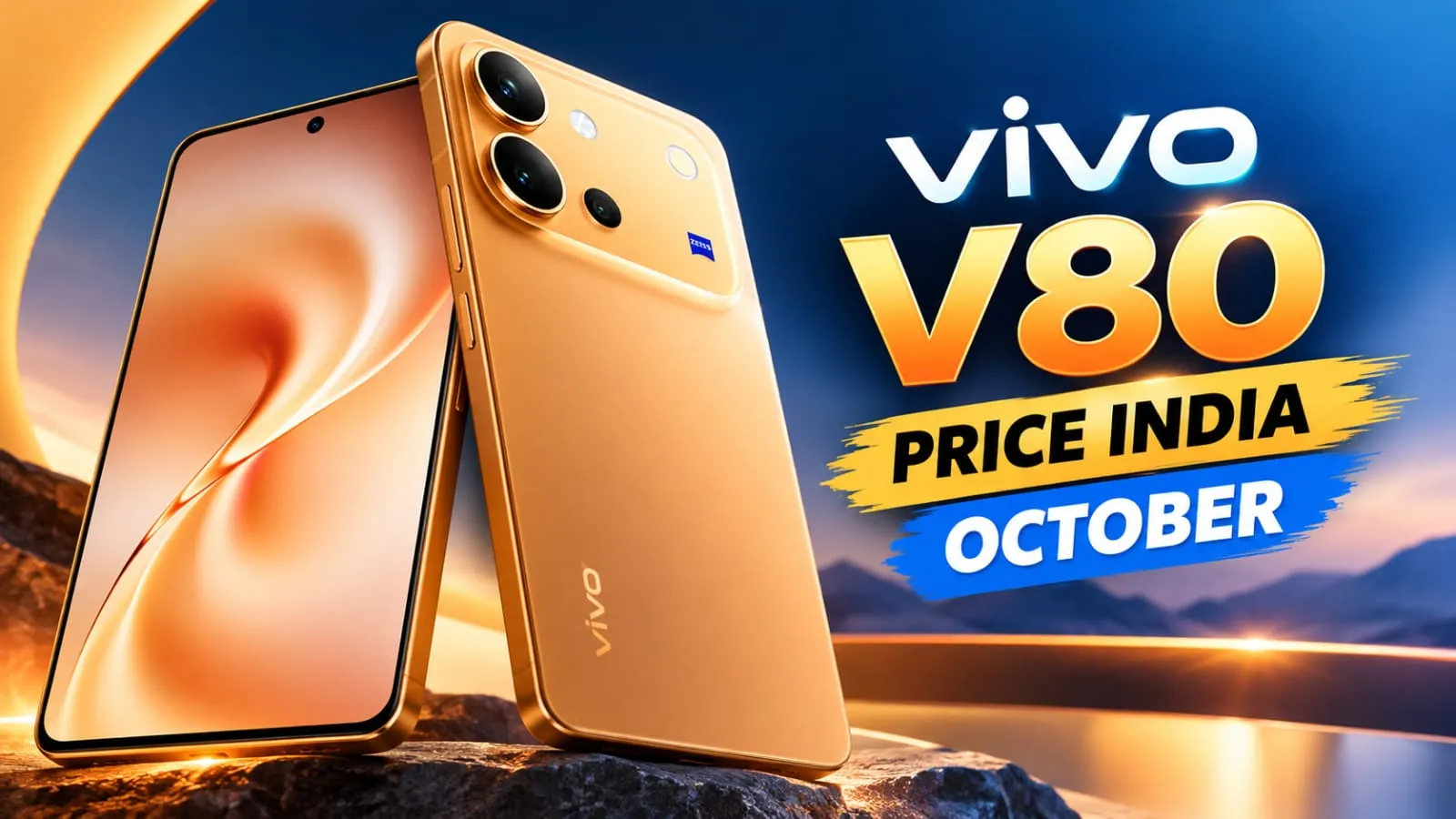
Hey buddy, if you are also waiting for the next Vivo V-series phone like me, the wait is almost over now. The Vivo V80 price India October buzz has picked up big time, with fresh leaks giving us a clearer picture of what to expect. From my experience, talks about the launch of Vivo phones usually pick up a week or two before the actual event, and that’s exactly what’s happening right now. So let’s honestly look at all the confirmed and leaked information so far, without any hype. Vivo V80 Launch Date India – When Is It Actually Arriving? Tell me the truth, dates around phone launches can get confusing with so many rumors floating around. While some early reports pointed toward an October 8 launch, Vivo has officially confirmed through its own social media announcement that the Vivo V80 India launch will happen on October 6, 2026, at 12:00 PM IST. So if you had October 8 marked on your calendar, buddy, go ahead and correct that to October 6. Official Launch Date: October 6, 2026 Time: 12:00 PM IST Where to Buy: Vivo India E-Store, Amazon India, Flipkart, and offline retail stores Vivo V80 Price India October – What Will It Actually Cost? Talking about the price, there hasn’t been any official information from Vivo yet. The company hasn’t announced the phone’s price. However, tipster Ahsan Kharbai claims the box MRP for the 8GB RAM and 128GB storage variant could be listed at Rs 1,19,999. Buddy, do not panic seeing that number, since the MRP printed on boxes is almost always much higher than what you will actually pay. The same tipster suggests the actual selling price will likely start above Rs 60,000. For comparison, the earlier Vivo V70 launched at Rs 45,999 for its 8GB plus 256GB variant, so this year’s price jump does look noticeable. If you think as I do, this means the phone might land close to, or possibly above, the Rs 65,000 mark, rather than comfortably under it. So it is honestly better to treat that number as an estimate rather than a guarantee until Vivo confirms it officially. Vivo V80 Specifications – What’s Confirmed So Far? Let’s move to the hardware side now, since Vivo has already revealed quite a bit. Display and Design The Vivo V80 will feature a 6.59-inch 1.5K OLED display with a smooth 144Hz refresh rate and peak local brightness reaching up to 5,000 nits. That kind of brightness should make outdoor visibility genuinely excellent, even under harsh sunlight. Battery and Charging The phone will pack a large 7,200mAh battery, supporting 90W FlashCharge fast charging. Vivo claims this battery can deliver up to 14 hours of continuous navigation or around 39.5 hours of local video playback. Tell me the truth, a battery this size paired with fast charging genuinely sounds like a strong combination for heavy daily users. Camera Setup The Vivo V80 features continue the brand’s partnership with Zeiss, bringing co-engineered optics once again. It is expected to include a 50MP main camera, along with support for 4K cinematic video recording and AI-powered imaging tools. Some early reports also mention 10x portrait zoom capability, which could genuinely help with detailed close-up portraits from a distance. Processor and Software Under the hood, the phone is expected to run on the Snapdragon 7 Gen 4 chipset, paired with Vivo’s latest OriginOS software on top of Android. This should offer smooth day to day performance, though it is not aimed at heavy gaming flagships. Vivo V80 Colour Options and Availability Now let’s talk about how it will look and where you can grab one. The phone is confirmed to launch in three colours: Horizon Blue, Sunrise Anthem, and Stellar Black. Once officially launched, it will be available through Vivo’s own India website, along with Amazon India, Flipkart, and offline retail stores across the country. In my experience, having a phone available across so many platforms on day one usually means Vivo is expecting strong demand for this model. Also Read: Can AI Tools Write High-Quality Blog Posts? Complete Guide Should You Wait for Vivo V80, or Buy Something Now? If you think as I do, this really depends on what you personally need most. If a big battery, a bright high refresh rate display, and Zeiss-backed cameras are important to you, waiting a few more days for the official Vivo V80 India launch genuinely makes sense. However, if the price ends up crossing Rs 65,000 as some leaks suggest, it might be worth comparing it honestly against other phones already available in that same price bracket, especially since the exact pricing is still unconfirmed. Final Thoughts on Vivo V80 Price India October To sum it up honestly, the Vivo V80 is shaping up to be a strong camera- and battery-focused phone, with a 7,200mAh battery, 144Hz display, and Zeiss cameras leading the show. However, buddy, the pricing story is not fully settled yet, and current leaks suggest it may land above Rs 60,000, possibly closer to or beyond Rs 65,000, rather than comfortably under that mark. Now let’s talk about you. Are you planning to grab this one on launch day, or will you wait for real reviews first? Disclaimer: This article is based on leaks, tipster reports, and publicly available information at the time of writing. The launch date, price, and specifications are not final and may change. Please check Vivo’s official website or authorized retailers for the latest and most accurate details before making a purchase. Latest Post Vivo V80 Price India October: Great Specs, Real Cost Honor Magic 9 Super Edition: Huge Battery, Real Trade-off itel Zeno 300: Budget Winner or Weak Choice? Motorola Signature 27 GrapheneOS: Strong Specs, Fair Wait ANARC 2 Smartwatch: Great Upgrade, Honest Review Earbuds boAt CREST AI: Smart Feature, Honest Concern in 2026 Best boAt TWS Earbuds for Music, Calls and Everyday Listening AirPods 5 Launched in India with ANC and Siri AI: Price and Features  Laptops Best Laptops Under … Read more

Honor Magic 9 Super Edition: Huge Battery, Real Trade-off

Honor Magic 9 Super Edition: Huge Battery, Real Trade-off

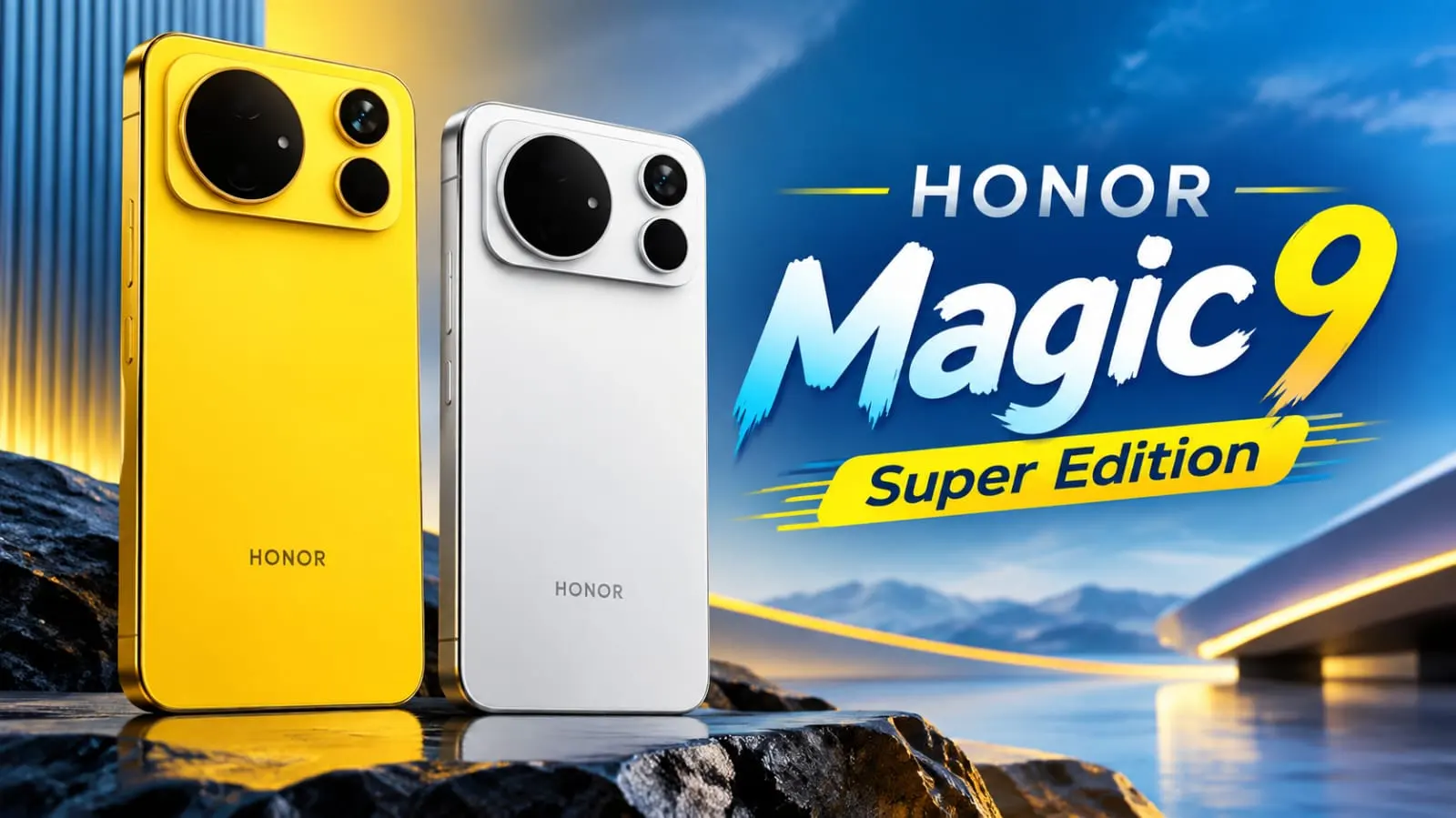
Hey friend, have you ever thought about what if your phone’s battery could last for nearly two days on a single charge without any hassle? Honor has heard this wish. The Honor Magic 9 Super Edition has been launched in China, featuring a massive 11,000mAh battery and a 200MP main camera, and honestly, this is one of the most interesting phones of the season. In my experience, phones with big batteries usually look bulky and a bit ugly. So let’s see what Honor has actually done here, what’s good, and what you need to think about before getting excited. Honor Magic 9 Super Edition Price in China – How Much Does It Cost? Let’s start with the money part first. The Honor Magic 9 Super Edition price in China starts at around CNY 4,499 to 4,500 for the base 12GB RAM and 256GB storage model. That is roughly Rs 57,400 in Indian money, or close to $670. Higher versions go up to 16GB RAM and 1TB storage, and pre-orders have already started in China. Base Price: About CNY 4,500 (around Rs 57,400) RAM and Storage: From 12GB + 256GB up to 16GB + 1TB Colours: Curtain Black, Opening White, Olive Green, and Popcorn Yellow Status: Pre-orders open in China Tell me the truth: it’s not cheap, but for a phone with this kind of battery, it does not feel crazy either. Honor Magic 9 Super Edition Launch – What Happened? Now let’s talk about how it arrived, buddy. Honor revealed this phone at its Magic Grand Ceremony in Beijing, together with the standard Magic 9 and the Magic 9 Pro Max. The Super Edition is a boosted version of the regular model, and it carries the biggest battery ever seen on a Magic series phone. The Pro Max is the camera-first phone in this family. The Super Edition, on the other hand, focuses on battery and cooling. So they are made for different types of people. Honor Magic 9 Super Edition 11000mAh Battery Specifications. This is the star of the show, so let’s give it proper space. The Honor Magic 9 Super Edition 11000mAh battery supports 80W wired charging and 50W wireless charging. In simple words, you get a huge battery, and you can still charge it fairly fast, even without a cable. If you think as I do, wireless charging on such a big battery is a very nice bonus, since most big-battery phones skip it. Fan Cooling for Long Gaming Here is something unusual, buddy. The phone also includes a small built-in fan that can spin up to 30,000rpm. It helps keep the phone cool during heavy gaming or long video recording. Honestly, a fan inside a phone sounds strange, but for gamers, it can help the chip stay fast for longer without getting too hot. Also Read: Can AI Tools Write High-Quality Blog Posts? Complete Guide Honor Magic 9 Super Edition 200MP Camera – Is It Any Good? Let’s talk about photos now. The Honor Magic 9 Super Edition 200MP camera setup has three cameras on the back: Main camera: 200MP Samsung HP5 sensor Telephoto camera: 50MP Sony LYTIA 500 with 3x optical zoom Ultra-wide camera: 12MP Front camera: 50MP The phone can record 4K video at up to 120fps from the back camera, and it uses Honor’s own H1 imaging chip to help with photo processing. It also supports Honor’s G200 teleconverter accessory, which helps you zoom in even further. However, buddy, I want to be honest here. This phone has only one 200MP camera, while the Pro Max has two. So if pure camera quality is your top priority, the Pro Max is the better choice. Display and Performance Details You Should Know Now let’s check the screen and speed. The phone has a 6.81-inch flat OLED display with 2788 x 1280 resolution and a 120Hz refresh rate. It reaches 2,000 nits of peak brightness overall and up to 10,000 nits locally in small bright areas, which should make it easy to read outdoors. It also uses 3840Hz PWM dimming, which is meant to reduce eye strain at low brightness. Before launch, some reports mentioned a 165Hz refresh rate, but the launch details point to 120Hz, so treat 120Hz as the number to trust. For performance, it runs on the Snapdragon 8 Elite Gen 5 chipset. That is last year’s top chip. It is still very powerful, but the Pro Max uses the newer Gen 6 chip, so the Super Edition is a step behind there. Honor Magic 9 Super Edition vs Magic 9 and Pro Max Let’s do a quick comparison so you understand where this phone fits. Magic 9 Super Edition: 11,000mAh battery, one 200MP camera, fan cooling, starts around CNY 4,500 Magic 9: 8,000mAh battery, dual 200MP cameras, starts at CNY 4,999 Magic 9 Pro Max: 8,800mAh battery, dual 200MP cameras, newest chip, starts at CNY 6,499 Tell me the truth, it is interesting that the Super Edition costs less than the regular Magic 9, since you give up a second 200MP camera in exchange for a much bigger battery. Will Honor Magic 9 Super Edition Come to India or the USA? This is the question many of you are probably asking, buddy. Right now, there is no confirmation for India, the USA, or other global markets. The price and details we have are for China only. In my experience, Honor sometimes launches its flagship phones globally a few months later, but sometimes special editions stay China-only, so we should wait for an official announcement. Should You Be Excited About This Phone? If you think as I do, this phone is perfect for heavy users who hate charging, like gamers, travelers, or people who record lots of video. On the other hand, if you want the best possible camera and the newest chip, you should look at the Pro Max instead. Also, since the phone is not officially confirmed for India or the USA, buying it may mean importing it, which … Read more

itel Zeno 300: Budget Winner or Weak Choice?

itel Zeno 300: Budget Winner or Weak Choice?

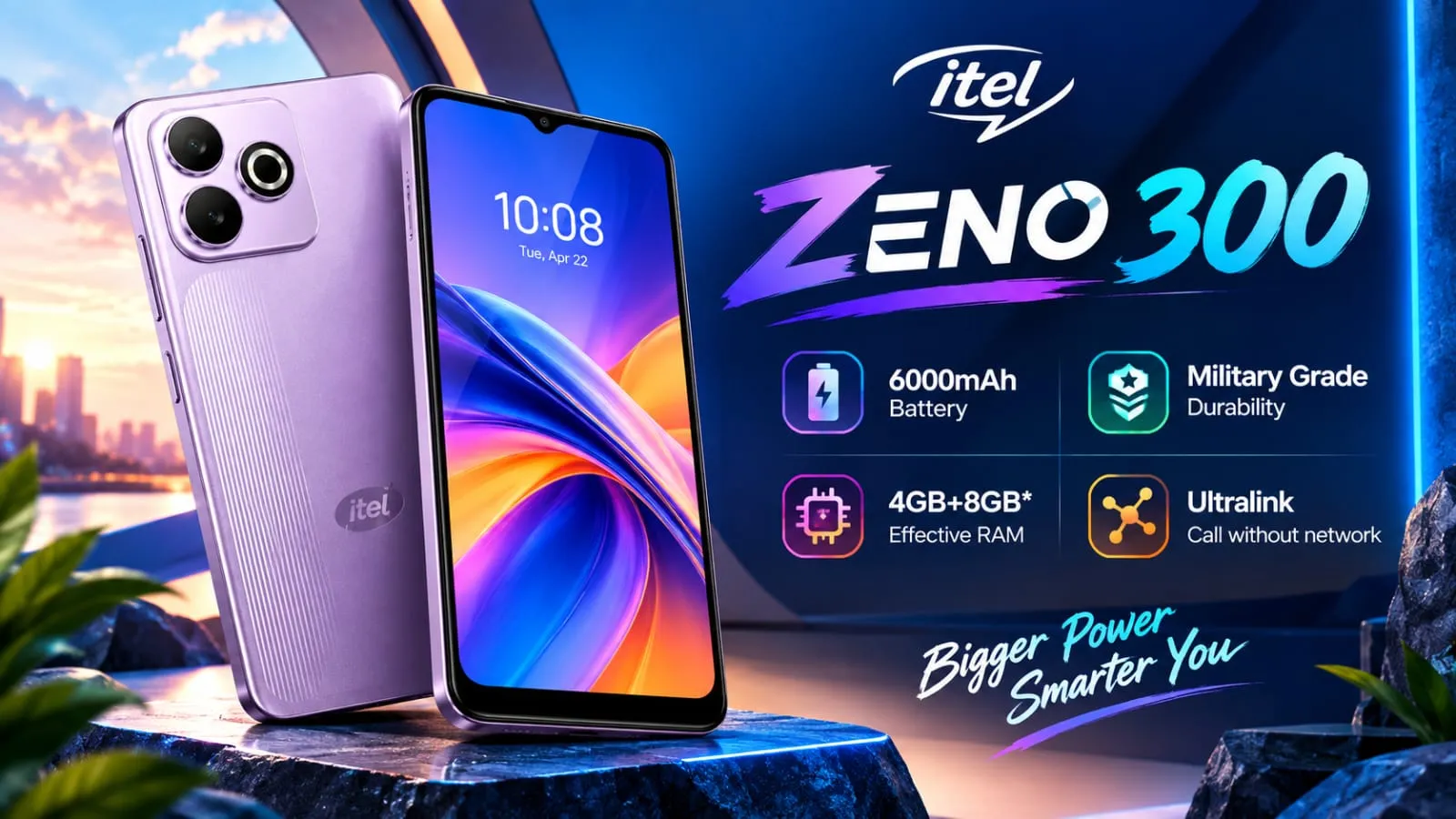
Hey friend, are you looking for a phone that costs around ten thousand rupees or less and lasts a long time on a single charge? Then the itel Zeno 300 might catch your eye. It was launched in India for 9,649 rupees, and its biggest attraction is its huge 6,000mAh battery. In my experience, budget phones often make a lot of compromises with their features. So let’s honestly see what this phone gives you and where it falls short. itel Zeno 300 Full Specifications and Price Overview Now let’s look at the main numbers in one place, buddy. Display: 6.56-inch HD+ IPS LCD with 90Hz refresh rate Processor: Unisoc T7100 octa-core chipset RAM and Storage: 4GB RAM, 64GB storage, plus up to 8GB virtual RAM Battery: 6,000mAh with 18W charging Software: Android 16 Go Edition Rear Camera: 8MP single camera Front Camera: 5MP Network: 4G only If you think like I do, this list tells you clearly that the phone is made for simple daily use, not for heavy tasks. itel Zeno 300 Price in India – What Will You Pay? Let’s start with the money part, since that matters most in this segment. The itel Zeno 300 price is Rs 9,649 for the only available variant, which has 4GB RAM and 64GB storage. It is already on sale on Amazon India, so you do not need to wait for any special date. Price: Rs 9,649 Variant: 4GB RAM + 64GB storage Colours: Silver Mist, Classic Black, and Lavender Purple Where to buy: Amazon India Launch offer: 100-day free screen replacement Tell me the truth, that free screen replacement offer is a nice bonus for a phone at this price, especially if you tend to drop your phone like I do. Is the 6.56-inch Display Phone Good Enough? Let’s talk about the screen, because you will look at it all day. The 6.56 inch display phone category is interesting here, since most budget phones today go for 6.75 inches or bigger. A slightly smaller screen can feel easier to hold, especially if you have small hands and hate stretching your thumb to the top corner. The panel has HD+ resolution of 720 x 1612 pixels and a 90Hz refresh rate, which makes scrolling smoother than the old 60Hz screens found in many cheaper phones. However, HD+ means it is not very sharp, so do not expect crisp text as you get on a full HD display. itel Zeno 300 Battery Life – Does 6,000mAh Really Help? This is where the phone tries to shine, buddy. A 6,000mAh battery phone at under Rs 10,000 is a genuinely strong selling point. In my experience, a battery this big usually gets you through a full day and often into the next one, if you only use WhatsApp, YouTube, and calls. The phone supports 18W charging. That is not super fast, so filling the big battery will take some time, but it is still better than the slow 10W charging on older itel phones. Honestly, if long battery backup is your top need, this phone makes a lot of sense for its price. Also Read: Can AI Tools Write High-Quality Blog Posts? Complete Guide itel Zeno 300 Performance With Unisoc T7100 Now let’s be honest about speed. The Unisoc T7100 phone setup runs on an octa-core chip with 4G support. It should handle chatting, video watching, web browsing, UPI payments, and light 2D games without much trouble. However, buddy, do not expect smooth performance in heavy games. This chip is made for basic tasks, so demanding games will need very low settings, and you may notice slowdowns. The phone runs Android 16 Go Edition, which is a lighter version of Android built to work smoothly on low-power hardware. The extra 8GB virtual RAM can help with multitasking, giving up to 12GB effective RAM, though virtual RAM is never as fast as real RAM. itel Zeno 300 Camera Specifications – Should You Expect Much? Let me be very direct here, since honesty matters. The itel Zeno 300 camera specifications are simple. You get a single 8MP rear camera with an f/2.0 aperture and a 5MP front camera. In daylight, photos should look fine for social media, but low-light shots will likely look soft and noisy. If photography is important to you, this is not the phone to pick. In this price range, that is very normal, so I would not call it a big surprise. Extra Features That Make This Phone Useful Now here is the fun part, because itel has added a few practical things. MIL-STD-810H certification for better durability against drops and daily shocks DTS sound for better audio quality on supported content UltraLink feature to stay connected when the normal mobile network is not available Side-mounted fingerprint sensor plus face unlock. Memory card slot, 3.5mm headphone jack, and IR blaster In my experience, that headphone jack and memory card slot are things many people still want, even though newer phones keep removing them. The IR blaster is also handy if you like controlling your TV or AC with your phone. itel Zeno 300 vs Other Budget Phones Let’s compare it with the competition, buddy. For this price, one close rival is the Lava Bold N2. That phone is also 4G and has weaker specs in areas like processor, software version, and battery. However, it does offer an IP rating for dust and water protection, which the itel Zeno 300 lacks. So if water resistance matters to you, keep that in mind. On the other hand, if battery size and newer Android software matter more, the Zeno 300 looks like the stronger choice. Who Should Buy the itel Zeno 300? If you think as I do, this phone suits a few types of people well. Parents or elders who want a simple phone with long battery life Students who need a basic phone for calls, classes, and videos Anyone looking for a backup phone under Rs 10,000 People who value a headphone … Read more

Motorola Signature 27 GrapheneOS: Strong Specs, Fair Wait

Motorola Signature 27 GrapheneOS: Strong Specs, Fair Wait

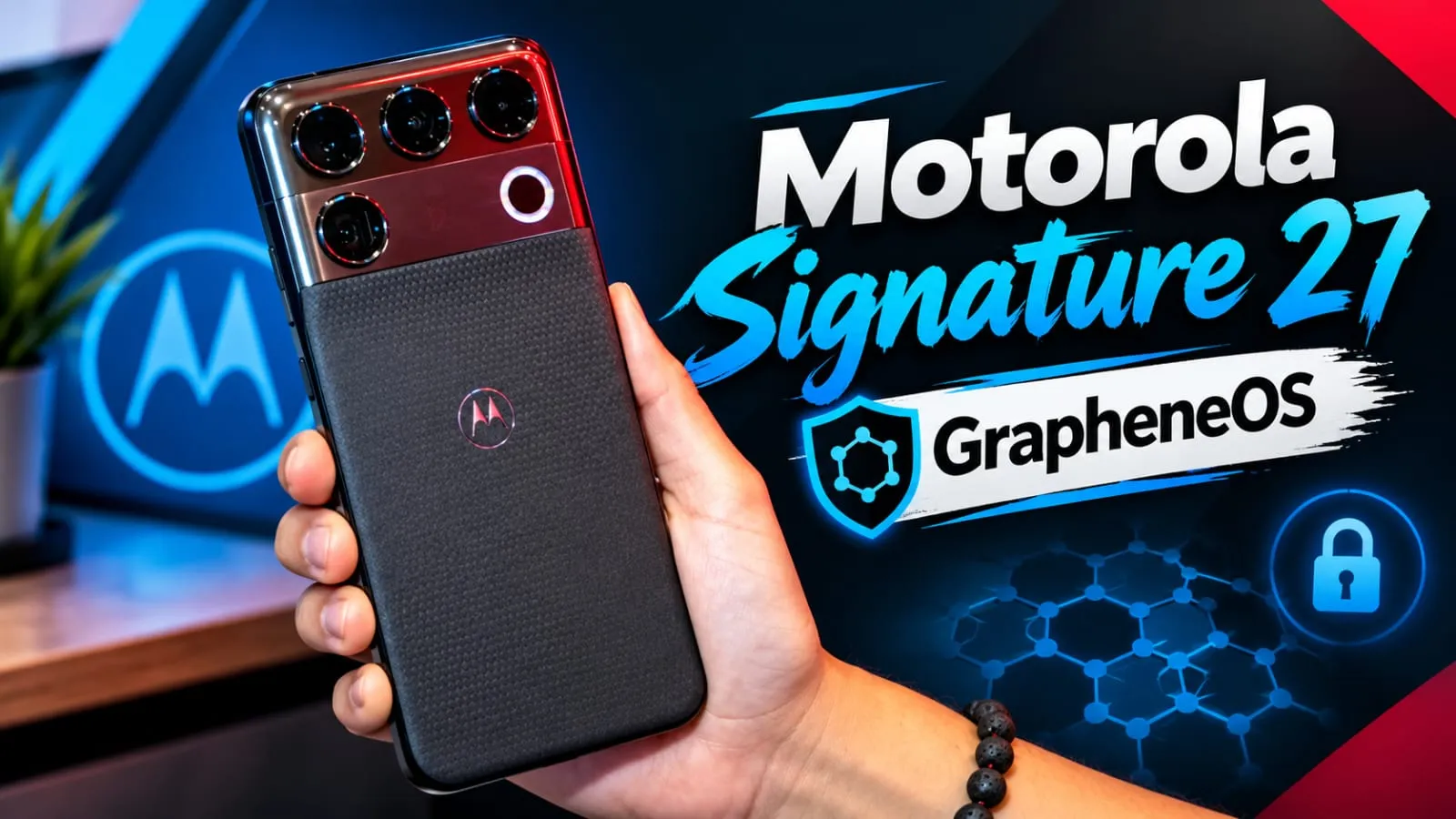
Hey friend, if you’re worried about your smartphone’s privacy, this news is really going to be big. For years, if you wanted to use GrapheneOS, you basically only had one option, and that was Google Pixel. Now, this situation finally seems to be changing, because Motorola Signature 27 GrapheneOS support has now been officially confirmed. In my experience, privacy-focused users often feel pretty stuck when choosing hardware, because strong privacy software usually meant limited phone options. This announcement really breaks that pattern for the first time. What Exactly Was Announced About Motorola Signature 27 GrapheneOS Support? Let’s get straight to the point, buddy. Following this week’s unveiling of the phone at the Qualcomm Snapdragon Tech Summit, GrapheneOS officially confirmed that the Motorola Signature 27 will be its first supported Motorola device. This confirmation came directly from GrapheneOS’s own account, responding to a user question about whether the Signature 27 would run the software. Tell me the truth: this is a genuinely big deal, since GrapheneOS has stuck exclusively to Pixel phones for years, mainly because most other Android phones simply did not meet its strict hardware requirements. Why Did GrapheneOS Choose Motorola Signature 27 First? Now let’s talk about the “why” behind this decision. GrapheneOS has always been picky about hardware, and for good reason. The project requires things like an unlockable bootloader, hardware memory tagging, strong secure element integration, and a genuine commitment to long-term software updates. The Motorola Signature 27 checks these boxes comfortably. It runs on Qualcomm’s brand-new Snapdragon 8 Elite Extreme Gen 6 chipset, built on a 2nm process. Alongside that, Motorola has promised seven major OS upgrades and up to seven years of security updates, which genuinely matches what GrapheneOS demands from its supported devices. If you think as I do, this partnership makes perfect sense, since GrapheneOS previously explained that only Qualcomm’s top-tier flagship chips currently offer the security features needed for proper support. Motorola Signature 27 Privacy Features – What Changes With GrapheneOS? This is honestly the most important part for privacy-focused buyers. GrapheneOS is built on top of the Android Open Source Project, but it strips away Google’s default tracking and telemetry. Once installed, the phone does not come with Google Mobile Services by default, though it can still run regular Android apps. Here is what makes this genuinely appealing: Reduced tracking from apps and websites Optional, sandboxed access to Google Play services, only if you choose to enable it Stronger app permission controls compared to standard Android. Ability to block network access individually for each app In my experience, that last feature alone is genuinely powerful, since it lets you stop specific apps from silently sending data in the background, something regular Android does not easily allow. Also Read: Moto Pad 70 Goes Official: 5G, AI Tools and 10,200mAh Battery.  Motorola Signature 27 First Non-Pixel GrapheneOS Phone – Why Does This Matter? Buddy, this title alone tells you how significant this moment is. Since its inception, GrapheneOS has remained tightly anchored to Google’s Pixel lineup, mainly because Pixel phones offered predictable security components like the Titan M2 chip and reliable long-term firmware support. Now, for the very first time, privacy-focused users get a genuine alternative outside Google’s own hardware ecosystem. This partnership between Motorola and GrapheneOS was actually announced earlier this year, back in March 2026, though the specific supported model remained unknown until this week’s Signature 27 unveiling finally answered that question. What Are the Motorola Signature 27 Specifications Besides GrapheneOS? Now let’s talk about the phone itself, since good software still needs solid hardware to shine. Processor: Snapdragon 8 Elite Extreme Gen 6, built on TSMC’s 2nm process Camera: 200MP periscope telephoto lens paired with an updated 50MP main sensor Audio: Bang & Olufsen-tuned sound system Software Support: Seven OS upgrades and up to seven years of security patches Tell me the truth, this hardware genuinely sounds flagship-worthy, even before factoring in the GrapheneOS privacy angle. When Will Motorola Signature 27 Actually Launch? Here comes the part where I have to be honest, buddy, since not everything is confirmed yet. Motorola has not announced an exact release date or pricing for the Signature 27. The company’s North American product page currently mentions a November arrival, without specifying an exact day. Since pricing remains unannounced, it is currently difficult to directly compare this phone against existing GrapheneOS-supported Pixel models. In my experience, waiting a little longer for official pricing details is genuinely worth it before making any purchase decisions here. How GrapheneOS Will Work on Motorola Signature 27 Going Forward Interestingly, this rollout does not stop at just one phone. GrapheneOS has mentioned that Motorola’s foldable devices, specifically future Razr Fold and Razr Ultra models, came close to qualifying for support as well, and are expected to join later. The team has also expressed interest in eventually supporting more affordable Motorola devices, though that depends on Qualcomm extending stronger security features to non-flagship chipsets too. If you think like I do, starting with a high-end flagship first makes complete sense, since it lets GrapheneOS thoroughly test compatibility before expanding to a wider range of devices. Should Privacy-Focused Buyers Get Excited About This? Honestly, buddy, yes, but with a little patience. This announcement genuinely gives privacy-conscious users a real alternative to Pixel phones for the first time in years. However, since pricing and the exact launch date remain unclear, it is still too early to fully commit until more official details arrive. Also Read: Redmi Note 17 Pro Max vs Motorola Edge 70 Pro+: Fair Fight Final Thoughts on Motorola Signature 27 GrapheneOS To sum it up, the Motorola Signature 27 GrapheneOS partnership marks a genuinely historic shift for privacy-focused Android users. For the first time, strong hardware and hardened privacy software are no longer limited to Google’s own devices. It is not a perfect launch yet, since pricing and exact availability are still pending, but the direction here is genuinely exciting. Now let’s talk about you. Would you consider … Read more

Mivi One 5G: Great Chip, Honest Limitation

Mivi One 5G: Great Chip, Honest Limitation

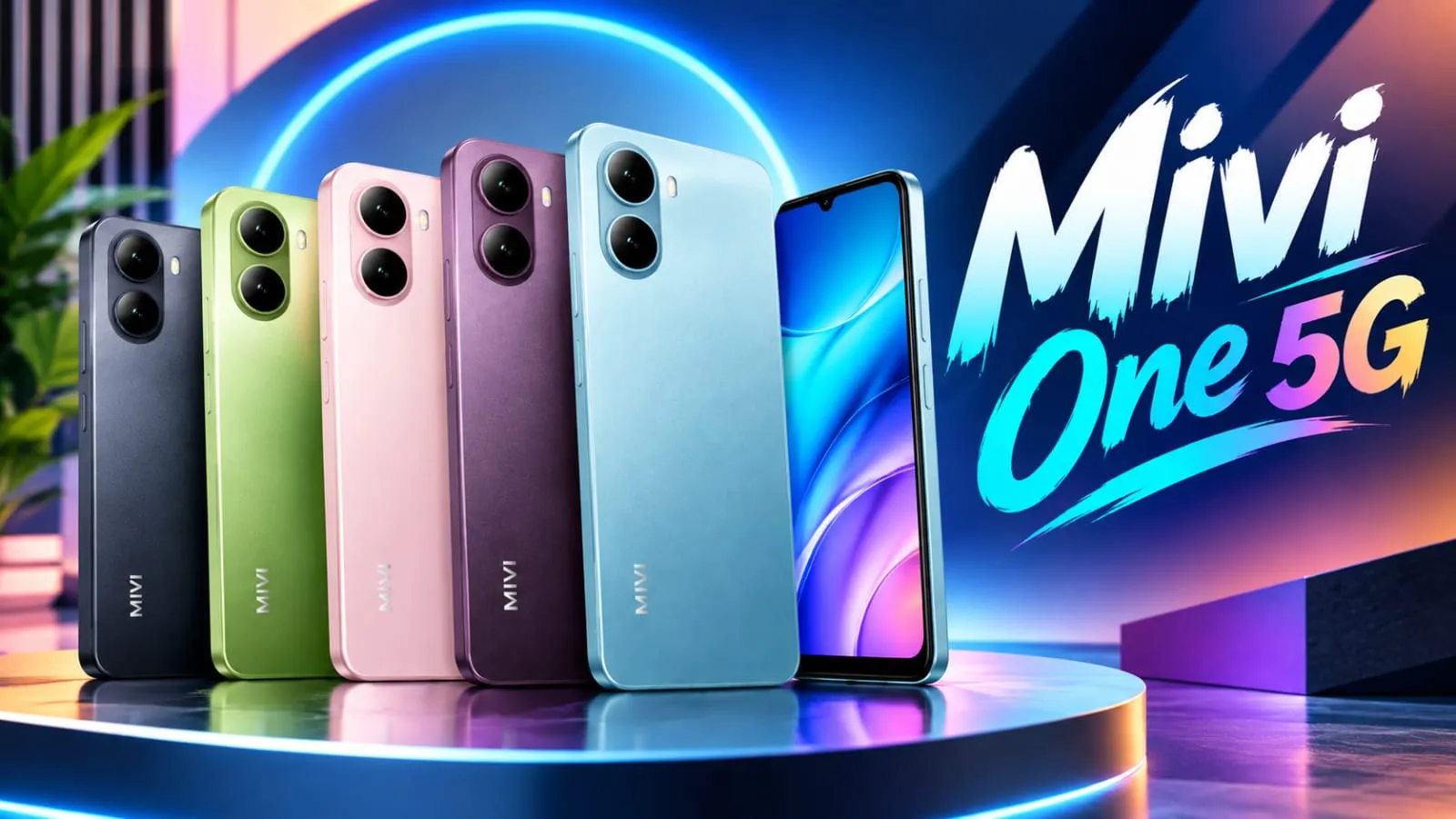
Hey buddy, do you know the audio brand Mivi, which is famous for earbuds and speakers? Well, they have just stepped into a whole new world. The Mivi One 5G is here, and this is Mivi’s first smartphone in India. From my experience, when a brand known for one category suddenly steps into phones, there’s always curiosity and a few questions in everyone’s mind. So let’s honestly see whether this budget phone is really worth your attention or if its entry into this world is nonsense. Mivi One 5G Price in India – Is It Really Worth Under ₹15,000? Let’s start with the number everyone wants to know first. The Mivi One 5G price starts at Rs 12,999 for the base 4GB RAM and 128GB storage variant, going up to Rs 16,999 for the 8GB RAM option. However, during Flipkart’s Big Billion Days sale, effective prices drop further, with the base model available for as low as Rs 11,999. 4GB + 128GB: Rs 12,999 (Rs 11,999 effective) 6GB + 128GB: Rs 14,999 (Rs 13,499 effective) 8GB + 128GB: Rs 16,999 (Rs 14,999 effective) Sale Date: October 8, exclusively on Flipkart Colours: Blue, Burgundy, Green, Dark Blue, and Pink If the budget is less than ₹13,000, this 5G phone with a Snapdragon processor can be a great option. Mivi One 5G Snapdragon 4 Gen 2 – Why Does This Chip Matter? Now let’s talk about the part Mivi is proudly highlighting. The Mivi One 5G Snapdragon 4 Gen 2 chipset is honestly a big deal in this price range. Most competing phones under Rs 15,000 usually come with MediaTek chipsets, so Mivi is positioning this Qualcomm chip as its biggest selling point. Built on a 4nm process, this octa-core processor is claimed to deliver an AnTuTu benchmark score of around 490,000 points. In simple words, this should comfortably handle everyday tasks like WhatsApp, Instagram, YouTube, UPI payments, video calls, and casual gaming. If you think as I do, heavier games might need lower graphics settings for a smoother experience, but for daily use, this chip should perform reliably well. Mivi One 5G 6000mAh Battery – Will It Last You The Whole Day? Among the features of this phone, this feature catches the most attention. The Mivi One 5G 6000mAh battery comes paired with 18W charging support. A battery this size is quite generous for a budget phone, and honestly, it should easily get most users through a full day of regular use without needing a midday top-up. However, buddy, I want to be fair here. The 18W charging speed is not particularly fast by today’s standards, so topping up the battery fully will take some patience. Mivi One 5G Specifications – Display, Camera and Software Let’s go through the remaining specifications you should know about. Display Details The phone features a 6.745-inch HD+ In-Cell display with a 90Hz refresh rate, covered with 2.5D glass and a waterdrop-style notch for the front camera. While it is not the sharpest panel out there, the 90Hz refresh rate should still make scrolling and everyday use feel reasonably smooth. Camera Setup For photography, the Mivi One 5G comes with a dual rear camera setup, led by a 50MP primary sensor with PDAF, along with an 8MP front camera for selfies and video calls. It also includes a feature called Mivi ClearTalk, which uses Mivi’s own Neural Voice Engine to reduce background noise like traffic or wind during calls. In my experience, that ClearTalk feature genuinely sounds useful, especially for people who take calls in noisy environments like markets or busy streets. Software Experience The phone runs on Android 16, and Mivi claims it comes without unnecessary bloatware or ads, which is honestly refreshing to hear in this price segment. However, the company has committed to only two major Android version updates, so long-term software support is not this phone’s biggest strength. Also Read: Can AI Tools Write High-Quality Blog Posts? Complete Guide Build Quality and After-Sales Support Now let’s talk about durability and support, since this matters a lot for a brand’s first smartphone. The Mivi One 5G carries an IP64 rating, protecting it against dust and light water splashes. It measures 9.15mm in thickness and weighs around 210 grams, combining a PMMA rear panel with an aluminium-titanium alloy frame. To build buyer trust, Mivi is also offering Mivi Care+ free with every purchase. This service includes doorstep pickup and repair support, along with a seven-day replacement window if repairs are delayed. The company has also set up around 500 service centres across India. Tell me the truth, that kind of after-sales support genuinely helps ease concerns when buying from a brand new smartphone player. Should You Buy Mivi One 5G? If your taste is like mine, then this phone could be a great option for you. It comes with a powerful Snapdragon chipset, long battery backup, and clean software, while the price is kept within budget. However, if camera quality and long term software updates are your top priorities, you might want to compare this with other established budget phones before deciding. Also Read: Best AI Tools in 2026: Top 25 Free & Paid Options Final Thoughts To sum it up, the Mivi One 5G brings a solid mix of Snapdragon performance, a large 6,000mAh battery, and bloatware-free software at a genuinely attractive price. It is Mivi’s first attempt at smartphones, and while it is not perfect, especially with an average camera setup and limited software updates, it looks like a promising start. Now let’s talk about you. Are you planning to grab this one during the Flipkart sale, or are you still comparing it with other budget 5G phones? Disclaimer: This information is based on data available from all sources while preparing the article. Prices, availability, and features may change over time. Be sure to check the latest information on Mivi’s official website or Flipkart before buying. Latest Post Redmi Note 17 Pro Max vs Motorola Edge 70 Pro+: Fair Fight boAt … Read more

Redmi Note 17 Pro Max vs Motorola Edge 70 Pro+: Fair Fight

Redmi Note 17 Pro Max vs Motorola Edge 70 Pro+: Fair Fight

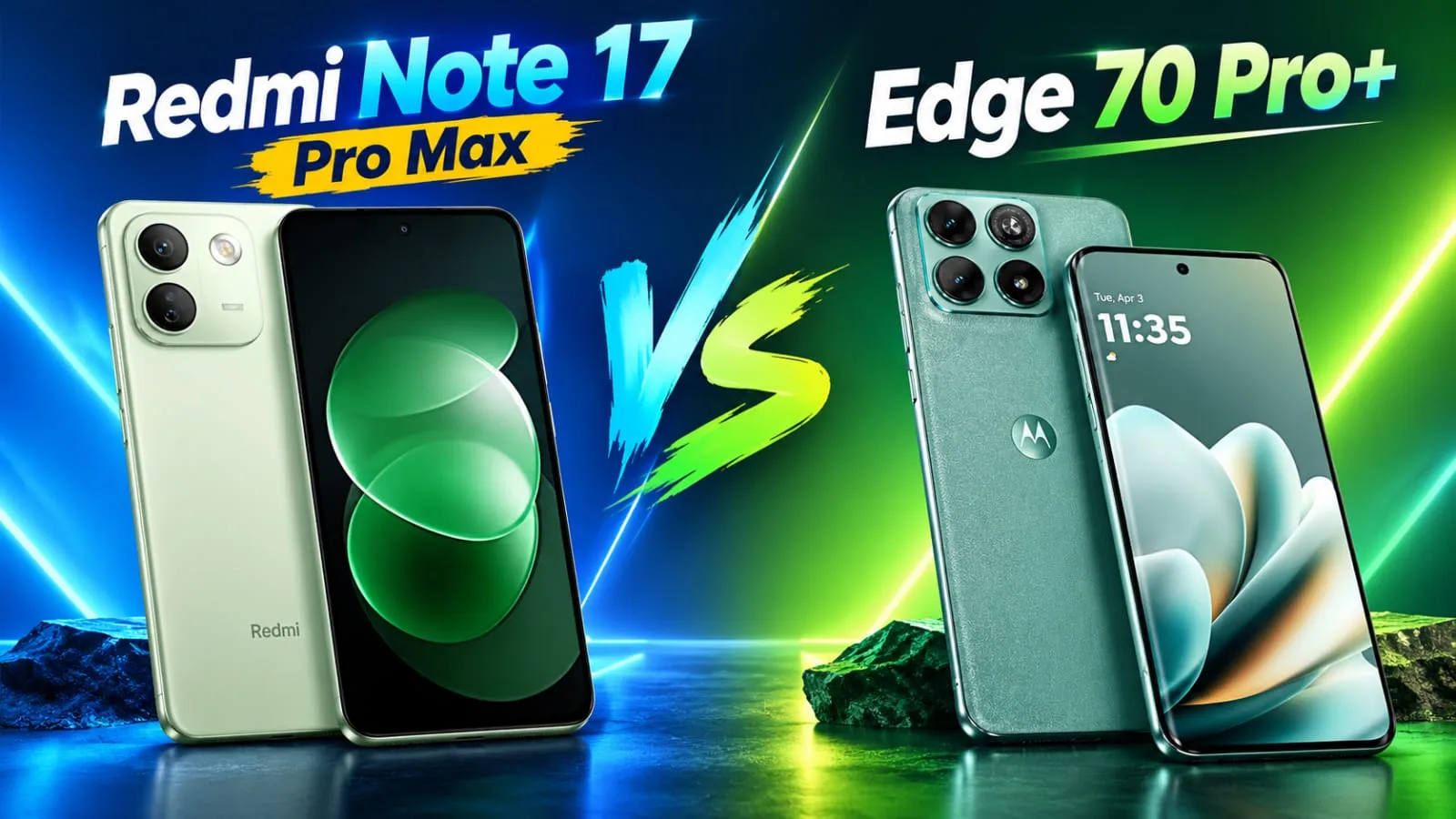
Hey buddy, picking a phone under fifty thousand rupees has actually become much more difficult than before. This year, both Redmi and Motorola have launched some amazing phones, and the debate between the Redmi Note 17 Pro Max vs Motorola Edge 70 Pro+ is heating up. In my experience, when two phones look so close on paper, the real difference shows up in everyday use, not just by looking at the specification sheet. So let’s break down this comparison honestly, feature by feature. Redmi Note 17 Pro Max vs Motorola Edge 70 Pro+ Price and Specs Overview Let’s start with the basics, since price always matters first. Redmi Note 17 Pro Max: Rs 49,999 for 8GB + 256GB, and Rs 55,999 for 12GB + 256GB Motorola Edge 70 Pro+: Rs 47,999 for the single 12GB + 256GB variant Tell me the truth, Motorola’s single-variant approach with 12GB RAM straight out of the box does feel like better value at first glance. Which Phone Has The Better Display? Now let’s talk about something you will stare at all day long. The Redmi Note 17 Pro Max comes with a 6.83-inch 1.5K AMOLED display, offering 120Hz refresh rate and peak brightness up to 3,500 nits. The Motorola Edge 70 Pro+, on the other hand, features a slightly smaller 6.8-inch AMOLED panel, but pushes the refresh rate up to 144Hz, along with an impressive 5,200 nits peak brightness. If you think as I do, higher refresh rate and brightness genuinely give Motorola an edge here, especially for gaming and outdoor visibility. Redmi Note 17 Pro Max or Motorola Edge 70 Pro+ for Gaming and Camera? This is where things get genuinely interesting, buddy. Performance for Gaming Redmi’s Note 17 Pro Max runs on the Snapdragon 6 Gen 5 chipset, which is a solid mid-range performer built for everyday tasks and casual gaming. Motorola’s Edge 70 Pro+ uses the MediaTek Dimensity 8500 Extreme, a chip generally known for stronger raw performance and better sustained gaming output. In my experience, if gaming is your priority, the Dimensity chip inside the Motorola tends to handle heavier games a bit more comfortably. Camera Comparison Here is a real-life comparison for you. Imagine zooming into a distant object during a family trip. The Redmi Note 17 Pro Max offers a 50MP f/1.5 main camera with OIS, an 8MP ultrawide lens, and a 32MP front camera. The Motorola Edge 70 Pro+ goes a step further with a triple 50MP rear camera setup, including a genuine 50MP periscope telephoto lens offering 3.5x optical zoom, something Redmi simply does not offer here. So honestly, if zoom photography matters to you, Motorola clearly wins this round. Also Read: Redmi Note 17 Pro Max: 10,000mAh Battery, Snapdragon Chip Battery Life and Charging Speed – Who Lasts Longer? Now let’s talk about something that affects your entire day. Redmi Note 17 Pro Max: Massive 10,000mAh silicon-carbon battery with 100W fast charging Motorola Edge 70 Pro+: 6,500mAh battery with 90W wired and 15W wireless charging Tell me the truth, a 10,000mAh battery is genuinely rare at this price point, and this is where Redmi Note 17 Pro Max clearly takes the lead. If you are someone who forgets to charge their phone regularly, this alone might be a deciding factor for you. However, Motorola does offer wireless charging, which Redmi skips entirely, so that is a fair trade-off worth mentioning. Build Quality and Software Support Let’s talk about durability and long-term software updates now. The Redmi Note 17 Pro Max comes with IP66, IP68, and IP69K ratings, Gorilla Glass Victus 2 protection, and Redmi’s reinforced Titan Structure. It also promises four major OS upgrades along with six years of security updates, which is genuinely impressive for this price segment. The Motorola Edge 70 Pro+ offers three years of OS upgrades and five years of security updates, which is still respectable, but slightly behind Redmi’s offering here. If you think as I do, software support really matters for people who like keeping their phone for many years, and Redmi has a clear advantage in this department. So, Which Phone Should You Actually Buy? Buddy, here comes the honest verdict you have been waiting for. Choose the Redmi Note 17 Pro Max if you want: A massive 10,000mAh battery for worry-free daily use Faster 100W charging speed Longer software update support Slightly lower starting price Choose the Motorola Edge 70 Pro+ if you want: A smoother 144Hz display with higher brightness A genuine periscope zoom camera Wireless charging support Stronger raw gaming performance In my experience, neither phone is a bad choice here. It genuinely comes down to what matters more to you personally, battery backup and longevity, or display smoothness and camera zoom. Also Read: Moto Pad 70 Goes Official: 5G, AI Tools and 10,200mAh Battery.  Final Thoughts on Redmi Note 17 Pro Max vs Motorola Edge 70 Pro+ To sum it up honestly, this Redmi Note 17 Pro Max vs Motorola Edge 70 Pro+ comparison does not have one single winner. Redmi focuses on battery life and long-term software support, while Motorola focuses on display quality and camera versatility. Now let’s talk about you. Are you someone who prioritizes battery backup, or do you lean more toward camera zoom and a smoother display? Disclaimer: This article is based on publicly available information at the time of writing. Prices, specifications, and availability may change over time. Please check official Redmi and Motorola websites or authorized retailers for the latest and most accurate details before making a purchase. Latest Post boAt CREST AI: Smart Feature, Honest Concern in 2026 Apple iPhone vs Android: What’s the Better Choice in 2026? Lava Virat Curve 5G Launches in India with Curved AMOLED and Rear Mini Display Lava Bold N4 Pro 5G Launches in India with 120Hz Display and 50MP Camera OPPO K14 Plus 5G: Exciting Launch, Confusing Price Earbuds boAt CREST AI: Smart Feature, Honest Concern in 2026 Best boAt TWS Earbuds for Music, Calls and Everyday Listening AirPods … Read more

Xiaomi MiMo-V2.6-Pro: Full Benchmark Breakdown

Xiaomi MiMo-V2.6-Pro: Full Benchmark Breakdown

Friend, if you have even a little bit of an idea about following AI news, you might know how quickly this field keeps changing. Well, here comes another big update. Xiaomi has just launched the Xiaomi MiMo-V2.6-Pro, and honestly, it has surprised many people in the AI world. From my experience, most phone and gadget companies only focus on hardware. But Xiaomi has quietly been developing serious AI models, and this latest release proves that they are not joking anymore. What Exactly Is Xiaomi MiMo-V2.6-Pro? Let’s keep this simple, buddy. MiMo-V2.6-Pro is Xiaomi’s newest and most powerful AI model, and it is completely open-weight. That basically means the model’s weights are publicly available for developers to download and use, unlike closed models where companies keep everything locked behind an API. According to independent benchmarking firm Artificial Analysis, MiMo-V2.6-Pro has become the top-ranked open-weight model in the world on its Intelligence Index, scoring 46 points. That is a massive jump from its earlier version, MiMo-V2.5-Pro, which scored only 26. Tell me the truth, that kind of improvement in just one generation is genuinely impressive. Xiaomi MiMo V2.6 Pro AI Model – What’s Under the Hood? Now let’s talk about the technical side, but I promise to keep it easy to understand. MiMo-V2.6-Pro is what is called a sparse mixture-of-experts model. In simple words, imagine a huge team of specialists, but only a few of them actually work on your specific question at a time. This makes the model powerful while still being efficient to run. Here are the key numbers you should know: Total Parameters: 1.02 trillion Active Parameters: 42 billion per response Context Window: Up to 1 million tokens Input Types: Text, images, video, and audio If you think as I do, that context window number is honestly wild. It means the model can handle extremely long conversations, documents, or coding projects without losing track of earlier details. Xiaomi MiMo V2.6 Pro 1 Trillion Parameter AI Model – Why Does Size Matter Here? You might be wondering: does having a trillion parameters actually make a difference? In this case, yes, but not in the way most people assume. The Xiaomi MiMo V2.6 Pro 1 trillion parameter AI model does not activate all its parameters at once. Instead, it smartly picks only the most relevant experts for each task, which keeps costs surprisingly low. In fact, Xiaomi prices the model at roughly $0.435 per million input tokens and $0.87 per million output tokens. Buddy, compared to many premium closed AI models, that pricing is genuinely on the cheaper side. Also Read: Can AI Tools Write High-Quality Blog Posts? Complete Guide MiMo V2.6 Pro Performance and Benchmarks – Is It Actually Good? This is the part everyone really wants to know. MiMo-V2.6-Pro performs strongly across several real-world tasks, especially coding and agent-based work. Some of its benchmark scores include a jump on DeepSWE, a tough software engineering test, along with strong results on Terminal Bench and AutomationBench. Here is an honest breakdown: Strong Areas: Coding, terminal tasks, cybersecurity testing, tool usage Comparable Performance: Roughly matches Claude Opus 5 and GPT-5.6 Sol on several agent benchmarks, according to Xiaomi’s own testing Weaker Areas: Still trails top closed models overall, and tends to produce longer, more verbose responses than needed Tell me the truth, that verbosity issue is something a lot of AI models struggle with, so MiMo-V2.6-Pro is not entirely alone here. MiMo V2.6 Pro vs Other Open AI Models – How Does It Compare? Now let’s compare it with its actual competition, since numbers alone do not tell the full story. Before this release, models like Z.AI’s GLM-5.3 and Moonshot’s Kimi K3 were sharing the top spot among open-weight models, both scoring around 44 to 45 points. MiMo-V2.6-Pro has now pushed past both of them, along with Alibaba’s Qwen3.8 Max. However, it is important to be honest here, buddy. While MiMo-V2.6-Pro leads the open-weight category, it still sits behind the very best closed, proprietary models overall. So this is a big win specifically within the open-weight space, not a claim of being the best AI model on the planet. What Makes This Model Special Beyond Just Numbers? Here is something genuinely interesting about this release. Xiaomi did not just release the model weights. They also published the full technical report, their reinforcement learning training framework, and thousands of task environments used for training. That level of openness is rare, even among companies that call their models open-weight. Additionally, Xiaomi introduced something they call “Vibe World,” where the model’s coding skills extend beyond just writing software. This includes generating 3D scenes, controlling robotic arms in simulations, and even helping build slide decks or website designs from simple text instructions. In my experience, when a company shares this much behind-the-scenes work, it usually signals genuine confidence in what they built, rather than just marketing hype. Should Developers Actually Use MiMo-V2.6-Pro? If you think as I do, this really depends on your specific needs. For developers who want strong coding and agent capabilities at a lower price, this model looks like a genuinely solid choice. It is also available through multiple platforms, including Xiaomi’s own API, Hugging Face, and OpenRouter, giving flexibility in how you access it. However, if you specifically need the absolute best performing model regardless of cost, proprietary options still hold a slight edge in certain advanced tasks. Also Read: Best AI Tools in 2026: Top 25 Free & Paid Options Final Thoughts on Xiaomi MiMo-V2.6-Pro To sum it up honestly, Xiaomi MiMo-V2.6-Pro is a genuinely strong step forward for open-weight AI models. It combines massive scale with smart efficiency, competitive pricing, and surprisingly transparent research sharing. It may not beat every closed model out there, but within the open-weight world, it currently leads the pack. Now let’s talk about you. Are you excited to try an open-weight model like this, or do you still prefer sticking with established closed AI platforms? Disclaimer: This article is based on publicly available information … Read more

Apple iPhone vs Android: What’s the Better Choice in 2026?

iPhone vs Android 2026: Honest Comparison Guide

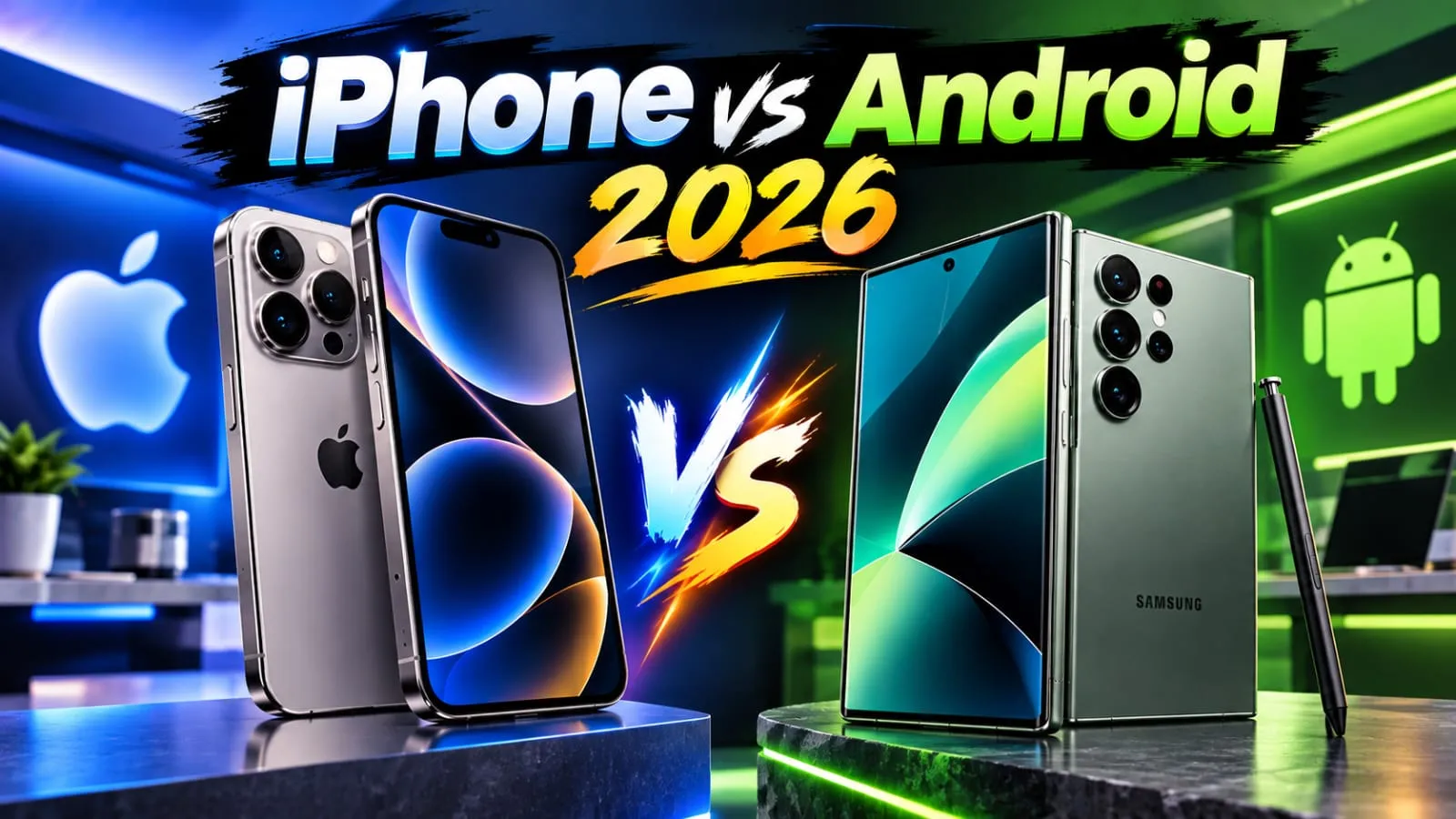
Hey buddy, if you’re feeling stuck this year between getting an iPhone and sticking with Android, trust me, you’re not the only one. Every year, the iPhone vs Android 2026 debate comes back, and honestly, there’s never a clear winner. In my experience, both sides have their loyal fans who truly believe their phone is the best. So, without blindly choosing a side, let’s compare things honestly and see what each offers this year and which one is better for you. iPhone vs Android 2026 – Why Is This Debate Still Alive? Tell me the truth: you have probably heard this same argument from friends and family for years now. This year, Apple launched the iPhone 18 Pro with its new A20 Pro chip, better cameras, and deeper Apple Intelligence features. On the other side, Android brands like Samsung, Google, Xiaomi, and OnePlus have pushed out flagships with massive batteries, faster charging, and powerful AI tools of their own. So basically, both platforms have leveled up significantly, which honestly makes the iPhone vs Android comparison 2026 even more interesting than before. iPhone vs Android Price and Features in USA and India Now let’s talk about something practical: your budget. In the USA, the iPhone 18 Pro starts around $1,199, which is genuinely expensive for most regular buyers. Meanwhile, Android flagships like the Samsung Galaxy S26 series or Google’s Pixel lineup often offer similar or even better specifications at a slightly lower starting price. In India, the story is quite similar. Apple’s iPhones sit firmly in the premium segment, while Android gives you options at nearly every price point, from budget phones under Rs 15,000 to flagship killers competing directly with Apple. iPhone: Fewer models, but consistent quality across the lineup Android: Huge variety, from ultra-budget to ultra-premium options If you think as I do, this is where Android genuinely wins for buyers who want more choices within their budget. iOS vs Android 2026 – Which Software Feels Better? This part usually comes down to personal preference, buddy. iOS remains a closed, tightly controlled ecosystem. Apple keeps things simple, secure, and consistent across devices. iPhones also receive software updates for around five to six years, which is genuinely one of Apple’s biggest strengths. Android, on the other hand, offers far more customization. You can change launchers, tweak settings deeply, and personalize your phone in ways Apple simply does not allow. Here is an honest comparison: iOS Pros: Long software support, smoother security patches, consistent experience iOS Cons: Limited customization, higher repair costs Android Pros: More customization, wider hardware options, competitive pricing Android Cons: Update timelines vary a lot between brands In my experience, if you like things simple and consistent, iOS feels comforting. If you enjoy control over every little setting, Android feels more like home. Also Read: iPhone Duo vs Galaxy Z Fold 8: Price War Explained iPhone vs Android Camera, Battery and Performance Comparison Now let’s get into the technical side that actually affects daily use. Camera Performance The iPhone 18 Pro brings a 48MP Fusion Main camera with variable aperture, giving photographers better control over depth and low-light shots. However, Android flagships like the Samsung Galaxy S26 Ultra come with a massive 200MP camera sensor, which technically offers more detail in ideal conditions. Tell me the truth: more megapixels do not always mean better photos, since software processing plays a huge role too. Both platforms genuinely take excellent photos in good lighting, and the real difference mostly shows up in extreme low light or heavy zoom situations. Battery Life This is honestly one area where Android often pulls ahead. Some Android flagships now pack batteries as large as 7,500mAh, compared to Apple’s more modest battery capacities. However, Apple compensates with tighter software optimization, so real-world battery backup often feels closer than the raw numbers suggest. Performance Apple’s custom chips have traditionally led in raw processing power, and the new A20 Pro chip continues that trend. However, Android flagships using chips like Snapdragon 8 Elite Gen 5 or Dimensity 9500 have closed the performance gap significantly, especially for gaming and multitasking. Which One Should You Actually Buy in 2026? If you think as I do, the real answer depends entirely on what matters most to you personally. Choose iPhone if you want: Long-term software updates A simple, consistent user experience Strong resale value Deep integration with other Apple devices Choose Android if you want: More budget flexibility Greater customization options Bigger batteries and faster charging More hardware variety to choose from In my experience, most people who already own other Apple devices tend to stick with iPhone for the smooth ecosystem experience. Meanwhile, people who love trying new features and want more value for their money often lean toward Android. Also Read: Apple iPhone 18 Event Tonight: Pro, Pro Max, Foldable iPhone Duo Final Thoughts on iPhone vs Android 2026 To sum it up honestly, this iPhone vs Android 2026 debate does not really have one universal winner. Apple offers a polished, secure, and long-lasting experience, while Android offers flexibility, variety, and often better value for money. Now let’s talk about you. Are you team iPhone for the smooth ecosystem, or team Android for the freedom and choices it gives you? Disclaimer: This article is based on publicly available information and general market trends at the time of writing. Prices, specifications, and features may vary by region and change over time. Please check official Apple and Android manufacturer websites for the latest and most accurate details before making a purchase. Latest Post Apple iPhone vs Android: What’s the Better Choice in 2026? Lava Virat Curve 5G Launches in India with Curved AMOLED and Rear Mini Display Lava Bold N4 Pro 5G Launches in India with 120Hz Display and 50MP Camera OPPO K14 Plus 5G: Exciting Launch, Confusing Price Upcoming Android Flagships 2026: Powerful Cameras Ahead Earbuds Best boAt TWS Earbuds for Music, Calls and Everyday Listening AirPods 5 Launched in India with ANC and Siri AI: Price and … Read more