Tech all rounder

itel Zeno 300: Budget Winner or Weak Choice?
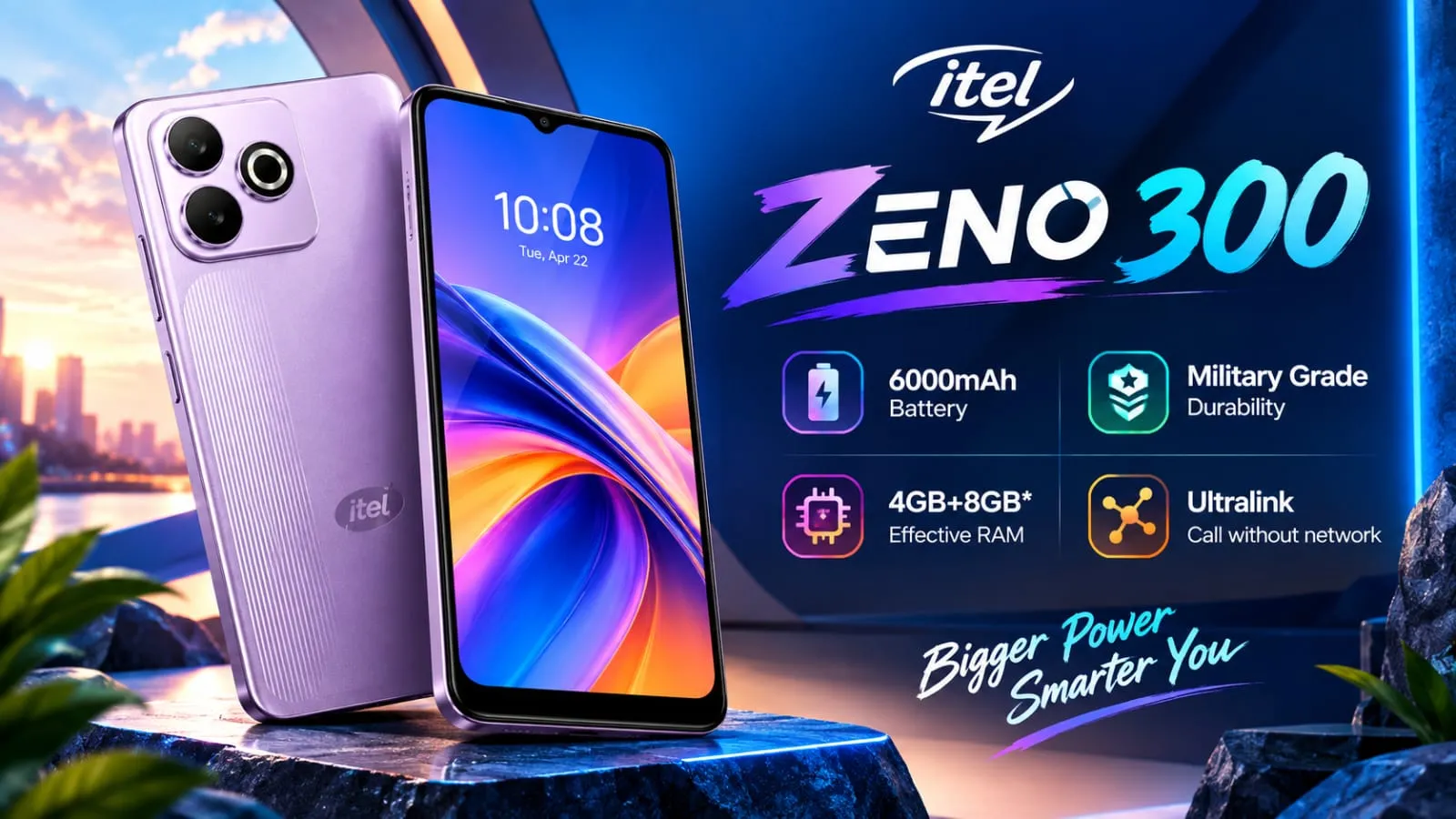
itel Zeno 300: Budget Winner or Weak Choice?

Hey friend, are you looking for a phone that costs around ten thousand rupees or less and lasts a long time on a single charge? Then the itel Zeno 300 might catch your eye. It was launched in India for 9,649 rupees, and its biggest attraction is its huge 6,000mAh battery. In my experience, budget phones often make a lot of compromises with their features. So let’s honestly see what this phone gives you and where it falls short. itel Zeno 300 Full Specifications and Price Overview Now let’s look at the main numbers in one place, buddy. Display: 6.56-inch HD+ IPS LCD with 90Hz refresh rate Processor: Unisoc T7100 octa-core chipset RAM and Storage: 4GB RAM, 64GB storage, plus up to 8GB virtual RAM Battery: 6,000mAh with 18W charging Software: Android 16 Go Edition Rear Camera: 8MP single camera Front Camera: 5MP Network: 4G only If you think like I do, this list tells you clearly that the phone is made for simple daily use, not for heavy tasks. itel Zeno 300 Price in India – What Will You Pay? Let’s start with the money part, since that matters most in this segment. The itel Zeno 300 price is Rs 9,649 for the only available variant, which has 4GB RAM and 64GB storage. It is already on sale on Amazon India, so you do not need to wait for any special date. Price: Rs 9,649 Variant: 4GB RAM + 64GB storage Colours: Silver Mist, Classic Black, and Lavender Purple Where to buy: Amazon India Launch offer: 100-day free screen replacement Tell me the truth, that free screen replacement offer is a nice bonus for a phone at this price, especially if you tend to drop your phone like I do. Is the 6.56-inch Display Phone Good Enough? Let’s talk about the screen, because you will look at it all day. The 6.56 inch display phone category is interesting here, since most budget phones today go for 6.75 inches or bigger. A slightly smaller screen can feel easier to hold, especially if you have small hands and hate stretching your thumb to the top corner. The panel has HD+ resolution of 720 x 1612 pixels and a 90Hz refresh rate, which makes scrolling smoother than the old 60Hz screens found in many cheaper phones. However, HD+ means it is not very sharp, so do not expect crisp text as you get on a full HD display. itel Zeno 300 Battery Life – Does 6,000mAh Really Help? This is where the phone tries to shine, buddy. A 6,000mAh battery phone at under Rs 10,000 is a genuinely strong selling point. In my experience, a battery this big usually gets you through a full day and often into the next one, if you only use WhatsApp, YouTube, and calls. The phone supports 18W charging. That is not super fast, so filling the big battery will take some time, but it is still better than the slow 10W charging on older itel phones. Honestly, if long battery backup is your top need, this phone makes a lot of sense for its price. Also Read: Can AI Tools Write High-Quality Blog Posts? Complete Guide itel Zeno 300 Performance With Unisoc T7100 Now let’s be honest about speed. The Unisoc T7100 phone setup runs on an octa-core chip with 4G support. It should handle chatting, video watching, web browsing, UPI payments, and light 2D games without much trouble. However, buddy, do not expect smooth performance in heavy games. This chip is made for basic tasks, so demanding games will need very low settings, and you may notice slowdowns. The phone runs Android 16 Go Edition, which is a lighter version of Android built to work smoothly on low-power hardware. The extra 8GB virtual RAM can help with multitasking, giving up to 12GB effective RAM, though virtual RAM is never as fast as real RAM. itel Zeno 300 Camera Specifications – Should You Expect Much? Let me be very direct here, since honesty matters. The itel Zeno 300 camera specifications are simple. You get a single 8MP rear camera with an f/2.0 aperture and a 5MP front camera. In daylight, photos should look fine for social media, but low-light shots will likely look soft and noisy. If photography is important to you, this is not the phone to pick. In this price range, that is very normal, so I would not call it a big surprise. Extra Features That Make This Phone Useful Now here is the fun part, because itel has added a few practical things. MIL-STD-810H certification for better durability against drops and daily shocks DTS sound for better audio quality on supported content UltraLink feature to stay connected when the normal mobile network is not available Side-mounted fingerprint sensor plus face unlock. Memory card slot, 3.5mm headphone jack, and IR blaster In my experience, that headphone jack and memory card slot are things many people still want, even though newer phones keep removing them. The IR blaster is also handy if you like controlling your TV or AC with your phone. itel Zeno 300 vs Other Budget Phones Let’s compare it with the competition, buddy. For this price, one close rival is the Lava Bold N2. That phone is also 4G and has weaker specs in areas like processor, software version, and battery. However, it does offer an IP rating for dust and water protection, which the itel Zeno 300 lacks. So if water resistance matters to you, keep that in mind. On the other hand, if battery size and newer Android software matter more, the Zeno 300 looks like the stronger choice. Who Should Buy the itel Zeno 300? If you think as I do, this phone suits a few types of people well. Parents or elders who want a simple phone with long battery life Students who need a basic phone for calls, classes, and videos Anyone looking for a backup phone under Rs 10,000 People who value a headphone … Read more
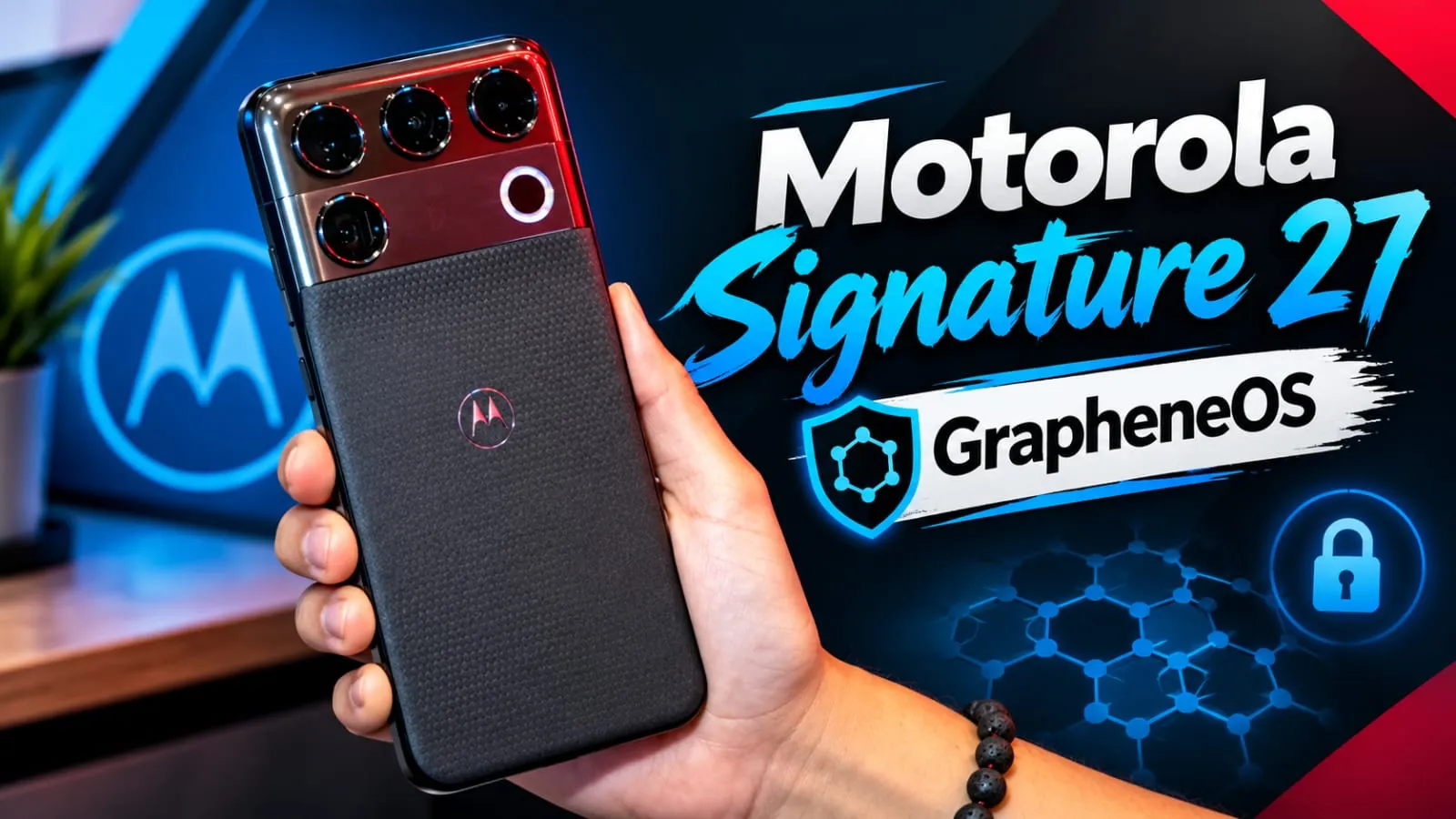
Motorola Signature 27 GrapheneOS: Strong Specs, Fair Wait

Motorola Signature 27 GrapheneOS: Strong Specs, Fair Wait

Hey friend, if you’re worried about your smartphone’s privacy, this news is really going to be big. For years, if you wanted to use GrapheneOS, you basically only had one option, and that was Google Pixel. Now, this situation finally seems to be changing, because Motorola Signature 27 GrapheneOS support has now been officially confirmed. In my experience, privacy-focused users often feel pretty stuck when choosing hardware, because strong privacy software usually meant limited phone options. This announcement really breaks that pattern for the first time. What Exactly Was Announced About Motorola Signature 27 GrapheneOS Support? Let’s get straight to the point, buddy. Following this week’s unveiling of the phone at the Qualcomm Snapdragon Tech Summit, GrapheneOS officially confirmed that the Motorola Signature 27 will be its first supported Motorola device. This confirmation came directly from GrapheneOS’s own account, responding to a user question about whether the Signature 27 would run the software. Tell me the truth: this is a genuinely big deal, since GrapheneOS has stuck exclusively to Pixel phones for years, mainly because most other Android phones simply did not meet its strict hardware requirements. Why Did GrapheneOS Choose Motorola Signature 27 First? Now let’s talk about the “why” behind this decision. GrapheneOS has always been picky about hardware, and for good reason. The project requires things like an unlockable bootloader, hardware memory tagging, strong secure element integration, and a genuine commitment to long-term software updates. The Motorola Signature 27 checks these boxes comfortably. It runs on Qualcomm’s brand-new Snapdragon 8 Elite Extreme Gen 6 chipset, built on a 2nm process. Alongside that, Motorola has promised seven major OS upgrades and up to seven years of security updates, which genuinely matches what GrapheneOS demands from its supported devices. If you think as I do, this partnership makes perfect sense, since GrapheneOS previously explained that only Qualcomm’s top-tier flagship chips currently offer the security features needed for proper support. Motorola Signature 27 Privacy Features – What Changes With GrapheneOS? This is honestly the most important part for privacy-focused buyers. GrapheneOS is built on top of the Android Open Source Project, but it strips away Google’s default tracking and telemetry. Once installed, the phone does not come with Google Mobile Services by default, though it can still run regular Android apps. Here is what makes this genuinely appealing: Reduced tracking from apps and websites Optional, sandboxed access to Google Play services, only if you choose to enable it Stronger app permission controls compared to standard Android. Ability to block network access individually for each app In my experience, that last feature alone is genuinely powerful, since it lets you stop specific apps from silently sending data in the background, something regular Android does not easily allow. Also Read: Moto Pad 70 Goes Official: 5G, AI Tools and 10,200mAh Battery.  Motorola Signature 27 First Non-Pixel GrapheneOS Phone – Why Does This Matter? Buddy, this title alone tells you how significant this moment is. Since its inception, GrapheneOS has remained tightly anchored to Google’s Pixel lineup, mainly because Pixel phones offered predictable security components like the Titan M2 chip and reliable long-term firmware support. Now, for the very first time, privacy-focused users get a genuine alternative outside Google’s own hardware ecosystem. This partnership between Motorola and GrapheneOS was actually announced earlier this year, back in March 2026, though the specific supported model remained unknown until this week’s Signature 27 unveiling finally answered that question. What Are the Motorola Signature 27 Specifications Besides GrapheneOS? Now let’s talk about the phone itself, since good software still needs solid hardware to shine. Processor: Snapdragon 8 Elite Extreme Gen 6, built on TSMC’s 2nm process Camera: 200MP periscope telephoto lens paired with an updated 50MP main sensor Audio: Bang & Olufsen-tuned sound system Software Support: Seven OS upgrades and up to seven years of security patches Tell me the truth, this hardware genuinely sounds flagship-worthy, even before factoring in the GrapheneOS privacy angle. When Will Motorola Signature 27 Actually Launch? Here comes the part where I have to be honest, buddy, since not everything is confirmed yet. Motorola has not announced an exact release date or pricing for the Signature 27. The company’s North American product page currently mentions a November arrival, without specifying an exact day. Since pricing remains unannounced, it is currently difficult to directly compare this phone against existing GrapheneOS-supported Pixel models. In my experience, waiting a little longer for official pricing details is genuinely worth it before making any purchase decisions here. How GrapheneOS Will Work on Motorola Signature 27 Going Forward Interestingly, this rollout does not stop at just one phone. GrapheneOS has mentioned that Motorola’s foldable devices, specifically future Razr Fold and Razr Ultra models, came close to qualifying for support as well, and are expected to join later. The team has also expressed interest in eventually supporting more affordable Motorola devices, though that depends on Qualcomm extending stronger security features to non-flagship chipsets too. If you think like I do, starting with a high-end flagship first makes complete sense, since it lets GrapheneOS thoroughly test compatibility before expanding to a wider range of devices. Should Privacy-Focused Buyers Get Excited About This? Honestly, buddy, yes, but with a little patience. This announcement genuinely gives privacy-conscious users a real alternative to Pixel phones for the first time in years. However, since pricing and the exact launch date remain unclear, it is still too early to fully commit until more official details arrive. Also Read: Redmi Note 17 Pro Max vs Motorola Edge 70 Pro+: Fair Fight Final Thoughts on Motorola Signature 27 GrapheneOS To sum it up, the Motorola Signature 27 GrapheneOS partnership marks a genuinely historic shift for privacy-focused Android users. For the first time, strong hardware and hardened privacy software are no longer limited to Google’s own devices. It is not a perfect launch yet, since pricing and exact availability are still pending, but the direction here is genuinely exciting. Now let’s talk about you. Would you consider … Read more

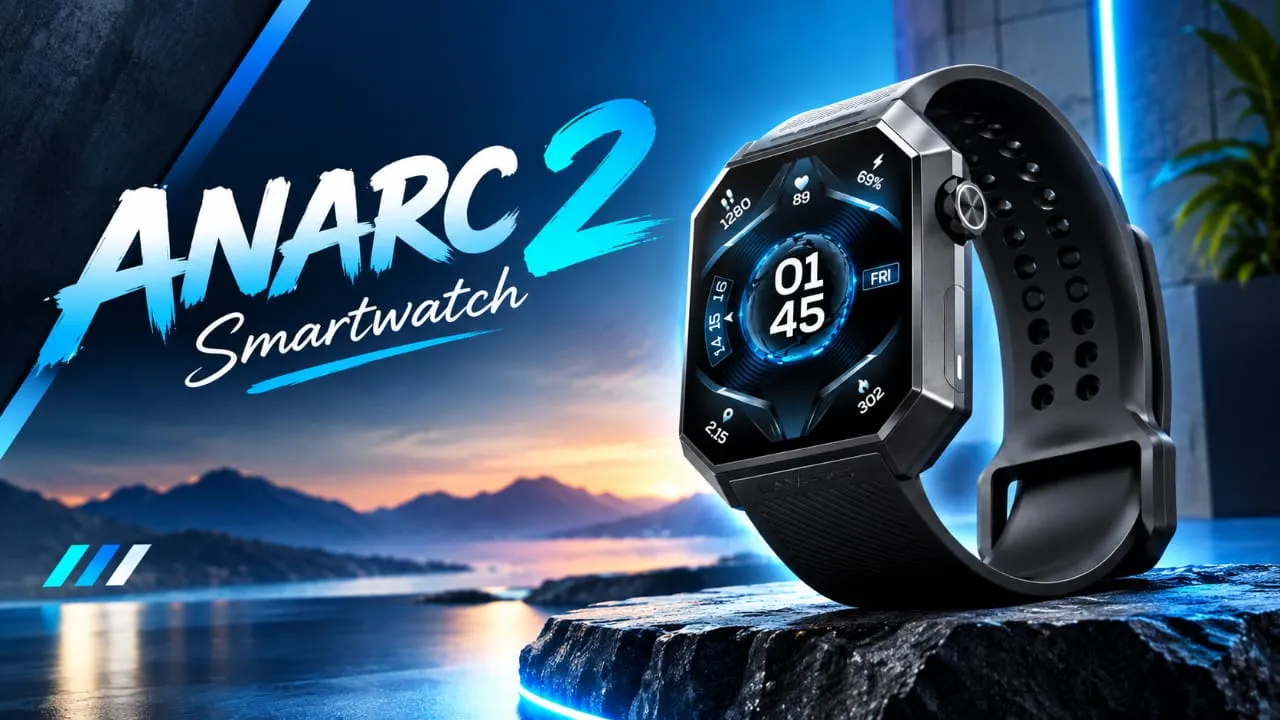
ANARC 2 Smartwatch: Great Upgrade, Honest Review

ANARC 2 Smartwatch: Great Upgrade, Honest Review

Buddy, if you’re following Shlok Srivastava, better known as Tech Burner, you already know that his brand never keeps things quiet at all. The company has just launched the ANARC 2 smartwatch, and honestly, it really feels like a step ahead of the first version. In my experience, first-generation products of any brand usually have some flaws. So it’s really refreshing that a company actually listens to feedback and fixes those issues in the sequel, instead of just slapping on a new coat of paint. What Is New With The ANARC 2 Smartwatch? Let’s get straight to the point, buddy. The ANARC 2 Smartwatch comes from Layers, the consumer technology company founded by Neel Gogia and Shlok Srivastava. It is priced at an accessible Rs 6,999, and it has been rebuilt across hardware, software, and overall user experience, based directly on feedback from people who used the original Anarc. Interestingly, before launching this to the general public, Layers invited around 100 Anarc 1 customers to Delhi for a private first look, with people even travelling from cities like Hyderabad, Bhubaneswar, and Bengaluru just to experience it early. Tell me the truth, that kind of community-first approach is not something you see often from budget tech brands in India. ANARC 2 Price and Where It Fits in the Market Now let’s talk numbers, since that always matters first. Price: Rs 6,999 Segment: Falls within India’s fast-growing Rs 5,000 to Rs 7,000 smartwatch category Availability: Wider market rollout following the private community reveal If you think like I do, staying under seven thousand rupees while adding this many upgrades genuinely shows Layers is trying to stay competitive in a crowded budget smartwatch market. ANARC 2 Nexora OS – What Makes It Different? A Completely Rebuilt Software Experience The biggest change with this smartwatch is honestly the software itself. Layers has introduced a brand new interface called Nexora OS, built specifically to feel more responsive and customizable compared to before. To pull this off properly, Layers worked with Seymourpowell, a well known London-based product design consultancy, focusing heavily on improving interaction and personalization. Customization and Display Features Nexora OS ships with over 200 in-house watch faces, support for storing up to 30 faces at once, more than 40 animations, and an Always-On Display option. The screen itself is a 1.85-inch AMOLED panel with a 390 by 450 resolution, 322 PPI sharpness, a 60Hz refresh rate, and brightness reaching up to 700 nits. In my experience, that level of screen sharpness combined with Always-On support genuinely makes daily glanceability much better than typical budget smartwatches. ANARC 2 AI Features – Layers AI and Canvas AI This is where things get genuinely interesting, buddy. The ANARC 2 AI features include something called Layers AI, along with Canvas AI, which is currently available in beta. While detailed capabilities are still rolling out, this move clearly shows Layers wants to bring smarter, more personalized interactions directly onto your wrist, rather than keeping AI limited to just smartphones. Honestly, AI integration on budget smartwatches is still fairly new, so it will be interesting to see how well these features actually perform once more users start testing them in daily life. Also Read: Can AI Tools Write High-Quality Blog Posts? Complete Guide ANARC 2 GPS Smartwatch – Fitness and Health Tracking Now let’s talk about the fitness side, since that matters a lot for smartwatch buyers. The ANARC 2 GPS smartwatch finally adds built-in GPS, along with AGPS support and Strava syncing, something the first ANARC genuinely lacked. This means you can now track outdoor runs or cycling routes accurately, without needing to carry your phone along just for location tracking. Here is what else it offers on the health side: Heart rate and SpO2 monitoring, claimed to be 33% faster than the first Anarc. Sleep and stress tracking Women’s health tracking Over 100 workout modes Tell me the truth, built-in GPS alone is a genuinely big upgrade, especially for runners and cyclists who hate depending on their phone during workouts. ANARC 2 Battery Life and Build Quality Let’s talk about how long this thing actually lasts. The smartwatch packs a 350mAh battery, which Layers claims can deliver up to seven days of regular use, extending to 14 days in battery saver mode. It runs on a HiSilicon processor, and comes with an aluminium middle frame, a functional crown with haptic feedback, a redesigned magnetic charging system, and an IP68 rating for water and dust resistance. In my experience, a week-long battery life on a smartwatch this feature-packed is genuinely impressive, especially when GPS and AMOLED displays usually drain battery faster. Is ANARC 2 Actually Worth Buying? If you think as I do, this smartwatch genuinely addresses the real complaints people had with the original Anarc, rather than just offering surface-level changes. However, since Canvas AI is still in beta, some AI features may not feel fully polished right away. Buyers should treat these smarter features as a work in progress rather than a finished experience at launch. For someone specifically looking for built-in GPS, a sharp AMOLED display, and solid battery life under Rs 7,000, the ANARC 2 genuinely looks like a strong contender in this segment. Also Read: Best AI Tools in 2026: Top 25 Free & Paid Options Final Thoughts on ANARC 2 Smartwatch To sum it up, the ANARC 2 Smartwatch shows Layers taking real customer feedback seriously, fixing hardware gaps like GPS, and introducing a genuinely upgraded Nexora OS along with early AI features. It is not a flagship smartwatch, but for its price segment, it brings a lot to the table. Now let’s talk about you. Are you excited about the new Nexora OS, or does built-in GPS matter more to you personally? Disclaimer: This article is based on publicly available information at the time of writing. Prices, features, and availability may change over time. Please check Layers’ official website or authorised retailers for the latest and most accurate details before making … Read more

Mivi One 5G: Great Chip, Honest Limitation

Mivi One 5G: Great Chip, Honest Limitation

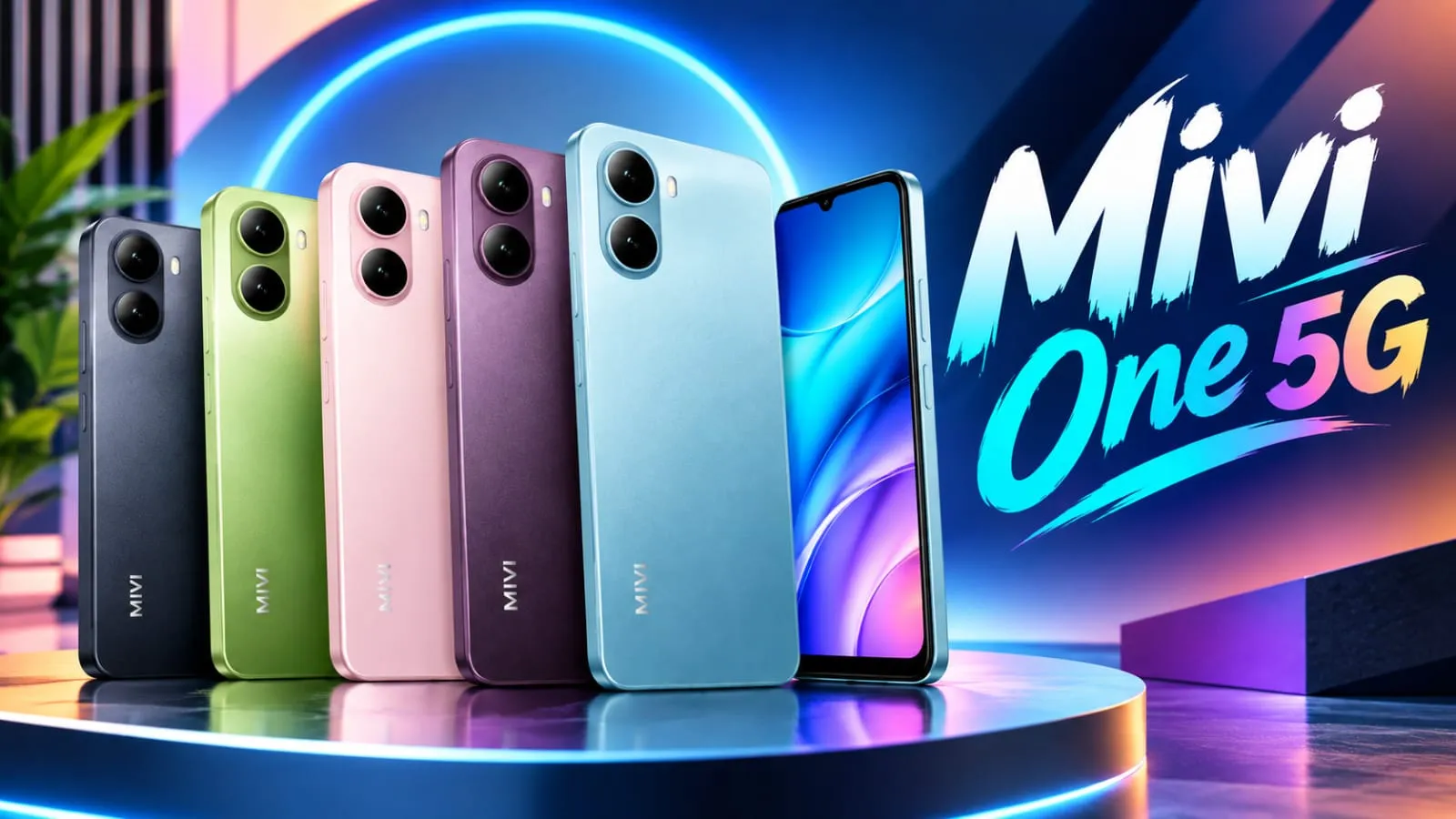
Hey buddy, do you know the audio brand Mivi, which is famous for earbuds and speakers? Well, they have just stepped into a whole new world. The Mivi One 5G is here, and this is Mivi’s first smartphone in India. From my experience, when a brand known for one category suddenly steps into phones, there’s always curiosity and a few questions in everyone’s mind. So let’s honestly see whether this budget phone is really worth your attention or if its entry into this world is nonsense. Mivi One 5G Price in India – Is It Really Worth Under ₹15,000? Let’s start with the number everyone wants to know first. The Mivi One 5G price starts at Rs 12,999 for the base 4GB RAM and 128GB storage variant, going up to Rs 16,999 for the 8GB RAM option. However, during Flipkart’s Big Billion Days sale, effective prices drop further, with the base model available for as low as Rs 11,999. 4GB + 128GB: Rs 12,999 (Rs 11,999 effective) 6GB + 128GB: Rs 14,999 (Rs 13,499 effective) 8GB + 128GB: Rs 16,999 (Rs 14,999 effective) Sale Date: October 8, exclusively on Flipkart Colours: Blue, Burgundy, Green, Dark Blue, and Pink If the budget is less than ₹13,000, this 5G phone with a Snapdragon processor can be a great option. Mivi One 5G Snapdragon 4 Gen 2 – Why Does This Chip Matter? Now let’s talk about the part Mivi is proudly highlighting. The Mivi One 5G Snapdragon 4 Gen 2 chipset is honestly a big deal in this price range. Most competing phones under Rs 15,000 usually come with MediaTek chipsets, so Mivi is positioning this Qualcomm chip as its biggest selling point. Built on a 4nm process, this octa-core processor is claimed to deliver an AnTuTu benchmark score of around 490,000 points. In simple words, this should comfortably handle everyday tasks like WhatsApp, Instagram, YouTube, UPI payments, video calls, and casual gaming. If you think as I do, heavier games might need lower graphics settings for a smoother experience, but for daily use, this chip should perform reliably well. Mivi One 5G 6000mAh Battery – Will It Last You The Whole Day? Among the features of this phone, this feature catches the most attention. The Mivi One 5G 6000mAh battery comes paired with 18W charging support. A battery this size is quite generous for a budget phone, and honestly, it should easily get most users through a full day of regular use without needing a midday top-up. However, buddy, I want to be fair here. The 18W charging speed is not particularly fast by today’s standards, so topping up the battery fully will take some patience. Mivi One 5G Specifications – Display, Camera and Software Let’s go through the remaining specifications you should know about. Display Details The phone features a 6.745-inch HD+ In-Cell display with a 90Hz refresh rate, covered with 2.5D glass and a waterdrop-style notch for the front camera. While it is not the sharpest panel out there, the 90Hz refresh rate should still make scrolling and everyday use feel reasonably smooth. Camera Setup For photography, the Mivi One 5G comes with a dual rear camera setup, led by a 50MP primary sensor with PDAF, along with an 8MP front camera for selfies and video calls. It also includes a feature called Mivi ClearTalk, which uses Mivi’s own Neural Voice Engine to reduce background noise like traffic or wind during calls. In my experience, that ClearTalk feature genuinely sounds useful, especially for people who take calls in noisy environments like markets or busy streets. Software Experience The phone runs on Android 16, and Mivi claims it comes without unnecessary bloatware or ads, which is honestly refreshing to hear in this price segment. However, the company has committed to only two major Android version updates, so long-term software support is not this phone’s biggest strength. Also Read: Can AI Tools Write High-Quality Blog Posts? Complete Guide Build Quality and After-Sales Support Now let’s talk about durability and support, since this matters a lot for a brand’s first smartphone. The Mivi One 5G carries an IP64 rating, protecting it against dust and light water splashes. It measures 9.15mm in thickness and weighs around 210 grams, combining a PMMA rear panel with an aluminium-titanium alloy frame. To build buyer trust, Mivi is also offering Mivi Care+ free with every purchase. This service includes doorstep pickup and repair support, along with a seven-day replacement window if repairs are delayed. The company has also set up around 500 service centres across India. Tell me the truth, that kind of after-sales support genuinely helps ease concerns when buying from a brand new smartphone player. Should You Buy Mivi One 5G? If your taste is like mine, then this phone could be a great option for you. It comes with a powerful Snapdragon chipset, long battery backup, and clean software, while the price is kept within budget. However, if camera quality and long term software updates are your top priorities, you might want to compare this with other established budget phones before deciding. Also Read: Best AI Tools in 2026: Top 25 Free & Paid Options Final Thoughts To sum it up, the Mivi One 5G brings a solid mix of Snapdragon performance, a large 6,000mAh battery, and bloatware-free software at a genuinely attractive price. It is Mivi’s first attempt at smartphones, and while it is not perfect, especially with an average camera setup and limited software updates, it looks like a promising start. Now let’s talk about you. Are you planning to grab this one during the Flipkart sale, or are you still comparing it with other budget 5G phones? Disclaimer: This information is based on data available from all sources while preparing the article. Prices, availability, and features may change over time. Be sure to check the latest information on Mivi’s official website or Flipkart before buying. Latest Post Redmi Note 17 Pro Max vs Motorola Edge 70 Pro+: Fair Fight boAt … Read more

Redmi Note 17 Pro Max vs Motorola Edge 70 Pro+: Fair Fight

Redmi Note 17 Pro Max vs Motorola Edge 70 Pro+: Fair Fight

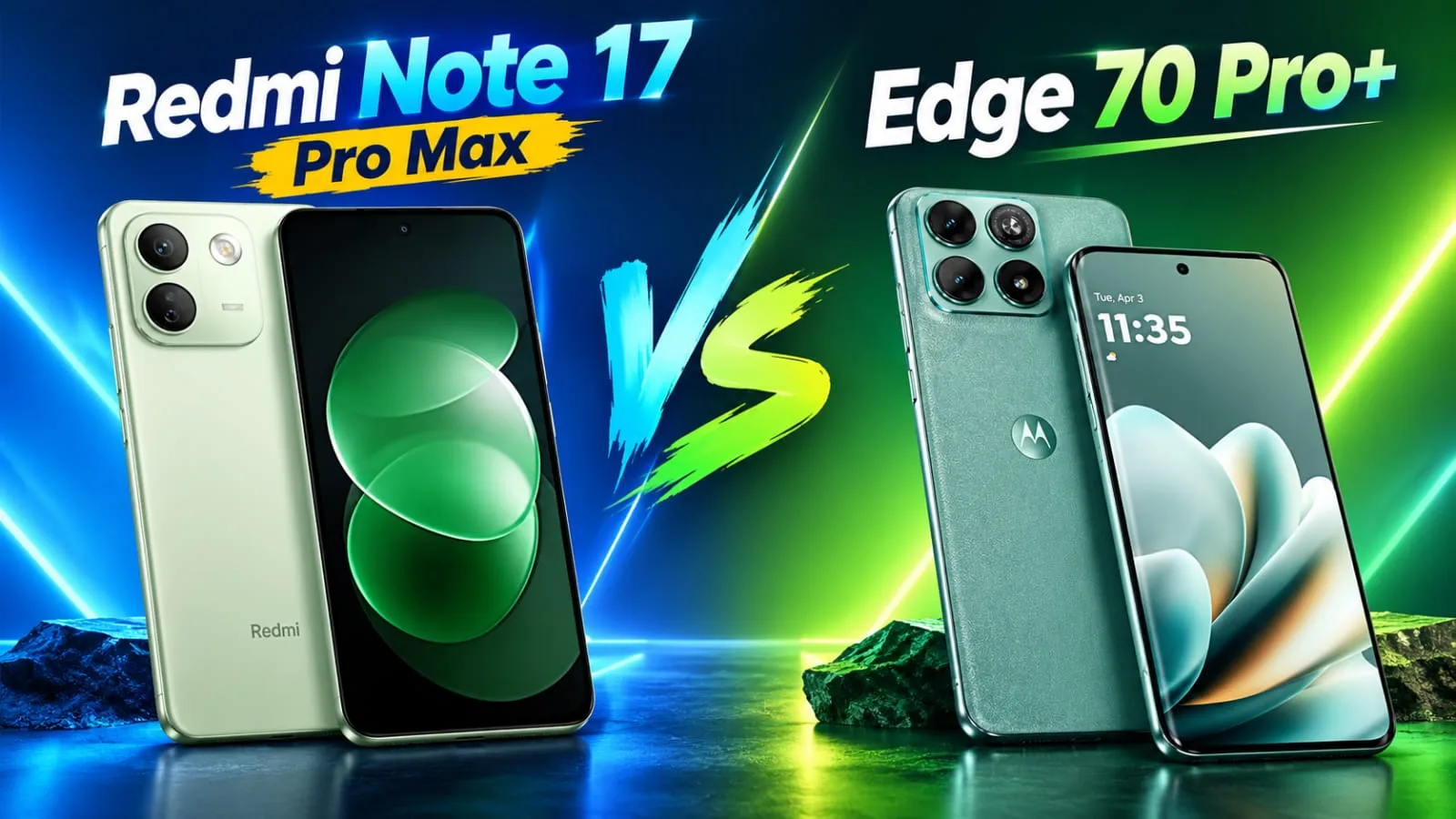
Hey buddy, picking a phone under fifty thousand rupees has actually become much more difficult than before. This year, both Redmi and Motorola have launched some amazing phones, and the debate between the Redmi Note 17 Pro Max vs Motorola Edge 70 Pro+ is heating up. In my experience, when two phones look so close on paper, the real difference shows up in everyday use, not just by looking at the specification sheet. So let’s break down this comparison honestly, feature by feature. Redmi Note 17 Pro Max vs Motorola Edge 70 Pro+ Price and Specs Overview Let’s start with the basics, since price always matters first. Redmi Note 17 Pro Max: Rs 49,999 for 8GB + 256GB, and Rs 55,999 for 12GB + 256GB Motorola Edge 70 Pro+: Rs 47,999 for the single 12GB + 256GB variant Tell me the truth, Motorola’s single-variant approach with 12GB RAM straight out of the box does feel like better value at first glance. Which Phone Has The Better Display? Now let’s talk about something you will stare at all day long. The Redmi Note 17 Pro Max comes with a 6.83-inch 1.5K AMOLED display, offering 120Hz refresh rate and peak brightness up to 3,500 nits. The Motorola Edge 70 Pro+, on the other hand, features a slightly smaller 6.8-inch AMOLED panel, but pushes the refresh rate up to 144Hz, along with an impressive 5,200 nits peak brightness. If you think as I do, higher refresh rate and brightness genuinely give Motorola an edge here, especially for gaming and outdoor visibility. Redmi Note 17 Pro Max or Motorola Edge 70 Pro+ for Gaming and Camera? This is where things get genuinely interesting, buddy. Performance for Gaming Redmi’s Note 17 Pro Max runs on the Snapdragon 6 Gen 5 chipset, which is a solid mid-range performer built for everyday tasks and casual gaming. Motorola’s Edge 70 Pro+ uses the MediaTek Dimensity 8500 Extreme, a chip generally known for stronger raw performance and better sustained gaming output. In my experience, if gaming is your priority, the Dimensity chip inside the Motorola tends to handle heavier games a bit more comfortably. Camera Comparison Here is a real-life comparison for you. Imagine zooming into a distant object during a family trip. The Redmi Note 17 Pro Max offers a 50MP f/1.5 main camera with OIS, an 8MP ultrawide lens, and a 32MP front camera. The Motorola Edge 70 Pro+ goes a step further with a triple 50MP rear camera setup, including a genuine 50MP periscope telephoto lens offering 3.5x optical zoom, something Redmi simply does not offer here. So honestly, if zoom photography matters to you, Motorola clearly wins this round. Also Read: Redmi Note 17 Pro Max: 10,000mAh Battery, Snapdragon Chip Battery Life and Charging Speed – Who Lasts Longer? Now let’s talk about something that affects your entire day. Redmi Note 17 Pro Max: Massive 10,000mAh silicon-carbon battery with 100W fast charging Motorola Edge 70 Pro+: 6,500mAh battery with 90W wired and 15W wireless charging Tell me the truth, a 10,000mAh battery is genuinely rare at this price point, and this is where Redmi Note 17 Pro Max clearly takes the lead. If you are someone who forgets to charge their phone regularly, this alone might be a deciding factor for you. However, Motorola does offer wireless charging, which Redmi skips entirely, so that is a fair trade-off worth mentioning. Build Quality and Software Support Let’s talk about durability and long-term software updates now. The Redmi Note 17 Pro Max comes with IP66, IP68, and IP69K ratings, Gorilla Glass Victus 2 protection, and Redmi’s reinforced Titan Structure. It also promises four major OS upgrades along with six years of security updates, which is genuinely impressive for this price segment. The Motorola Edge 70 Pro+ offers three years of OS upgrades and five years of security updates, which is still respectable, but slightly behind Redmi’s offering here. If you think as I do, software support really matters for people who like keeping their phone for many years, and Redmi has a clear advantage in this department. So, Which Phone Should You Actually Buy? Buddy, here comes the honest verdict you have been waiting for. Choose the Redmi Note 17 Pro Max if you want: A massive 10,000mAh battery for worry-free daily use Faster 100W charging speed Longer software update support Slightly lower starting price Choose the Motorola Edge 70 Pro+ if you want: A smoother 144Hz display with higher brightness A genuine periscope zoom camera Wireless charging support Stronger raw gaming performance In my experience, neither phone is a bad choice here. It genuinely comes down to what matters more to you personally, battery backup and longevity, or display smoothness and camera zoom. Also Read: Moto Pad 70 Goes Official: 5G, AI Tools and 10,200mAh Battery.  Final Thoughts on Redmi Note 17 Pro Max vs Motorola Edge 70 Pro+ To sum it up honestly, this Redmi Note 17 Pro Max vs Motorola Edge 70 Pro+ comparison does not have one single winner. Redmi focuses on battery life and long-term software support, while Motorola focuses on display quality and camera versatility. Now let’s talk about you. Are you someone who prioritizes battery backup, or do you lean more toward camera zoom and a smoother display? Disclaimer: This article is based on publicly available information at the time of writing. Prices, specifications, and availability may change over time. Please check official Redmi and Motorola websites or authorized retailers for the latest and most accurate details before making a purchase. Latest Post boAt CREST AI: Smart Feature, Honest Concern in 2026 Apple iPhone vs Android: What’s the Better Choice in 2026? Lava Virat Curve 5G Launches in India with Curved AMOLED and Rear Mini Display Lava Bold N4 Pro 5G Launches in India with 120Hz Display and 50MP Camera OPPO K14 Plus 5G: Exciting Launch, Confusing Price Earbuds boAt CREST AI: Smart Feature, Honest Concern in 2026 Best boAt TWS Earbuds for Music, Calls and Everyday Listening AirPods … Read more

Xiaomi MiMo-V2.6-Pro: Full Benchmark Breakdown

Xiaomi MiMo-V2.6-Pro: Full Benchmark Breakdown

Friend, if you have even a little bit of an idea about following AI news, you might know how quickly this field keeps changing. Well, here comes another big update. Xiaomi has just launched the Xiaomi MiMo-V2.6-Pro, and honestly, it has surprised many people in the AI world. From my experience, most phone and gadget companies only focus on hardware. But Xiaomi has quietly been developing serious AI models, and this latest release proves that they are not joking anymore. What Exactly Is Xiaomi MiMo-V2.6-Pro? Let’s keep this simple, buddy. MiMo-V2.6-Pro is Xiaomi’s newest and most powerful AI model, and it is completely open-weight. That basically means the model’s weights are publicly available for developers to download and use, unlike closed models where companies keep everything locked behind an API. According to independent benchmarking firm Artificial Analysis, MiMo-V2.6-Pro has become the top-ranked open-weight model in the world on its Intelligence Index, scoring 46 points. That is a massive jump from its earlier version, MiMo-V2.5-Pro, which scored only 26. Tell me the truth, that kind of improvement in just one generation is genuinely impressive. Xiaomi MiMo V2.6 Pro AI Model – What’s Under the Hood? Now let’s talk about the technical side, but I promise to keep it easy to understand. MiMo-V2.6-Pro is what is called a sparse mixture-of-experts model. In simple words, imagine a huge team of specialists, but only a few of them actually work on your specific question at a time. This makes the model powerful while still being efficient to run. Here are the key numbers you should know: Total Parameters: 1.02 trillion Active Parameters: 42 billion per response Context Window: Up to 1 million tokens Input Types: Text, images, video, and audio If you think as I do, that context window number is honestly wild. It means the model can handle extremely long conversations, documents, or coding projects without losing track of earlier details. Xiaomi MiMo V2.6 Pro 1 Trillion Parameter AI Model – Why Does Size Matter Here? You might be wondering: does having a trillion parameters actually make a difference? In this case, yes, but not in the way most people assume. The Xiaomi MiMo V2.6 Pro 1 trillion parameter AI model does not activate all its parameters at once. Instead, it smartly picks only the most relevant experts for each task, which keeps costs surprisingly low. In fact, Xiaomi prices the model at roughly $0.435 per million input tokens and $0.87 per million output tokens. Buddy, compared to many premium closed AI models, that pricing is genuinely on the cheaper side. Also Read: Can AI Tools Write High-Quality Blog Posts? Complete Guide MiMo V2.6 Pro Performance and Benchmarks – Is It Actually Good? This is the part everyone really wants to know. MiMo-V2.6-Pro performs strongly across several real-world tasks, especially coding and agent-based work. Some of its benchmark scores include a jump on DeepSWE, a tough software engineering test, along with strong results on Terminal Bench and AutomationBench. Here is an honest breakdown: Strong Areas: Coding, terminal tasks, cybersecurity testing, tool usage Comparable Performance: Roughly matches Claude Opus 5 and GPT-5.6 Sol on several agent benchmarks, according to Xiaomi’s own testing Weaker Areas: Still trails top closed models overall, and tends to produce longer, more verbose responses than needed Tell me the truth, that verbosity issue is something a lot of AI models struggle with, so MiMo-V2.6-Pro is not entirely alone here. MiMo V2.6 Pro vs Other Open AI Models – How Does It Compare? Now let’s compare it with its actual competition, since numbers alone do not tell the full story. Before this release, models like Z.AI’s GLM-5.3 and Moonshot’s Kimi K3 were sharing the top spot among open-weight models, both scoring around 44 to 45 points. MiMo-V2.6-Pro has now pushed past both of them, along with Alibaba’s Qwen3.8 Max. However, it is important to be honest here, buddy. While MiMo-V2.6-Pro leads the open-weight category, it still sits behind the very best closed, proprietary models overall. So this is a big win specifically within the open-weight space, not a claim of being the best AI model on the planet. What Makes This Model Special Beyond Just Numbers? Here is something genuinely interesting about this release. Xiaomi did not just release the model weights. They also published the full technical report, their reinforcement learning training framework, and thousands of task environments used for training. That level of openness is rare, even among companies that call their models open-weight. Additionally, Xiaomi introduced something they call “Vibe World,” where the model’s coding skills extend beyond just writing software. This includes generating 3D scenes, controlling robotic arms in simulations, and even helping build slide decks or website designs from simple text instructions. In my experience, when a company shares this much behind-the-scenes work, it usually signals genuine confidence in what they built, rather than just marketing hype. Should Developers Actually Use MiMo-V2.6-Pro? If you think as I do, this really depends on your specific needs. For developers who want strong coding and agent capabilities at a lower price, this model looks like a genuinely solid choice. It is also available through multiple platforms, including Xiaomi’s own API, Hugging Face, and OpenRouter, giving flexibility in how you access it. However, if you specifically need the absolute best performing model regardless of cost, proprietary options still hold a slight edge in certain advanced tasks. Also Read: Best AI Tools in 2026: Top 25 Free & Paid Options Final Thoughts on Xiaomi MiMo-V2.6-Pro To sum it up honestly, Xiaomi MiMo-V2.6-Pro is a genuinely strong step forward for open-weight AI models. It combines massive scale with smart efficiency, competitive pricing, and surprisingly transparent research sharing. It may not beat every closed model out there, but within the open-weight world, it currently leads the pack. Now let’s talk about you. Are you excited to try an open-weight model like this, or do you still prefer sticking with established closed AI platforms? Disclaimer: This article is based on publicly available information … Read more

boAt CREST AI: Smart Feature, Honest Concern in 2026

boAt CREST AI: Smart Feature, Honest Concern in 2026

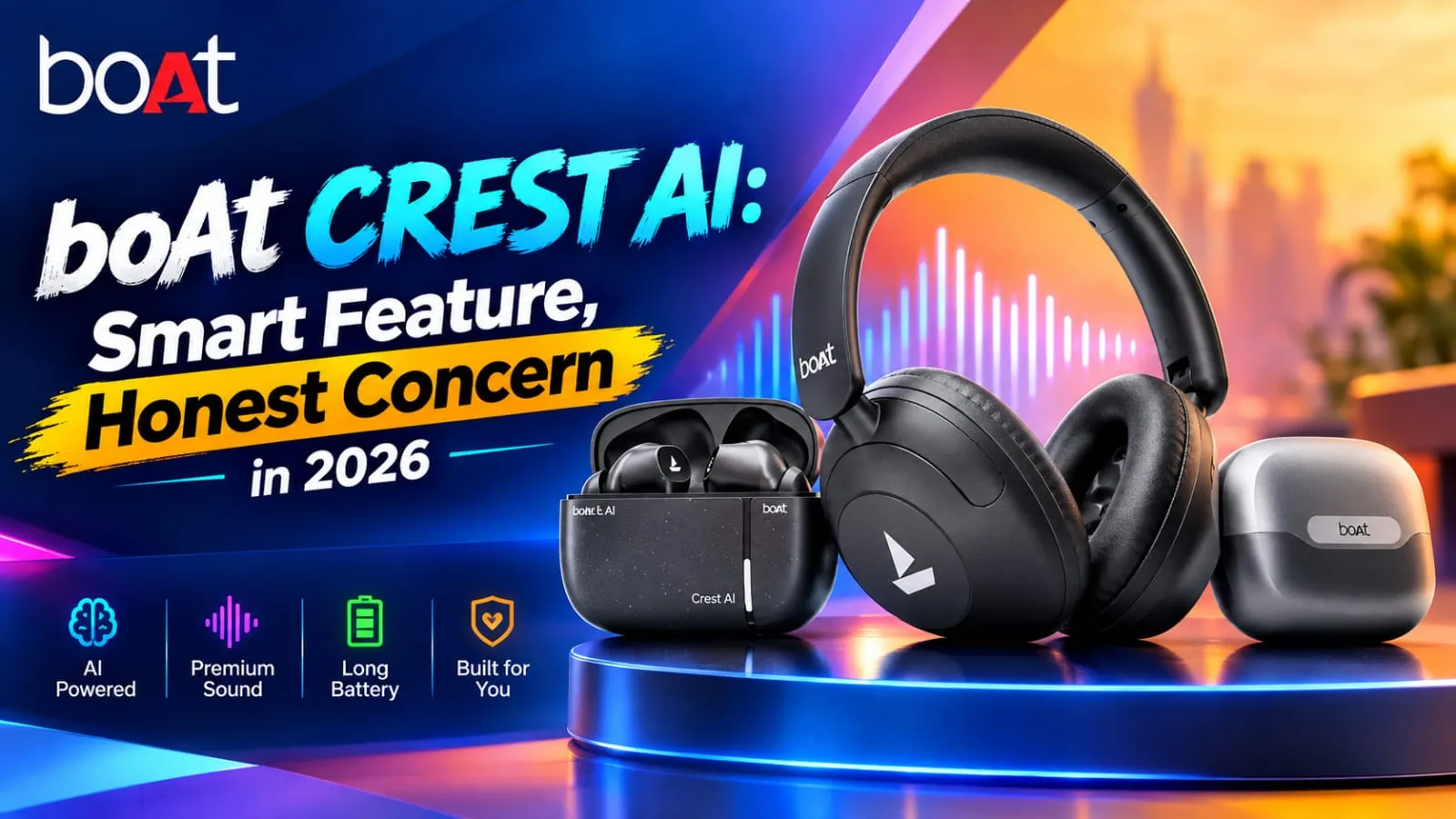
Hey buddy, if you were thinking that earbuds are only meant for listening to music, boAt has completely changed that thinking. The company has launched boAt CREST AI, and honestly, it feels very different from regular wireless earbuds, like having a little assistant sitting in your ears that can think and respond. From my experience, most TWS earbuds just focus on sound quality and battery life. However, boAt CREST AI adds a whole new layer of intelligence on top of that, and that’s exactly why this launch is worth talking about. What Exactly Is boAt CREST AI? Let’s keep this simple, buddy. boAt CREST AI is the company’s new AI-powered platform, built in partnership with Google Cloud, using the power of Google Gemini. Instead of reaching for your phone every time you need information, this platform lets your earbuds listen, understand, and respond directly through voice. boAt is calling this new approach “Intelligent Ears.” The basic idea is simpleTask completed without looking at the screen, without scrolling, and without opening the app.  You just talk, and your earbuds handle the rest. Tell me the truth: that does sound like something straight out of a sci-fi movie, except this one is actually real and available right now. boAt CREST AI Earbuds – Which Products Support It? Now let’s talk about where you can actually experience this feature. The very first product to carry this platform is the boAt Airdopes Prime 800D, which leads this new lineup. However, CREST AI doesn’t just work limited to one model. It is also available on the Airdopes Prime 701 ANC and the Nirvana Ion ANC. boAt Airdopes Prime 800D: Flagship model, launched with CREST AI boAt Airdopes Prime 701 ANC: Also supports CREST AI features boAt Nirvana Ion ANC: Another compatible option with smart AI support So basically, if you want this smart experience, you have a few different boAt TWS earbuds to pick from, depending on your budget and preference. boAt CREST AI Smart TWS Earbuds With Google Gemini – The Core Features This is honestly the most exciting part of the whole launch. CREST AI works around three main capabilities. Crest Ask – Your Conversational AI Buddy With Crest Ask, you can simply ask a question out loud and get an answer directly through your earbuds. What makes this genuinely useful is that you can continue asking follow-up questions naturally, without repeating your entire previous question again. In my experience, this feels a lot like having a quick conversation with a knowledgeable friend, rather than issuing robotic one-word commands to a basic assistant. G-Assist – Managing Your Daily Tasks G-Assist connects directly with your Google account, including Gmail, Google Tasks, and Google Calendar. This means you can check your schedule, manage reminders, or stay updated on tasks, all without unlocking your phone. However, buddy, here is something worth mentioning honestly. Since this feature works by connecting to your Google account, you will need to be comfortable sharing that access for the AI features to function properly. Crest Translate – Breaking Language Barriers The boAt CREST AI real-time translation feature, called Crest Translate, allows real-time, two-way translation across more than 25 languages. This can genuinely help during conversations with people who speak a different language, without needing to look at a translation app on your phone. Given how diverse India’s languages are, this feature honestly makes a lot of sense for the local market. Also Read: Sony WF-1000XM6: New Earbuds Mark 10 Years of 1000X Series boAt CREST AI Earbuds Price and Features 2026 Let’s talk numbers now, since that always matters. The boAt Airdopes Prime 800D, the flagship model featuring CREST AI, is priced at Rs 1,999, while the company’s website lists its original MRP at Rs 4,599. It is available in Raven Black and Royal Blue colours through Amazon India and boAt’s official website. Besides the AI features, here is what else you get with these AI-powered TWS earbuds: Sound: Dolby Audio support with 11mm dynamic drivers Battery life: Use for up to 45 hours on a single charge. Microphones: Quad-microphone setup with AI-ENx noise reduction technology Connectivity: Multipoint connectivity support Tell me the truth, under two thousand rupees for AI-powered earbuds with this kind of battery backup genuinely sounds like a strong deal. Is boAt CREST AI Actually Useful, or Just a Marketing Gimmick? Now let’s be fair here, buddy, since that is the whole point of this article. The good news is that features like Crest Ask and Crest Translate genuinely solve real everyday problems, especially for people who travel, work on the go, or simply prefer hands-free convenience. However, since G-Assist depends heavily on Google’s ecosystem, users who are not comfortable linking their Google account may not get the full experience. Also, since Gemini processes voice queries through cloud connectivity, a stable internet connection becomes necessary for these smart features to work smoothly. If you think as I do, this is a genuinely smart move by boAt to compete beyond just sound quality, but it does come with a slight dependency on Google’s services. Also Read: Best boAt TWS Earbuds for Music, Calls and Everyday Listening Final Thoughts on boAt CREST AI To wrap this up, boAt CREST AI is a genuine step forward for Indian audio brands, bringing real conversational AI, translation, and productivity tools directly into your earbuds. It is not just hype, since the core features actually work toward solving everyday problems. Now let’s talk about you. Would you actually use voice-based AI features through your earbuds daily, or do you still prefer picking up your phone for such tasks? Disclaimer: This article is based on publicly available information and sources. Information about prices, features, and availability may be updated from time to time. Please check boAt’s official website or Amazon India for the latest and most accurate details before making a purchase. Latest Post Apple iPhone vs Android: What’s the Better Choice in 2026? Lava Virat Curve 5G Launches in India with Curved AMOLED … Read more

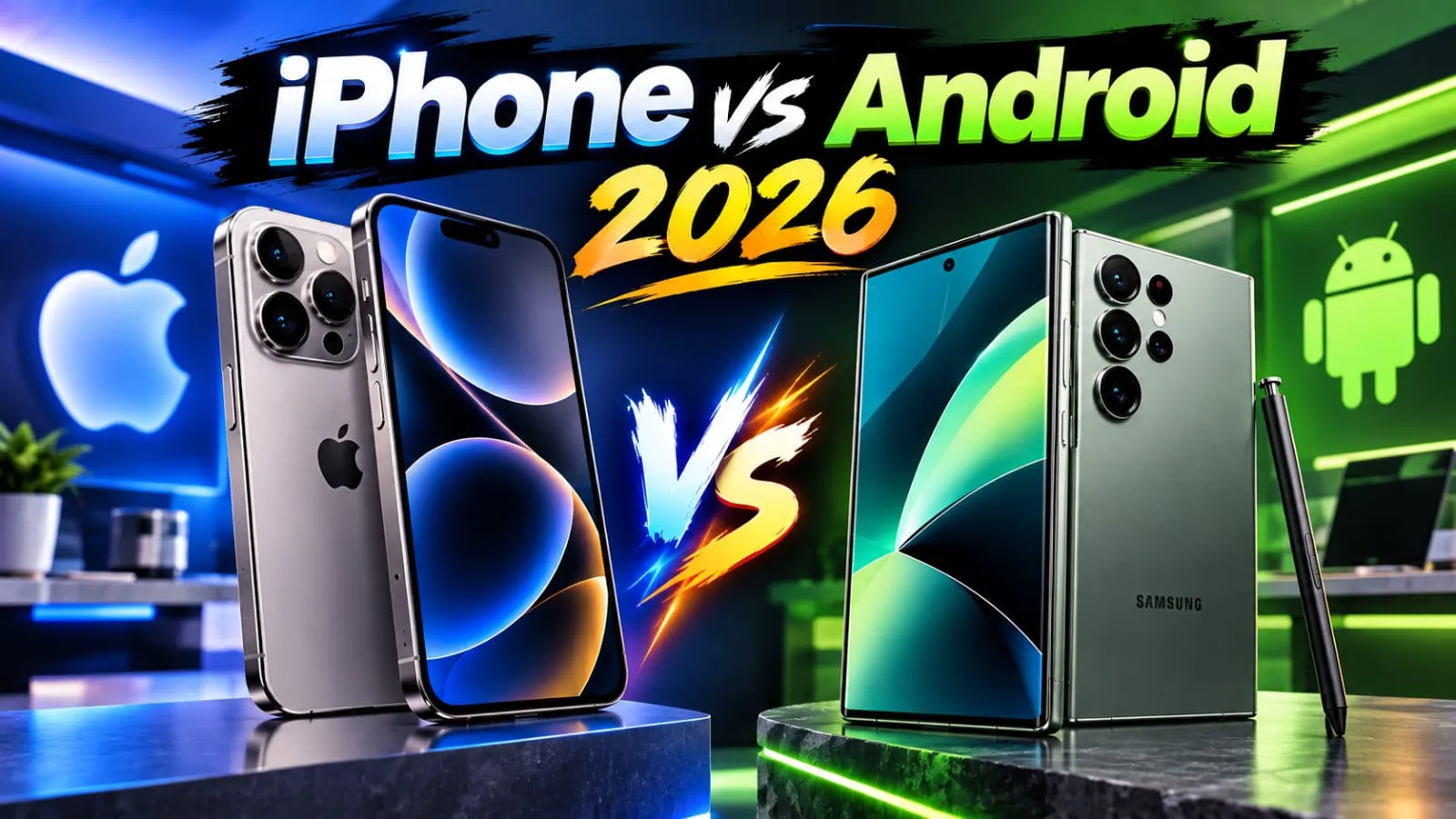
Apple iPhone vs Android: What’s the Better Choice in 2026?

iPhone vs Android 2026: Honest Comparison Guide

Hey buddy, if you’re feeling stuck this year between getting an iPhone and sticking with Android, trust me, you’re not the only one. Every year, the iPhone vs Android 2026 debate comes back, and honestly, there’s never a clear winner. In my experience, both sides have their loyal fans who truly believe their phone is the best. So, without blindly choosing a side, let’s compare things honestly and see what each offers this year and which one is better for you. iPhone vs Android 2026 – Why Is This Debate Still Alive? Tell me the truth: you have probably heard this same argument from friends and family for years now. This year, Apple launched the iPhone 18 Pro with its new A20 Pro chip, better cameras, and deeper Apple Intelligence features. On the other side, Android brands like Samsung, Google, Xiaomi, and OnePlus have pushed out flagships with massive batteries, faster charging, and powerful AI tools of their own. So basically, both platforms have leveled up significantly, which honestly makes the iPhone vs Android comparison 2026 even more interesting than before. iPhone vs Android Price and Features in USA and India Now let’s talk about something practical: your budget. In the USA, the iPhone 18 Pro starts around $1,199, which is genuinely expensive for most regular buyers. Meanwhile, Android flagships like the Samsung Galaxy S26 series or Google’s Pixel lineup often offer similar or even better specifications at a slightly lower starting price. In India, the story is quite similar. Apple’s iPhones sit firmly in the premium segment, while Android gives you options at nearly every price point, from budget phones under Rs 15,000 to flagship killers competing directly with Apple. iPhone: Fewer models, but consistent quality across the lineup Android: Huge variety, from ultra-budget to ultra-premium options If you think as I do, this is where Android genuinely wins for buyers who want more choices within their budget. iOS vs Android 2026 – Which Software Feels Better? This part usually comes down to personal preference, buddy. iOS remains a closed, tightly controlled ecosystem. Apple keeps things simple, secure, and consistent across devices. iPhones also receive software updates for around five to six years, which is genuinely one of Apple’s biggest strengths. Android, on the other hand, offers far more customization. You can change launchers, tweak settings deeply, and personalize your phone in ways Apple simply does not allow. Here is an honest comparison: iOS Pros: Long software support, smoother security patches, consistent experience iOS Cons: Limited customization, higher repair costs Android Pros: More customization, wider hardware options, competitive pricing Android Cons: Update timelines vary a lot between brands In my experience, if you like things simple and consistent, iOS feels comforting. If you enjoy control over every little setting, Android feels more like home. Also Read: iPhone Duo vs Galaxy Z Fold 8: Price War Explained iPhone vs Android Camera, Battery and Performance Comparison Now let’s get into the technical side that actually affects daily use. Camera Performance The iPhone 18 Pro brings a 48MP Fusion Main camera with variable aperture, giving photographers better control over depth and low-light shots. However, Android flagships like the Samsung Galaxy S26 Ultra come with a massive 200MP camera sensor, which technically offers more detail in ideal conditions. Tell me the truth: more megapixels do not always mean better photos, since software processing plays a huge role too. Both platforms genuinely take excellent photos in good lighting, and the real difference mostly shows up in extreme low light or heavy zoom situations. Battery Life This is honestly one area where Android often pulls ahead. Some Android flagships now pack batteries as large as 7,500mAh, compared to Apple’s more modest battery capacities. However, Apple compensates with tighter software optimization, so real-world battery backup often feels closer than the raw numbers suggest. Performance Apple’s custom chips have traditionally led in raw processing power, and the new A20 Pro chip continues that trend. However, Android flagships using chips like Snapdragon 8 Elite Gen 5 or Dimensity 9500 have closed the performance gap significantly, especially for gaming and multitasking. Which One Should You Actually Buy in 2026? If you think as I do, the real answer depends entirely on what matters most to you personally. Choose iPhone if you want: Long-term software updates A simple, consistent user experience Strong resale value Deep integration with other Apple devices Choose Android if you want: More budget flexibility Greater customization options Bigger batteries and faster charging More hardware variety to choose from In my experience, most people who already own other Apple devices tend to stick with iPhone for the smooth ecosystem experience. Meanwhile, people who love trying new features and want more value for their money often lean toward Android. Also Read: Apple iPhone 18 Event Tonight: Pro, Pro Max, Foldable iPhone Duo Final Thoughts on iPhone vs Android 2026 To sum it up honestly, this iPhone vs Android 2026 debate does not really have one universal winner. Apple offers a polished, secure, and long-lasting experience, while Android offers flexibility, variety, and often better value for money. Now let’s talk about you. Are you team iPhone for the smooth ecosystem, or team Android for the freedom and choices it gives you? Disclaimer: This article is based on publicly available information and general market trends at the time of writing. Prices, specifications, and features may vary by region and change over time. Please check official Apple and Android manufacturer websites for the latest and most accurate details before making a purchase. Latest Post Apple iPhone vs Android: What’s the Better Choice in 2026? Lava Virat Curve 5G Launches in India with Curved AMOLED and Rear Mini Display Lava Bold N4 Pro 5G Launches in India with 120Hz Display and 50MP Camera OPPO K14 Plus 5G: Exciting Launch, Confusing Price Upcoming Android Flagships 2026: Powerful Cameras Ahead Earbuds Best boAt TWS Earbuds for Music, Calls and Everyday Listening AirPods 5 Launched in India with ANC and Siri AI: Price and … Read more

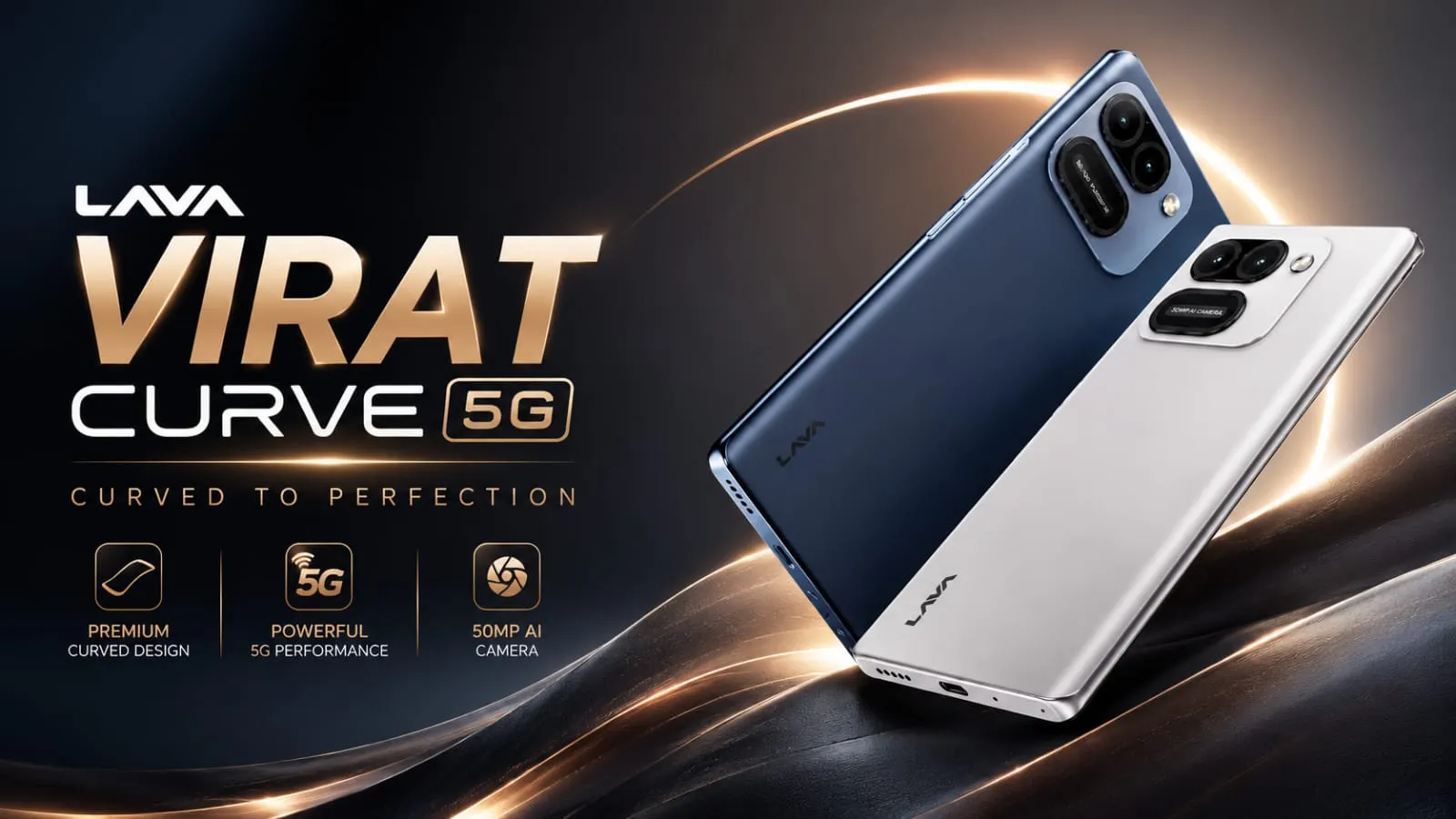
Lava Virat Curve 5G Launches in India with Curved AMOLED and Rear Mini Display

Lava Virat Curve 5G: Unique Look, Bold Choice

Hey buddy, Lava has been making quite a splash recently, hasn’t it? Just when we got used to the Virat V1 series, the company has now launched the Lava Virat Curve 5G in India for Lava lovers, and it has some really eye-catching features. In my experience, most budget and mid-range phones look quite similar from the back. However, this phone tries to do something different with its curved design and small rear screen, which immediately sets it apart in a crowded market. Lava Virat Curve 5G Price in India – What Will It Cost You? Let’s talk numbers first, since that is usually the deciding factor for most of us. The phone comes in a single 6GB RAM and 128GB storage variant, priced at Rs 23,999. However, as part of a launch offer, buyers can get it for an effective price of Rs 19,999 with applicable bank offers, saving a solid Rs 4,000. Price: Rs 23,999 (Rs 19,999 with bank offers) Sale Date: September 28, 2026, at 7 PM Availability: Exclusively on Flipkart Colors: Makrana Ivory, Heritage Indigo, and Elora Slate have been given Tell me the truth, under twenty thousand rupees for a curved AMOLED phone does sound like a good deal on paper. Lava Virat Curve 5G Curved AMOLED Display – How Good Is It? Display Quality and Refresh Rate Now let’s talk about the star feature of this phone. The Lava Virat Curve 5G curved AMOLED display measures 6.67 inches with FHD+ resolution, a smooth 120Hz refresh rate, and peak brightness going up to 1,100 nits. That brightness level should handle outdoor sunlight fairly well, which is genuinely good news for daily use. The screen curves on both the front and rear panels, which Lava claims gives a more comfortable grip while holding the phone. In my experience, curved displays do feel nice in hand, though they can sometimes be a little more prone to accidental touches near the edges. The Rear Mini Display Explained The Lava Virat Curve 5G rear mini display sits right next to the camera module. It shows useful information like call alerts, music controls, battery percentage, time, and even custom text or emojis, all without needing to unlock the main screen. Honestly, this reminds me of flip phones from years back that had small screens outside for quick glances. It is a smart way to check basic details without draining the main display’s battery. Also Read: Lava Bold N4 Lite: New Budget Phone Coming Soon Lava Virat Curve 5G Specifications – Performance and Camera Processor and Software The phone runs on the MediaTek Dimensity 7100 chipset, paired with 6GB RAM and 128GB storage. It comes with Lava’s Vayu AI features and runs on clean Android 16 software, which should feel smooth without unnecessary bloatware. Camera Setup For photography, the Lava Virat Curve 5G features a 50MP Sony IMX752 main rear sensor, along with a 13MP front camera for selfies and video calls. However, buddy, I want to be fair here. A good sensor number does not always guarantee great low-light performance, so daylight shots should look sharp, but night photography might need some patience. Lava Virat Curve 5G Battery, Build and Durability This is where things get genuinely impressive. Battery: 6,000mAh Charging: 45W fast charging Build: Vegan leather finish on the back. Durability: IP64 rating plus MIL-STD-810H military-grade toughness A 6,000mAh battery with 45W charging is a strong combination, especially if you are someone who is constantly on calls, streaming videos, or gaming through the day. Should You Buy Lava Virat Curve 5G? If you think as I do, this phone makes sense for someone who wants a unique design, strong battery life, and a smooth curved display, without spending too much money. However, if the rear mini display and curved screen do not excite you personally, you might find similar core specifications in other phones from Lava’s own lineup, like the Virat V1 Pro 5G, at a noticeably lower price. Also Read: Lava Bold N4 Pro 5G Launches in India with 120Hz Display and 50MP Camera Final Thoughts To sum it up, the Lava Virat Curve 5G brings a genuinely different design to the sub Rs 20,000 segment, combining a curved AMOLED screen, a handy rear mini display, and solid battery backup. It is not a flagship killer, but for everyday use with a bit of style, it looks like a smart pick. Now let’s talk about you. Are you excited about the rear mini display, or do you think it is just a gimmick? Disclaimer: This article is based on information available at the time of writing. Prices, availability, and specifications may change. Please check Lava’s official website or Flipkart for the latest and most accurate details before making a purchase. Latest Post Lava Virat Curve 5G Launches in India with Curved AMOLED and Rear Mini Display Lava Bold N4 Pro 5G Launches in India with 120Hz Display and 50MP Camera OPPO K14 Plus 5G: Exciting Launch, Confusing Price Upcoming Android Flagships 2026: Powerful Cameras Ahead iQOO Pad Ultra: Amazing Specs or Hidden Drawbacks in 2026? Earbuds Best boAt TWS Earbuds for Music, Calls and Everyday Listening AirPods 5 Launched in India with ANC and Siri AI: Price and Features  CMF Buds Neo: How Good Is the Sound Quality? Laptops Best Laptops Under 70000 in 2026: Top Picks for You HP Victus AI AMD Ryzen 7 Laptop: Gaming Features Revealed Acer Aspire 15 Lite Laptop: Display, Performance, Battery & Price FAQ’s What is the price of Lava Virat Curve 5G in India? Lava Virat Curve 5G is priced at Rs 23,999, but buyers can get it for an effective Rs 19,999 with bank offers on Flipkart. When will Lava Virat Curve 5G go on sale? The phone goes on sale starting September 28, 2026, at 7 PM, exclusively through Flipkart in three colour options. What does the rear mini display on Lava Virat Curve 5G do? It shows time, battery status, call alerts, music controls, and custom text … Read more

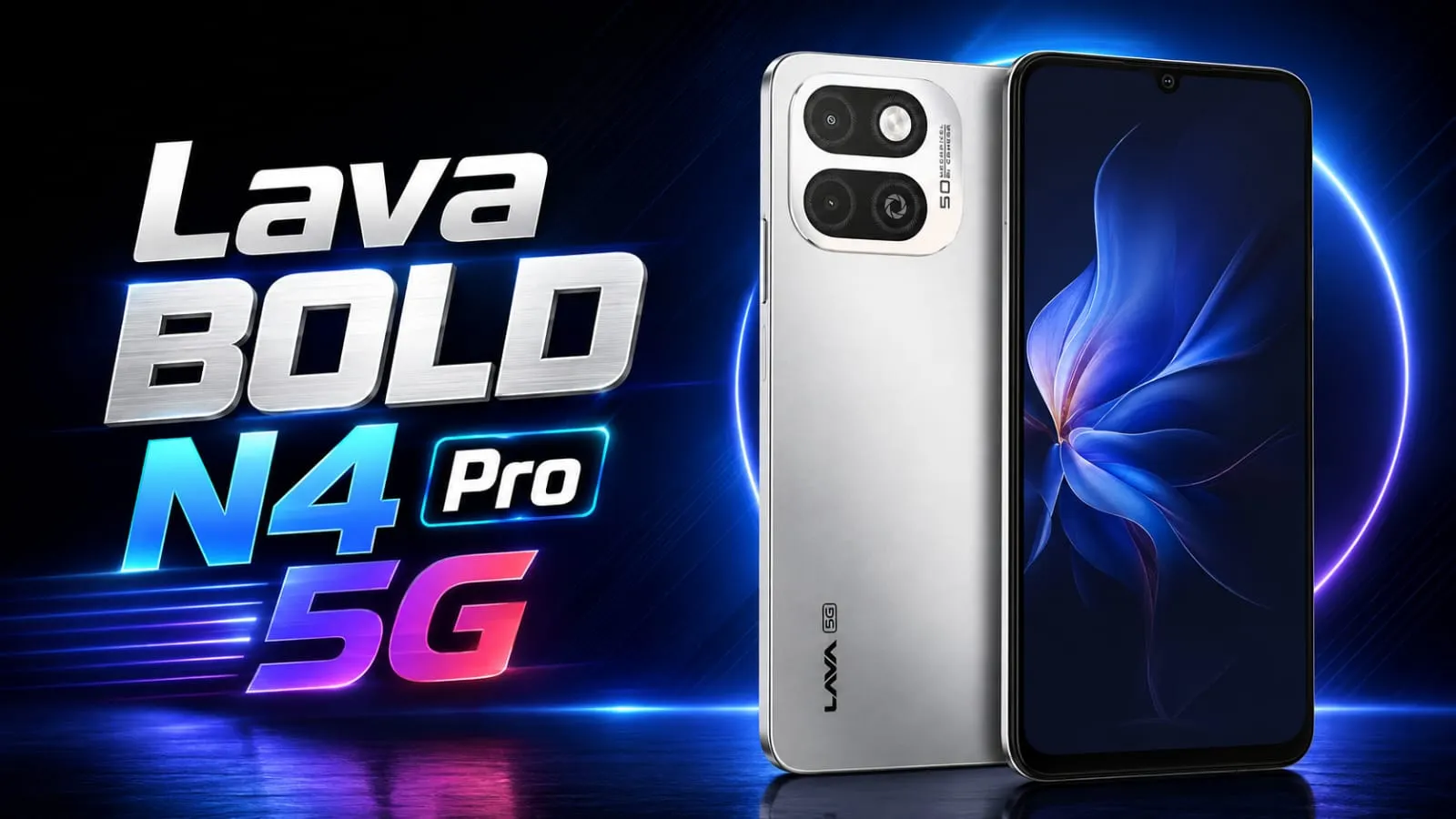
Lava Bold N4 Pro 5G Launches in India with 120Hz Display and 50MP Camera

Lava Bold N4 Pro 5G: Budget King or Big Letdown?

Hey friend, if you’re looking for a budget phone that includes features like a big battery and a smooth display, you should know about the Lava Bold N4 Pro 5G. Lava has just brought this phone to India, and honestly, at this price, it seems like quite a solid package. In my experience, budget phones usually compromise on some feature somewhere, either the display or the battery. Now the real question is whether this phone really lives up to expectations or if its features are just limited to paper. Lava Bold N4 Pro 5G Price in India – Is It Worth The Money? Let’s start with the number everyone wants to know. The Lava Bold N4 Pro 5G price is set at Rs 13,999 for the only available variant, which comes with 6GB RAM and 128GB storage. Lava has called this a special introductory launch price, so it might not stay the same forever. Price: Rs 13,999 Sale Date: September 26, 12:00 PM Availability: Exclusively on Amazon India Colours: Monaco Blue and Opulent Lilac Tell me the truth, under fourteen thousand rupees for a 5G phone with these specs does sound tempting. Lava Bold N4 Pro 5G Specifications – What’s Actually Inside? Now let’s talk about what really matters: the hardware. The phone runs on the Unisoc T8200 processor, a 6nm octa-core chip with a Mali-G57 MC2 GPU, paired with 6GB of physical RAM. Lava has also added virtual RAM support, which can extend it up to 12GB, which is honestly a nice touch for a budget device. Storage is fixed at 128GB, but you can expand it further using a microSD card slot, which is always helpful when you download a lot of apps or click a lot of photos. Lava Bold N4 Pro 5G 120Hz Display – How Good Is The Screen? If you spend most of your day scrolling on your phone like me, you will care about this part a lot. The Lava Bold N4 Pro 5G 120Hz display comes with a 6.75-inch HD+ LCD panel and can reach up to 550 nits of brightness. That should be enough for regular indoor use, though outdoor visibility under direct sunlight may still feel average, since this is not an AMOLED panel. In my experience, a 120Hz screen makes even simple tasks like scrolling Instagram or switching apps feel noticeably smoother, so this is a genuine plus point here. Lava Bold N4 Pro 5G 50MP Camera – Good Enough For Daily Photos? Now let’s talk about the camera setup, since that is usually a big deciding factor for most buyers. The phone features a 50MP AI-backed primary rear camera along with a secondary sensor and LED flash. It also supports 2K video recording, which is a nice surprise at this price point. For selfies, there is an 8MP front camera. However, buddy, I want to be honest here. Budget phones with a 50MP sensor often struggle a little in low light. So while daylight shots should look decent, do not expect flagship-level night photography from this one. Also Read: Can AI Tools Write High-Quality Blog Posts? Complete Guide Battery and Software – Will It Last You The Whole Day? This is where the Lava Bold N4 Pro 5G genuinely shines. Battery: 6,000mAh Charging: 18W OS: Android 16 out of the box Durable build: Protection from dust and light splashes of water with an IP64 rating A 6,000mAh battery is quite generous for this price segment, and if you are someone who hates charging your phone twice a day, this could be a good real-life comparison point against other phones in the same range. The 18W charging speed is not super fast, but it gets the job done without heating up the device too much. Should You Buy Lava Bold N4 Pro 5G? If you think as I do, this phone makes the most sense for someone who wants strong battery backup, a smooth 120Hz display, and clean Android software, without spending a lot of money. However, if camera performance in low light is your top priority, you might want to compare it with other options before deciding. Final Thoughts To sum it up, the Lava Bold N4 Pro 5G brings a good mix of display quality, battery life, and 5G connectivity at a genuinely attractive price. It is not perfect, especially in low-light photography, but for everyday use, it looks like a solid budget pick. Now let’s talk about you. Are you planning to grab this one on September 26, or are you still comparing it with other budget 5G phones? Disclaimer: This information is based on sources available at the time the article was prepared. It may change over time. Prices, availability, and specifications may change. Please check Lava’s official website or Amazon India for the latest and most accurate details before making a purchase. Latest Post Lava Bold N4 Pro 5G Launches in India with 120Hz Display and 50MP Camera OPPO K14 Plus 5G: Exciting Launch, Confusing Price Upcoming Android Flagships 2026: Powerful Cameras Ahead iQOO Pad Ultra: Amazing Specs or Hidden Drawbacks in 2026? Best boAt TWS Earbuds for Music, Calls and Everyday Listening Earbuds Best boAt TWS Earbuds for Music, Calls and Everyday Listening AirPods 5 Launched in India with ANC and Siri AI: Price and Features  CMF Buds Neo: How Good Is the Sound Quality? Laptops Best Laptops Under 70000 in 2026: Top Picks for You HP Victus AI AMD Ryzen 7 Laptop: Gaming Features Revealed Acer Aspire 15 Lite Laptop: Display, Performance, Battery & Price FAQ’s What is the price of Lava Bold N4 Pro 5G in India? Lava Bold N4 Pro 5G is priced at Rs 13,999 for the 6GB RAM and 128GB storage variant, available exclusively on Amazon India. When will Lava Bold N4 Pro 5G go on sale? The phone will go on sale starting September 26 at 12:00 PM, exclusively through Amazon India, in two colour options. Does Lava Bold N4 Pro 5G have a good display? … Read more