
Tech all rounder

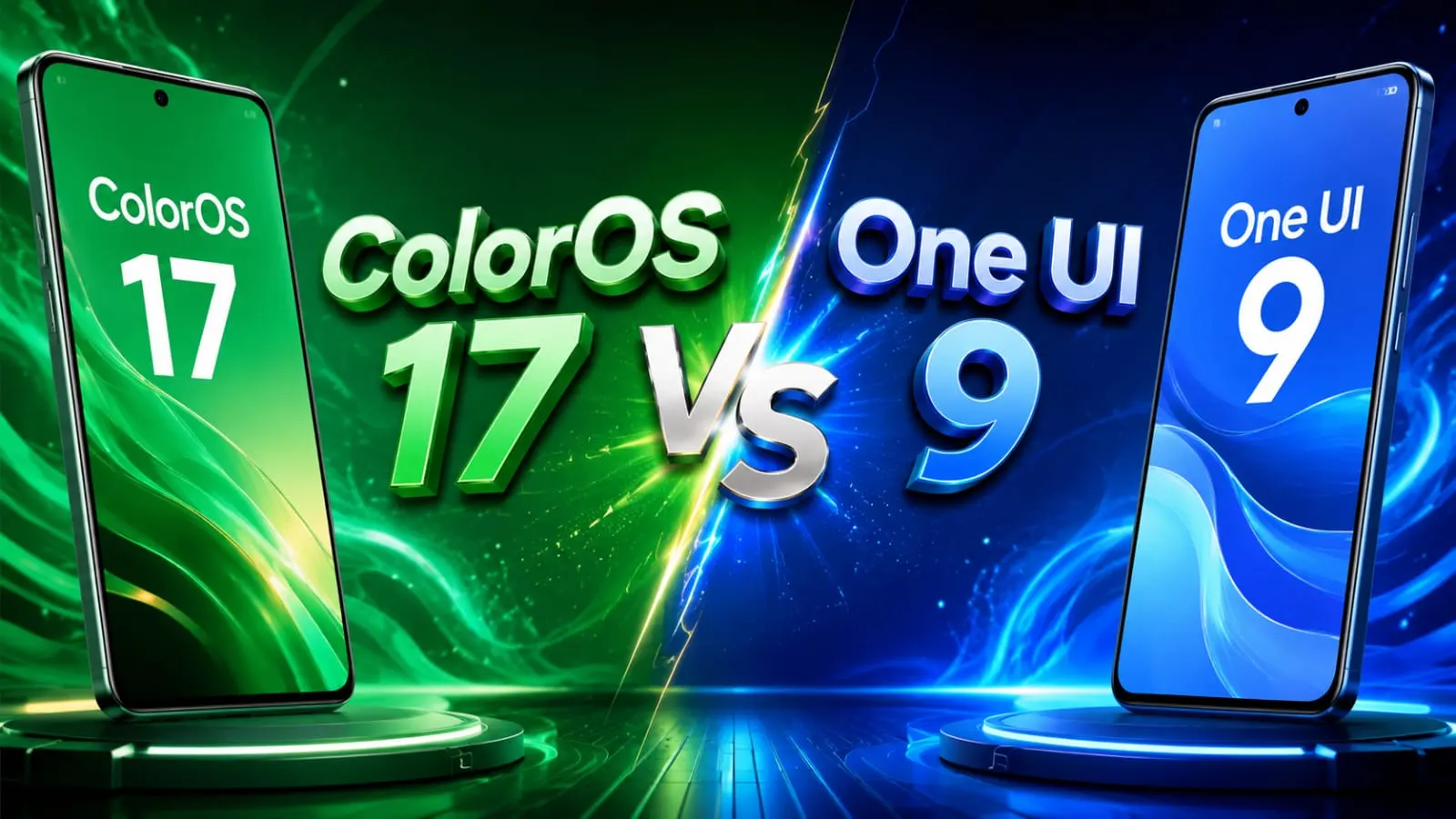
ColorOS 17 vs One UI 9: Shocking AI Battle 2026
ColorOS 17 vs One UI 9: Shocking AI Battle 2026

Friend, if you are getting confused between ColorOS 17 vs  One UI 9, you are not alone. This year, both OPPO and Samsung are focusing on AI, and picking the right one can seem a bit tricky. In this article, I’ll explain everything in simple words, just like I’m explaining to a friend over tea. By the end, you’ll definitely know which one is right for your phone needs. Highlights One UI 9 is already rolling out as a stable build, while ColorOS 17 is still in closed beta. One UI 9 wins on AI tools you can actually use today. ColorOS 17 feels smoother on mid-range phones thanks to its new rendering engine. Samsung offers a longer update promise compared to OPPO. Now let’s talk about each part one by one. What Is New In ColorOS 17 Design? OPPO calls the new look “liquid acrylic.” In my experience, this style focuses on soft, glass-like elements that feel light on the eyes. Tell me the truth, don’t you get tired of heavy, cluttered screens? ColorOS 17 tries to fix that with a cleaner layout and smoother animations, powered by OPPO’s new Luminous Rendering Engine. This engine is built to make even budget and mid-range phones feel fast. So, if you own a OnePlus or Realme phone, you will likely feel snappier scrolling and app switching once ColorOS 17 lands on your device. How Does One UI 9 Look And Feel? Samsung has always focused on one-handed use, and One UI 9 continues that habit. Interactive buttons and menus sit in the lower half of the screen, so even big Galaxy phones feel easy to hold and use. If you think as I do, this small design choice makes a big daily difference, especially when you are using your phone on a busy train or auto ride. One UI 9 also brings extra personalization through Good Lock, letting you tweak icons, themes, and multitasking windows however you like. ColorOS 17 vs One UI 9 AI Features: Who Wins? This is the section most people care about. Samsung’s AI tools in One UI 9 are already shipping and working right now on supported Galaxy phones. You get agentic AI features that can complete small tasks for you, smart writing help, and cross-device AI that connects your phone, tablet, and watch together. ColorOS 17, on the other hand, is still mostly in the promise stage. OPPO has shared its AI vision, but since the software is in closed beta, most features are not fully testable yet by normal users. So honestly, if AI features are your top priority, One UI 9 AI features currently have a clear head start over ColorOS 17. Also Read: Can AI Tools Write High-Quality Blog Posts? Complete Guide Battery Performance: Which One Saves More Juice? Now, let’s be honest here, because I know battery life matters to almost everyone. ColorOS 17’s liquid acrylic design uses a lighter refraction style, which reportedly helps save some battery while keeping the screen easy to read. One UI 9 focuses more on smart background management and app optimization to stretch battery life across a full day. In my experience testing similar Android skins in the past, both approaches work well, but real battery results always depend on your phone’s hardware, not just the software skin. ColorOS 17 vs One UI 9 Design And Features: A Simple Comparison Feature ColorOS 17 One UI 9 Availability Closed beta Stable rollout Design style Liquid acrylic, minimal One-handed, customizable AI Tools Announced, limited testing Live and usable now Update Promise Shorter Up to 7 years on flagships Best For Mid-range smoothness Long-term ecosystem users ColorOS 17 vs One UI 9 Android 17 Comparison Both skins are expected to build on top of Android 17, which itself brings small but useful changes under the hood. However, since Samsung started testing earlier and pushed a stable build first, One UI 9 currently feels more polished and ready for daily use. ColorOS 17 is still catching up, with eligible devices like the Find X9 Pro series, OnePlus 15, and Realme GT 8 Pro testing it in limited numbers. Also Read: Best AI Tools in 2026: Top 25 Free & Paid Options ColorOS 17 vs One UI 9: Which Is Better For You? Here is my honest take, buddy: Choose ColorOS 17 if you already own an OPPO, OnePlus, or Realme phone and enjoy fast, smooth animations. Choose One UI 9 if you want working AI features today, a bigger ecosystem, and longer software support. If you are still deciding which phone to buy, it may be smarter to wait for the stable ColorOS 17 release before making a final call, since right now One UI 9 is simply more tested and reliable. Final Thoughts Both ColorOS 17 vs One UI 9 are trying to make Android smart and smooth, just in different ways. In my opinion, choosing software should always be based on how you personally use your phone-whether heavily or normally-rather than which brand is making the most noise about AI. Take your time, compare according to your daily habits, and pick the one that actually feels right for you. Disclaimer This article is based on publicly available information and beta reports available at the time of writing. Features, rollout dates, and device eligibility for ColorOS 17 may change once the stable version is officially released. Please check your device manufacturer’s official update page for the latest confirmed details. Latest Post ColorOS 17 vs One UI 9: Shocking AI Battle 2026 Xiaomi Xring O3: Big Power Boost or Major Disappointment? Lava Bold N4 Lite: New Budget Phone Coming Soon Honor Robot Phone vs iPhone 17 Pro Max: Camera Battle  HONOR Robot Phone Launched: 200MP Gimbal Camera With AI Features Earbuds Apple AirPods vs Samsung Galaxy Buds: Best Choice in 2026? POVA AI Buds Pro Launch: AI Recording, Powerful ANC  Best iQOO Buds Features & Unexpected Downsides in 2026 Laptops Acer 2026 Laptops: Amazing Features, Hidden Issues Revealed … Read more
Oppo ColorOS 16.1: Impressive Yet Not Revolutionary

Oppo ColorOS 16.1: Impressive Yet Not Revolutionary

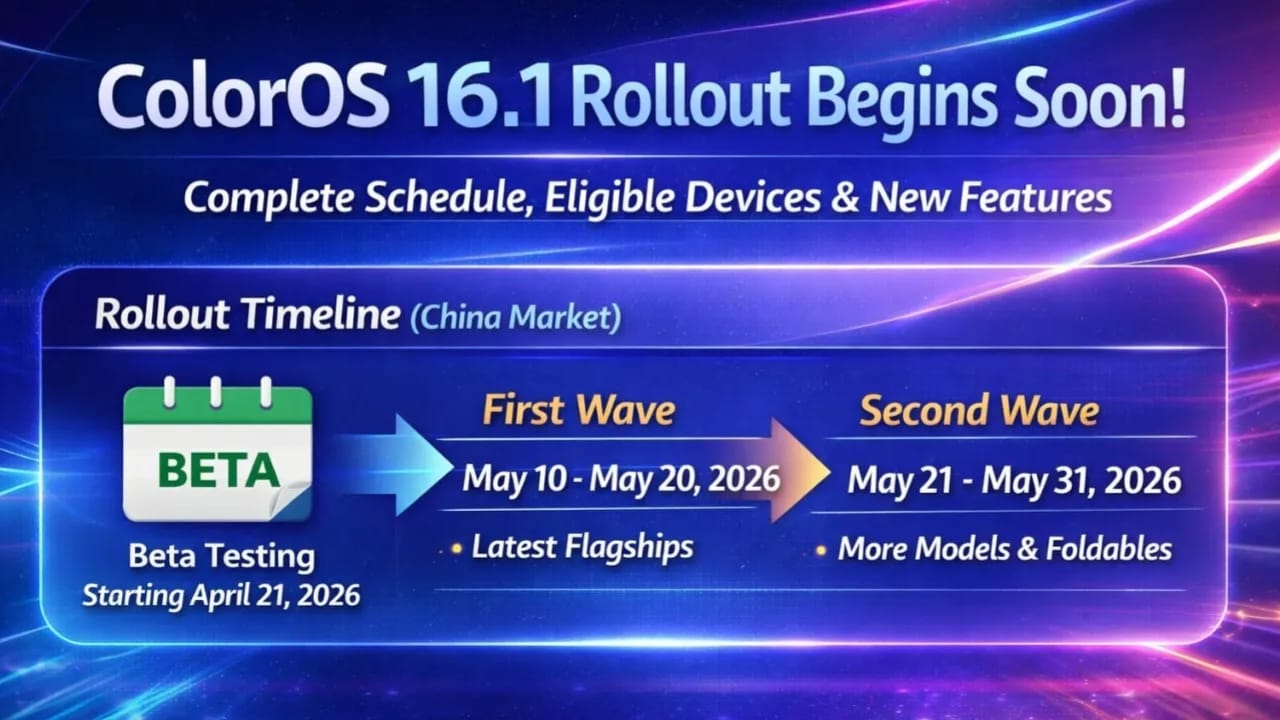
Oppo has announced the official rollout plan for its ColorOS 16.1 update, based on Android 16. This version makes the interface more attractive and responsive while also adding useful smart features that users use every day. Rollout Timeline in China Market – April 2026 Update Beta Testing: The application has been open for early access for a while and will close on April 17, 2026. I expect selected users on top flagships to receive the beta around April 21, 2026.Stable Version: First Wave (May 10 to May 20, 2026): I expect the newest and most premium devices will be covered first in this phase. Second Wave (May 21 to May 31, 2026): A wider rollout will be conducted for additional flagship, foldable, and mid-range models. The schedule mentioned in this article is for the Chinese market, and a global rollout, including India, is expected to occur a few weeks later – if leaks are to be believed, it could begin in late May or early June 2026, depending on your region and device variant. Updates tend to arrive gradually, so even after the official window opens, users need to be patient. Eligible Devices (Confirmed for Stable Rollout) Eligible Devices (Confirmed for Stable Rollout) Oppo and OnePlus have released the update for over 20 smartphones: First Wave (May 10–20): OnePlus Ace 6 Collection and OnePlus Turbo 6 Lineup Oppo’s Find X9, Find X8, and Find X8s smartphone series OnePlus 15 Series, OnePlus 13 Series Oppo Find N6 and Find N5 (Foldable) Oppo Pad 4 Pro OnePlus Tablet 2 Pro Second Wave (May 21–31): Reno 14 Pro Series, Oppo Reno 15 Series Oppo K15 Series, K13 Turbo Pro Oppo Find X7 Series Oppo Pad 5 Additional OnePlus models from previous series (final list subject to change) If your device is the latest flagship or high-end foldable, you have an even better chance of getting it in the first wave. Mid-range and older flagships are expected to arrive in the second wave or later in the global phase. Regularly check your phone’s Settings > About Phone > System Updates for updates. Also Read :  iPhone 17 Complete Information – Is It Worth Buying? What’s new in ColorOS 16.1? What’s new in ColorOS 16.1? ColorOS 16.1 isn’t just a single update—it includes a host of features that improve the lock screen and animations and make everyday use even easier. Smart Lock Screen Island / Live Activities Bar: A new pill-shaped or capsule-like area at the bottom of the lock screen that displays real-time information. It handles playback, flashlight, calls, navigation, music, time, and more in a compact, easily visible way. This design is inspired by the modern Dynamic Island concept but seamlessly integrated into ColorOS. The lock screen media player is now even better with an updated music widget: with the updated music widget, album artwork stands out more, and lyrics can be viewed directly on the lock screen or always-on screen. Smoother Animations and Transitions: The engine upgrade makes every system movement (scrolling, app switching, and interface) visible, further enhancing the user experience. Notification Improvements: Notifications are now displayed neatly on a single screen, reducing unnecessary information. Camera Interface Refresh: The camera UI has been redesigned to make modes and settings quicker and easier to access. AI and Performance Polishing: Additional AI-based features to improve smart interactions, reduce heating during extended use, and provide stable performance. Slightly increased power efficiency during extended use. Many initial impressions show how these lock screen changes make the phone feel more fresh and intelligent, without making things overly complicated. Tips for a Smooth Update Experience (Especially for Indian Users) Ensure your phone has at least 50% battery, is connected to stable Wi-Fi, and has plenty of free storage (around 5–8 GB is recommended). Back up important data before updating. Flagship users (Find X series or OnePlus 13/15) may see this soon. If you have a Reno or K-series device, expect this feature to arrive around the second wave or a little later in the global rollout. Realme smartphones with the same software may receive a parallel Realme UI update, but it may release at different times. ColorOS 16.1 continues Oppo’s move towards a cleaner, more responsive experience with thoughtfully designed smart elements. While the company is already working on future Android versions in the background, this 16.1 update delivers immediate daily improvements. Final Verdict ColorOS 16.1 is coming with a polish-focused update—it might not look like a big deal, but it has the potential to make everyday use feel smoother, smarter, and more modern. For users who prefer a clean UI and improved performance, this could definitely be a useful upgrade. It hasn’t hit the market yet. Once it does, we’ll definitely hear about its features through some means. All the information above is based on leaks. Also Read : Samsung Galaxy S26 Ultra 5G: 5000mAh battery, Snapdragon 8 Elite Gan 5, 200MP Camera. Pros of ColorOS 16.1 & Cons     Pros of ColorOS 16.1 Smoother & Faster Performance – animations, scrolling, app switching more fluidSmart Lock Screen Island – real-time updates for music, calls, timer, navigation Improved Camera UI – cleaner, faster, and premium-looking interface Better Notification Management – stacked notifications for clutter-free view Enhanced Music Lock Screen – album art + lyrics support AI Smart Features – better suggestions and system optimization Refined Premium Design – smoother transitions, transparency, modern UI   Cons of ColorOS 16.1 Minor Upgrade – not a major or revolutionary update Inspired Design – some UI elements look similar to iOS / One UI Possible Bugs – early builds may have glitches or stability issues Slow Rollout – update may arrive late on some devices Device Limitations – some features only on high-end phones Adjustment Time – new UI changes may take time to get used to Latest Post Oppo ColorOS 16.1: Impressive Yet Not Revolutionary ByThe Legend | April 21, 2026 | Read More Snapdragon 7 Gen 4 vs 7s Gen 4: Big Difference Explained! ByThe Legend | … Read more