Tech all rounder

New Mac Mini and Mac Studio: Big AI Power Boost
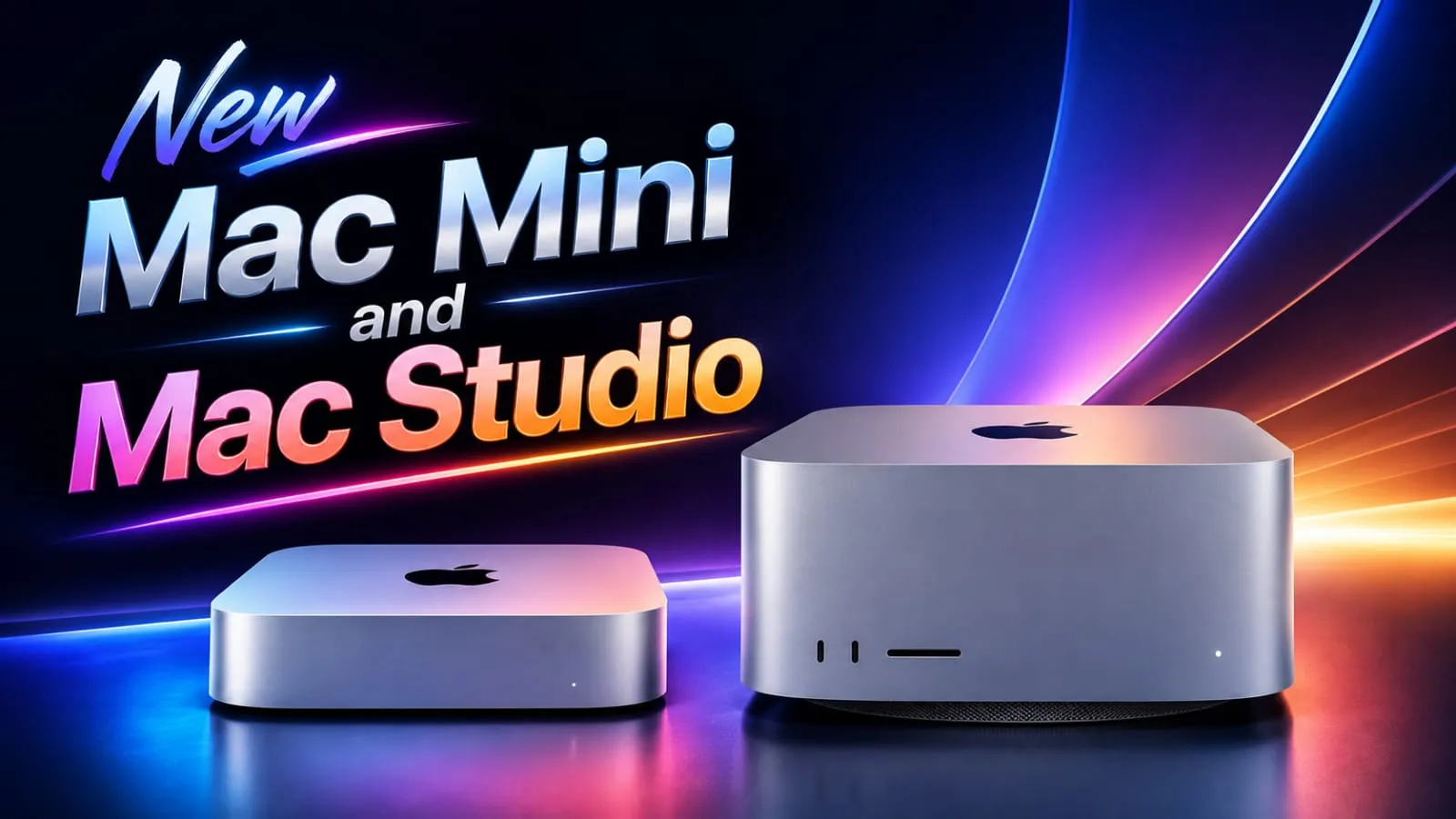
New Mac Mini and Mac Studio: What's Good, What's Not in 2026

Hey buddy, have you seen that Apple has just launched something big? I couldn’t wait any longer to tell you about it. The new Mac Mini and Mac Studio have finally arrived, and they bring amazing power for those who work with AI, editing, or heavy tasks every day. I remember the day a few years ago when I bought my old Mac Mini, and as soon as I opened more than four tabs, it started feeling a bit slow to me. So when I heard about this update, I was honestly really excited. Let’s go ahead and understand it together in simple words, without any technical jargon. Quick Highlights of the New Mac Mini and Mac Studio Mac mini now comes with the new M6 chip or the M5 Pro. Mac Studio gets the M5 Max and the massive M5 Ultra. M6 is Apple’s first 2-nanometer chip, built for speed and AI. Up to 4 times faster AI performance on Mac mini Mac Studio offers up to 512GB of unified memory. Both machines support Wi-Fi 7 and Bluetooth 6 Pre-orders are open now; shipping starts September 22, 2026 What Is New About the Mac Mini and Mac Studio? What Is New About the Mac Mini and Mac Studio 2026? So, what exactly changed with this New Mac Mini and Mac Studio launch? In simple words, Apple gave both machines a big power jump under the hood, without changing much on the outside. It is like giving your car the same body but swapping in a much stronger engine. The Mac mini now runs on the M6 chip, which is Apple’s first chip built using a 2-nanometer process. That basically means it packs more power into a smaller space, giving you better speed and using less battery or electricity to do it. Tell me the truth, don’t you want a machine that works faster but does not heat up like crazy? Mac Mini M6: What Makes It Special? The Apple Mac Mini M6 is the star of this small desktop update. It comes with a bigger 12-core processor and a 12-core graphics chip, along with something called Neural Accelerators inside each core. These help the machine handle AI tasks much faster than before. Here is what stands out with the M6 Mac mini: Up to 4 times faster AI performance compared to the older M4 model 2 times faster storage and graphics speed 40 percent faster CPU performance overall Starts at a price of $899 In my experience, everyday users do not always need this much power. However, if you edit videos, run AI tools, or juggle many apps at once, this upgrade genuinely feels worth it. Mac Studio M5 Ultra: Is It Really That Powerful? Now let’s talk about the beast of this launch, the Apple Mac Studio M5 Ultra. This chip uses a brand-new design where four chips are joined together, something Apple has never done before. The result is a huge jump in raw power for people doing serious work. The M5 Ultra offers up to a 36-core processor and an 80-core graphics chip, along with up to 512GB of shared memory. That much memory means it can even run large AI models directly on the machine, without needing the cloud. If you think as I do, that sounds like something only big studios would need, and honestly, for most home users, it probably is more than enough power. The Mac Studio with M5 Ultra starts at $5,499, while the base Mac Studio with M5 Max begins at a more reasonable $2,499. Also Read: Can AI Tools Write High-Quality Blog Posts? Complete Guide New Mac Mini and Mac Studio 2026 Specifications Let’s quickly compare what each version brings to the table, since specifications can get a bit confusing with so many chip names floating around. Mac mini M6: 12-core CPU, 12-core GPU, built for everyday and AI tasks Mac mini M5 Pro: More power for video editing and pro workflows Mac Studio M5 Max: Balanced power for creative professionals Mac Studio M5 Ultra: Maximum power, huge memory, made for AI and heavy computing Both Mac mini models include Wi-Fi 7, Bluetooth 6, and upgraded Ethernet options. The Mac Studio also adds Thunderbolt 5 ports, and multiple units can even be connected together for extra performance on massive projects. Mac AI Performance: Does It Actually Matter for You? Apple is clearly pushing hard on AI this time, and the Mac AI performance improvements are the main selling point of this whole launch. However, I want to be honest with you here, buddy. Not everyone needs this level of AI power at home. If you are a student, a regular office worker, or someone who just browses and streams, the base Mac mini will feel more than fast enough. But if you are into AI development, heavy design work, or running your own AI models locally, then this update genuinely changes the game for you. New Mac Mini and Mac Studio Price and Features Let’s talk money now, since price matters a lot for buyers in both the USA and India. The Mac mini M6 starts at $899, and the M5 Pro version costs more depending on configuration. On the Mac Studio side, prices start at $2,499 and can go up significantly with the M5 Ultra chip and higher memory options. Honestly, these are premium machines, and the price reflects that. If your budget is tight, the base Mac mini still gives you a strong AI performance boost compared to older models, without breaking the bank completely. Final Thoughts So buddy, that was the full picture of the New Mac Mini and Mac Studio launch. Apple has clearly focused on AI performance this time, packing serious power into these small desktop machines. The Mac mini feels like a smart everyday upgrade, while the Mac Studio is built for people who need serious computing muscle. What do you think? Are you planning to grab one of these? Let me … Read more
Nothing OS 5.0: Huge Upgrade or Major Disappointment?

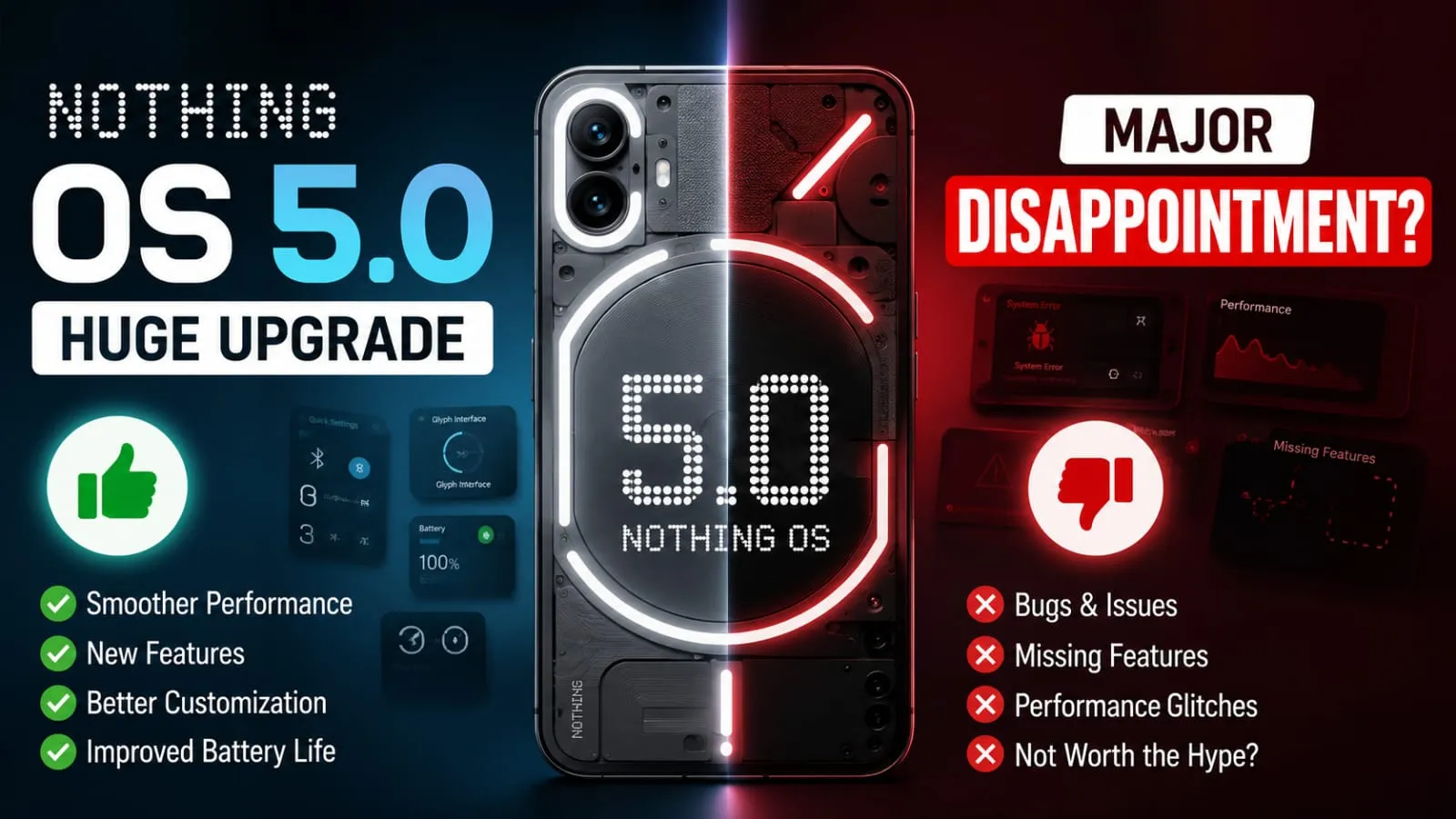
Nothing OS 5.0: Huge Upgrade or Major Disappointment?

Hey friend, have you heard any big news recently? Nothing OS 5.0 has finally arrived, and I’m super excited to talk to you about it. If you have a Nothing phone, or if you’re just curious about cool technology, this update is definitely going to make you smile. I still remember the first time I used a Nothing phone. Its clean look and Glyph lights made me feel like I was using something different, something really special. Now, with Nothing OS 5.0, that same feeling is back, but this time you’re going to get something even bigger and better. In this article, I’ll explain everything in simple words, as if I’m talking to a friend over coffee. No difficult words, no boring technical stuff. So let’s go; I’m really looking forward to chatting with you about this today. Quick Highlights of Nothing OS 5.0 Built on Android 17 Brand new Geist typeface for a cleaner look Over 80 new features and small improvements Fresh AI tools built right into the phone New lock screen styles and wallpaper-based colors A dedicated Glyph app for the first time Open beta starts on Nothing Phone 3 this week. Full rollout begins in mid-October What Is Nothing OS 5.0 and Why Does It Matter? So, what exactly is Nothing OS 5.0? In simple words, it is the newest software update from Nothing, built on top of Android 17. Think of it like a fresh coat of paint on your house, but also new furniture, better lighting, and smarter gadgets inside too. This is not just a small patch. Nothing has packed in a huge design change along with smarter AI tools. Tell me the truth, don’t you love it when your phone feels brand new after an update? That is exactly what this one promises. New Design: Does It Really Look Different? Yes, buddy, it really does. The whole interface has a fresh face now. Nothing OS 5.0 uses a new font called Geist, and honestly, it looks much cleaner than before. Here is what changed on the design side: A translucent, frosted look for widgets and search bars Redesigned icons across the Settings, camera, and gallery apps A cleaner and simpler status bar Smoother animations when you open apps or switch screens In my experience, small design changes like this make a huge difference in daily use. You open your phone a hundred times a day, so if it looks fresh and smooth, your mood stays good too. How Much Personalisation Does Nothing OS 5.0 Offer? This part is honestly my favorite. Nothing OS 5.0 gives you way more control over how your phone looks. You get two brand-new lock screen clock styles called Gooey and Micrographics, and both let you pick your own colors. Also, your wallpaper now decides the color theme of your whole phone. So if you set a blue sky wallpaper, your icons and buttons can match that blue shade automatically. That is a smart little touch. If you think as I do, you probably enjoy setting up your phone just the way you like it. This update gives you many more tools to do exactly that. Also Read: ColorOS 17 Update: Release Date, Phones and Features  What AI Features Does Nothing OS 5.0 Bring? Now let’s talk about the part everyone is asking about: the AI upgrades. Nothing OS 5.0 AI features are focused on making daily tasks easier, not just showing off fancy tricks. The update expands the Essential Space tool, which helps you save notes, screenshots, and ideas in one smart place. There is also a new feature that lets you build small apps using Essential Apps, which sounds pretty amazing for beginners who have never coded before. However, I must be honest here. Some AI features may only work well on newer chipsets, so older phones might not get the full experience. That is something you should keep in mind before getting too excited. Nothing OS 5.0 Android 17: What Extra Features Come With It? Since this update runs on Android 17, it also brings some platform-level changes that are genuinely useful: Separate panels for Notifications and Quick Settings Cross-platform Quick Share that works with iPhones too Clearer privacy indicators showing camera, mic, or location use Better dark theme support across more apps A redesigned Recents screen for switching apps faster These are not flashy features, but they solve real everyday problems. And honestly, that is what good software should do. Nothing OS 5.0 Release Date and Eligible Phones Alright, now the question you really came here for. When can you get Nothing OS 5.0 on your phone? The open beta rollout starts with the Nothing Phone 3, and the full stable update is expected around mid-October. Other eligible devices will join the beta over the coming weeks, with the general rollout stretching into January for some models. Sadly, there is some bad news too. The Phone 1, Phone 2, and CMF Phone 1 will not get this update since they have reached the end of their software support. If you are using one of these, it might be time to think about an upgrade. Now let’s talk about who actually gets Nothing OS 5.0. Ten devices made the eligible list, and buddy, that is a pretty good number. Along with the Phone 3, the update will also reach the Phone 4a Pro, Phone 4a, Phone 4b, Phone 3a, Phone 3a Pro, Phone 3a Lite, Phone 2a, Phone 2a Plus, and the CMF Phone 2 Pro. Each phone has its own beta and stable release window, so your phone might not get it on the exact same day as your friend’s phone, and that is completely normal. In my experience, mid-range and A-series phones usually join the beta a little later than the flagship, so if you own a 3a or 2a series phone, just be a bit patient, buddy; your turn will come by November or December at the latest. Is Nothing OS 5.0 … Read more

Vivo X500 Series Launch Confirmed: Camera and Video Upgrade

Vivo X500 series 5 fresh upgrades

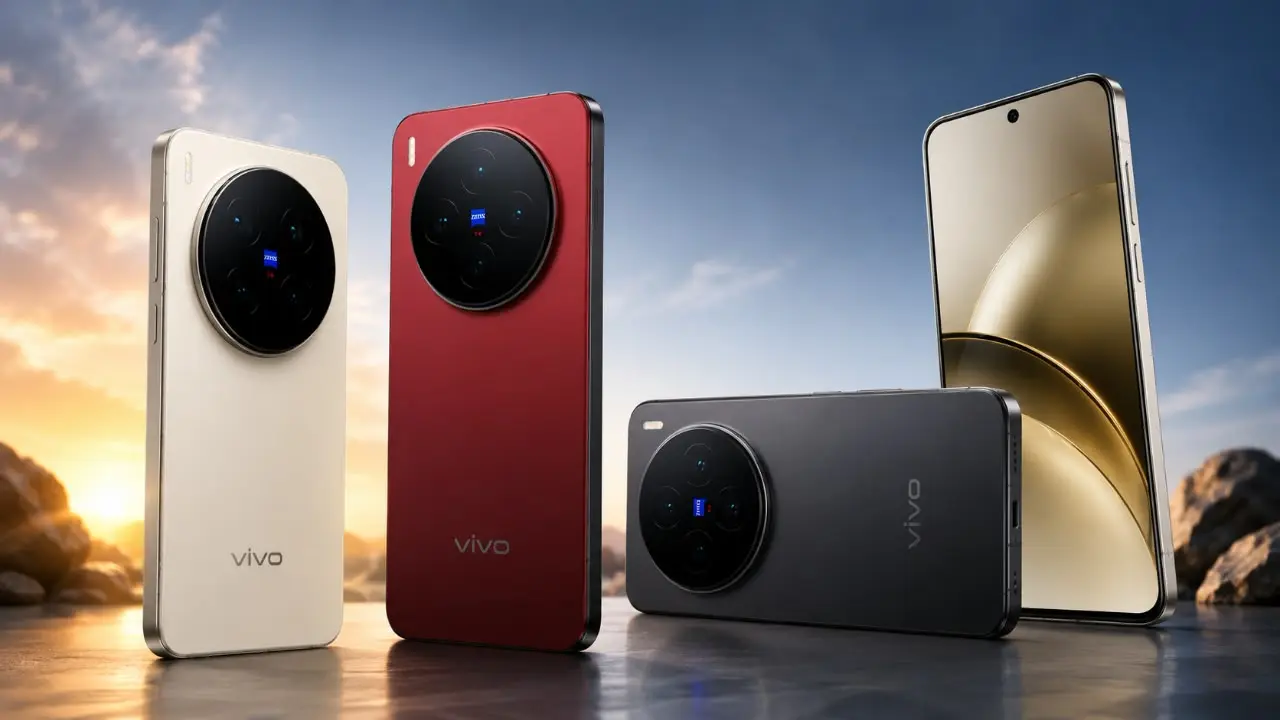
Good news has come out today for camera phone lovers! The launch of the Vivo X500 series has finally been confirmed, and it looks like this time Vivo is not joking at all. If you are someone who values camera quality more than just the specs on paper, this is for you. I have tested many flagship phones over the years, and I can tell you, most brands make big promises but deliver little when it comes to features. Let’s see if the Vivo X500 series breaks this pattern.  In my experience, real upgrades show up in everyday use, not on the specification sheet. So instead of just repeating the leaked numbers, I’ll tell you what these upgrades really mean for you, in very simple and straightforward words.  Highlights Vivo X500 Series launch confirmed for September 2026 in China.  Lineup expected: Vivo X500, X500 Pro, and X500 Pro Max  New Zeiss Super Dynamic camera on Pro models  Strong focus on 4K video and slow-motion recording  India launch timing still not announced  When Exactly Is the Vivo X500 Series Launch Date? Now let’s talk about timing, since everyone wants a straight answer here. Vivo has confirmed the Vivo X500 Series launch will take place in China in September 2026. But here is the catch: the company has not shared the exact date, price, or which countries will get it first.  One thing that caught my attention is the naming jump. Vivo is skipping the “X400” tag completely and moving straight from X300 to X500. The reason is cultural, since the number four is seen as unlucky in many East Asian regions. So instead of fighting superstition, Vivo simply avoided the number altogether. Honestly, that is a practical business decision.  If we compare this to the earlier X200 launch pattern, the China event came first, followed by an international release roughly a month later. Therefore, if you are in India or the USA, you might have to wait a bit longer after the China unveiling before the Vivo X500 Series reaches your local store.  Also Read: Vivo S2 Brings Powerful Features and Premium Design What Makes the Vivo X500 Camera Different This Time? Tell me the truth, camera performance is usually the main reason people choose a Vivo phone, right? This year, that focus seems even stronger.  According to current reports, the Vivo X500 Camera setup on the Pro models will use a newly developed main sensor, built together with Sony. This sensor is expected to support the Zeiss Super Dynamic system, offering up to 17EV dynamic range. In simple words, higher dynamic range means the camera can hold detail in both very bright and very dark parts of a photo at the same time, something normal phone cameras often struggle with.  There is also talk of a big periscope zoom lens, possibly around 200 megapixels, similar to what we saw on the older X300 Ultra. If accurate, this could make zoom shots noticeably sharper than before.  If you think as I do, hardware numbers alone don’t guarantee good photos. Camera software, processing, and real testing matter just as much. So it makes sense to wait for hands-on camera samples before forming a final opinion.  Vivo X500 Video Features: A Big Step for Mobile Filmmaking? This part really got my attention. The Vivo X500 Video Features could be the biggest upgrade of this entire lineup.  Leaks point toward support for 4K recording at 240fps, which is great news if you enjoy smooth slow-motion clips. On top of that, 4K 120fps HDR recording is also expected, helping footage look more balanced in tricky lighting. Reports also mention improved stabilization technology, aiming to reduce shaky footage while walking or moving around.  I remember filming a friend’s birthday event on an older phone without good stabilization, and the final video looked shaky and honestly unusable. If Vivo manages to deliver strong stabilization here, everyday users filming trips, events, or vlogs could genuinely benefit without needing extra gimbal equipment.  Vivo X500 Specifications: What Else Should You Expect? Now let’s quickly go through the other expected Vivo X500 Specifications, based on current leaks and reports.  Likely three models: X500, X500 Pro, and X500 Pro Max  Screen sizes expected to range between roughly 6.3 inches to 6.85 inches  Chipset options may include a newer Dimensity series processor.  Battery capacity rumored to be large, possibly near 7000mAh in some versions  Fast charging around 100W is also being talked about  However, keep in mind, none of these numbers are officially confirmed by Vivo yet. Treat them as expected details until the company shares the final specification sheet.  Is the Vivo X500 Pro Worth Waiting For? Honestly speaking, if camera and video quality are your top priority, waiting for the Vivo X500 Pro seems like a smart move. The direction Vivo is taking looks genuinely camera-focused rather than just marketing talk. However, if you need a new phone urgently, don’t just sit and wait, since the India release date is still unclear.  If the final device disappoints in areas like heating, battery backup, or low-light photos, I will mention that clearly once it’s tested. And if it performs well, I will say that too, without exaggeration.  Also Read: Vivo T5x 5G Fusion Red Launches with Bank Deals Final Thoughts The Vivo X500 series is working towards becoming an attractive camera- and video-focused flagship for 2026. Features like the Zeiss super dynamic camera, large periscope zoom, and advanced video recording options make it worth paying attention to. However, since most of the information is still based only on leaks, it would be smart to wait for the official launch before making any purchase decisions.  Disclaimer  This article is based on publicly available reports, leaks, and official statements from Vivo as of August 2026. Specifications and features mentioned here may change before the official announcement. Please check Vivo’s official website or an authorized store before making a purchase decision.  Note: Since the exact launch date, pricing, and full specifications are not officially confirmed by Vivo yet, update this article once the official event happens so readers get the most accurate information.  Latest Post Vivo X500 Series Launch Confirmed: Camera and Video Upgrade BOLTT ACE 5G VS EVO 4G: WHICH BUDGET PHONE WINS?  iQOO Z11 vs OnePlus Nord CE6: Which One Should You Buy? Intel Robotics Research Predicts Robot Fleets Are Coming Fast Honor … Read more

Haier M70 Series Goes Official in India: MiniLED, 120Hz

Haier M70 Series MiniLED display storage concern

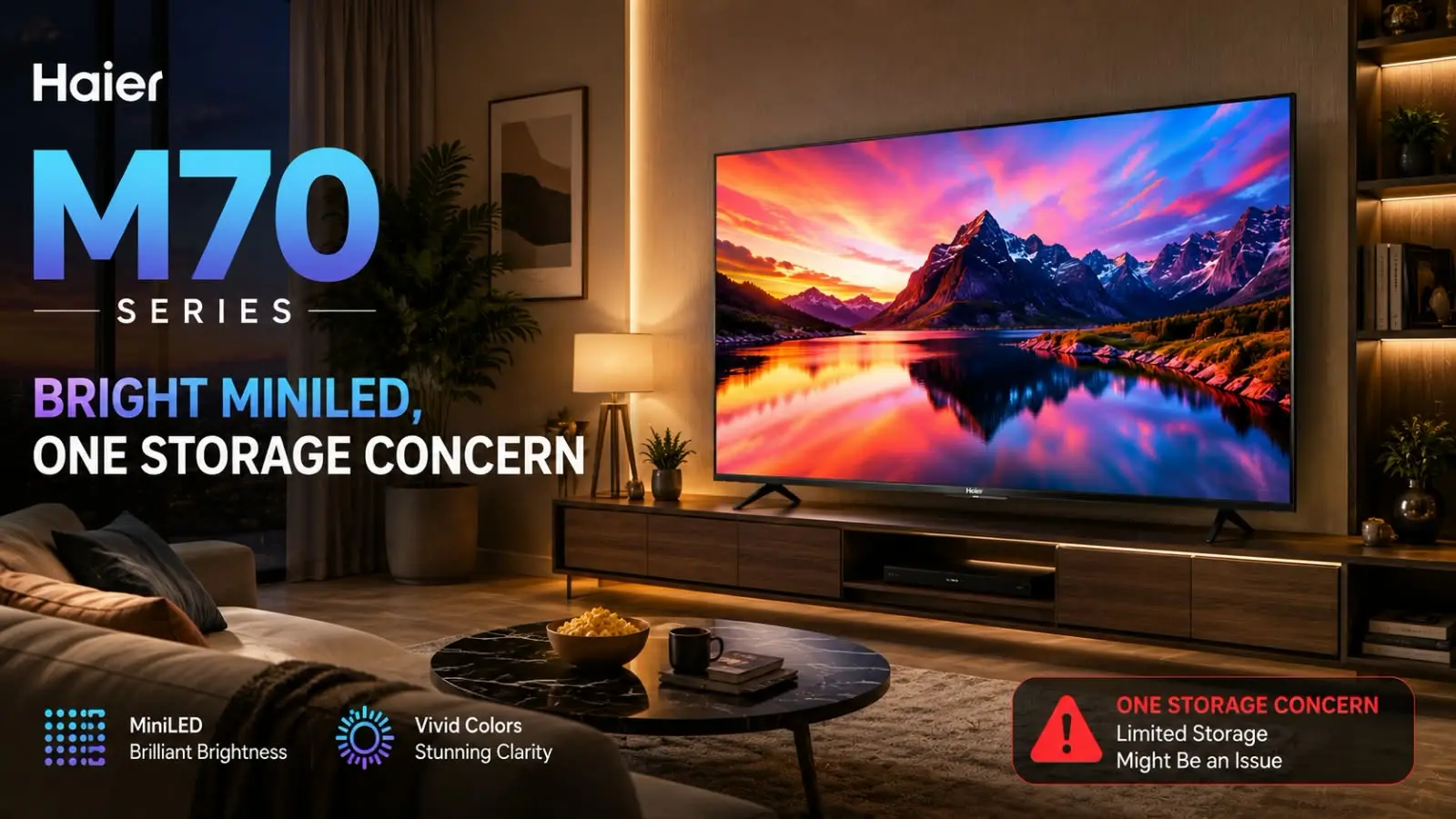
Friend, if you or someone in your contacts is thinking of buying a new smart TV this year, then I have some really good news for you. The Haier M70 series has officially launched in India, and it comes with MiniLED display technology along with a 120Hz refresh rate that you can see. In my experience, most budget to mid-range TVs compromise on either gaming features or picture quality, so this launch immediately caught my attention. Let’s look at everything in simple terms, like I’m chatting with a friend over tea. Tell me honestly, the last time you actually saw or heard of any TV brand genuinely trying to balance both good picture quality and gaming performance in the same box? That’s exactly what Haier is doing with this new lineup. Highlights at a Glance Haier M70 Series officially launched in India, available from 17 June 2026 Screen sizes: 43-inch, 55-inch, 65-inch, 75-inch, and 85-inch Starting price is Rs 39,190 for the 43-inch model. MiniLED display with Micro Dimming and AI Picture Quality 120Hz gaming support with VRR and ALLM Runs Google TV with Google Gemini integration What Screen Sizes and Prices Does the Haier M70 Series Offer? Now let’s talk about the part everyone jumps to first: the price. The Haier M70 Series TV comes in five different screen sizes, so there is something for almost every room size and budget. 43-inch: Rs 39,190 55-inch: Rs 56,590 65-inch: Rs 74,990 75-inch: Rs 1,02,990 85-inch: Rs 1,69,990 In my experience, pricing in this range makes the Haier M70 TV Price genuinely competitive for anyone stepping up from a basic LED TV to something with better contrast and smoother motion. However, remember that MiniLED TVs from bigger brands often cost noticeably more at similar screen sizes, so Haier is clearly trying to make this display type more affordable for regular Indian households. On the warranty side, the 43-inch, 55-inch, 65-inch, and 75-inch models get a 3-year warranty, while the large 85-inch model comes with an extended 4-year warranty. Honestly, that longer warranty on the biggest screen is a thoughtful touch, since bigger panels usually cost more to repair. How Good Is the Haier M70 MiniLED Display? This is where things get interesting. The Haier M70 MiniLED TV uses Mini LED backlighting paired with something called Micro Dimming. In simple words, this technology divides the screen into many small zones and adjusts brightness and contrast in each zone separately. That usually means deeper blacks in dark scenes and brighter, punchier highlights, without one part of the screen washing out the other. On top of that, the TV supports full 4K resolution, along with Dolby Vision and HDR10+. If you enjoy watching movies or web series, these HDR formats generally help scenes look more realistic, especially in shows with a lot of shadows or bright outdoor shots. Haier has also added its own AI Picture Quality engine, which works in real time using features like AI HDR Enhancer, AI Colour Boost, AI Motion, and AI Noise Reduction. Basically, the TV keeps adjusting color, motion, and clarity automatically based on whatever you are watching. If you think as I do, automatic picture tuning is great for regular users who don’t want to manually change settings every time they switch from a movie to a cricket match. Should Gamers Care About the Haier M70 120Hz TV? Absolutely, and here is why. The Haier M70 120Hz TV features are specifically built for gamers, not just added as a marketing checkbox. It supports 120Hz gaming along with Variable Refresh Rate, known as VRR, and Auto Low Latency Mode, called ALLM. In plain words, 120Hz means smoother on-screen motion, VRR reduces screen tearing during fast gameplay, and ALLM automatically switches the TV into a low-latency gaming mode when it detects a console or gaming PC. There is also a dedicated Gaming Bar for quickly checking refresh rate details and switching gaming settings, along with extra tools like Shadow Enhancement and Crosshair Assist to help you spot enemies in darker areas of a game. I remember playing a fast racing game on an older TV without VRR, and the screen tearing was honestly annoying enough to ruin the experience. If these gaming features perform as promised on the Haier M70 Series, casual and semi-serious gamers alike could genuinely benefit. Also Read: Hisense RGB MiniLED TV Launch: Prices Start at ₹1,19,990 What About Sound and Smart Features? Now let’s talk about something people often ignore: sound quality. The 55-inch and larger Haier M70 Series models come with a 50W 2.1-channel speaker system, complete with a built-in subwoofer. Dolby Atmos support is also included, which should help with a fuller, room-filling sound experience compared to typical flat-sounding TV speakers. On the smart TV side, the Haier M70 Series runs on Google TV, which brings together content from various streaming apps in one place. It also supports Google Gemini and Google Assistant, allowing hands-free voice control for searching content, opening apps, or adjusting the volume. For screen mirroring, HaiCast is included, and there is also a Bluetooth Speaker Mode for streaming music directly through the TV’s speakers. Under the hood, these TVs run on 2GB RAM and 32GB internal storage. Now, let’s be honest here: this is a decent amount for smooth streaming and basic multitasking, but if you install a lot of extra apps, storage could feel a bit tight over time. Haier also added TÜV Rheinland-certified Low Blue Light technology, which is meant to reduce eye strain during long viewing sessions, something families with kids or heavy TV watchers might genuinely appreciate. Is the Haier M70 Series Worth Buying? If you are looking for a TV that mixes decent picture quality, useful gaming features, and a reasonable price, the Haier M70 Series looks like a solid pick on paper. The MiniLED panel, Dolby Vision support, and 120Hz gaming features are genuinely good additions at this price range. However, if you are someone who plays graphically heavy games or watches … Read more

BOLTT ACE 5G VS EVO 4G: WHICH BUDGET PHONE WINS? 

Boltt Ace 5G vs Evo 4G comparison

If you are looking for a good mid-range phone that doesn’t hit your pocket too hard, then maybe you should know about the Boltt Ace 5G vs Evo 4G. Both these phones have been quite popular in the budget phone market, especially among Indian and American users who want great features without spending too much. But the question is, which phone should you actually buy? Today, I’ll break down the comparison between the Boltt Ace 5G and Evo 4G so that you all can make the best choice according to your needs.  Quick Look at Both Phones Let me be honest with you – comparing phones can get confusing really fast. That’s why I’ve put together a quick overview before we jump into the detailed stuff. Think of this as your roadmap to understanding what makes these two phones different.  The Boltt Ace 5G is the newer model that brings 5G connectivity to the budget segment. On the other hand, the Boltt Evo 4G is a reliable performer that’s been around a bit longer and focuses on solid everyday performance.  Highlights Boltt Ace 5G: 5G support, bigger screen, faster processor  Boltt Evo 4G: Better battery life, proven performance, affordable pricing  Boltt Ace 5G vs Evo 4G: Different strengths for different needs  Display and Screen – What You’ll Actually See Every Day Let me start with something super important – the display. You look at your phone screen hundreds of times daily, right? So this matters big time.  The Boltt Ace 5G sports a 6.7-inch AMOLED display that looks absolutely gorgeous. Colors pop, blacks are deep, and scrolling feels smooth. The refresh rate is 120Hz, which means everything feels snappy when you’re gaming or scrolling through social media. Honestly, it’s hard to go back to regular screens after using this.  Now, the Boltt Evo 4G comes with a 6.5-inch IPS LCD screen. It’s still pretty decent, and colors look natural. But it has a 60Hz refresh rate, so it feels slightly less smooth compared to the Ace. If you’re someone who spends hours on your phone daily, you’ll definitely notice the difference.  Real talk: If display quality is your top priority, the Ace 5G wins this round hands down.  Performance and Processor – Speed Where It Counts Here’s where things get interesting. The Boltt Ace 5G vs Evo 4G shows a real difference in processing power.  The Boltt Ace 5G comes with a Snapdragon 778G Plus processor. This chip is powerful enough for gaming, multitasking, and running heavy apps without breaking a sweat. You get 8GB of RAM as standard, which keeps everything running smoothly even when you’ve got tons of apps open. From my experience, switching between apps feels instant.  The Boltt Evo 4G uses an older Snapdragon 765 processor with 6GB RAM. To be honest, you can’t ignore its speed and capability.  For everyday tasks like browsing, messaging, and watching videos, it works just fine. But if you’re a serious gamer or someone who uses demanding apps constantly, you’ll feel the difference.  Performance verdict: The Ace is faster, but the Evo is still quick enough for most people.  Also Read: Can AI Tools Write High-Quality Blog Posts? Complete Guide Camera Quality – Capturing Your Memories Everyone wants to take great photos with their phone. Let’s see what each one offers.  The Boltt Ace 5G comes with a 48MP main camera with optical stabilization. Night photography is actually pretty impressive, and colors come out accurate. The 8MP ultra-wide lens is useful for landscape shots, and you get a 2MP macro lens for close-ups. The front 20MP camera captures nice selfies.  The Boltt Evo 4G has a 13MP main camera, which is basic but gets the job done during daylight. Night shots aren’t as bright as the Ace. The ultra-wide and macro lenses are missing, so your shooting options are limited. The front camera is 8MP, which is fine for video calls.  In the Boltt Ace 5G vs Evo 4G camera battle, Ace clearly dominates. If photography matters to you, this is huge.  Battery Life – How Long Does It Actually Last? Battery anxiety is real, buddy. Let me tell you what to expect.  The Boltt Evo 4G has a 4500mAh battery that easily lasts a full day with moderate use. I’ve seen people get through 18 hours without charging. It comes with 30W fast charging, which fills it up in about 45 minutes.  The Boltt Ace 5G has a larger 5000mAh battery, but the more powerful processor and that beautiful 120Hz display drain it faster. You’ll get through a full day, but you might need to charge by evening if you’re a heavy user. It supports 65W superfast charging, which is brilliant for quick top-ups.  Honest take: If battery life is your biggest concern, the Evo 4G is your friend. But the Ace’s faster charging helps make up for it.  5G vs 4G – Is It Worth the Upgrade? This is the big question for the Boltt Ace 5G vs Evo 4G decision.  The Ace 5G comes with 5G support, which means super fast download speeds in 5G areas. If you’re in the US or India where 5G is rolling out, this is genuinely useful for streaming and downloading. But here’s the truth – 5G isn’t everywhere yet. In many places, you’ll still be on 4G anyway.  The Evo 4G works on 4G only, which is still plenty fast for streaming, browsing, and gaming. Unless you’re in a heavy 5G area, you probably won’t notice much difference in real life.  Real-world perspective: 5G is nice to have, but 4G still does everything most people need.  Price – Getting Your Money’s Worth Let’s talk money because that’s usually the deciding factor.  The Boltt Ace 5G is priced around $299-349, making it affordable for a phone with 5G and those fancy features. Not cheap, but fair for what you get.  The Boltt Evo 4G comes in at around $199-249, which is genuinely budget-friendly. You’re saving a solid $100 or more compared to the Ace.  Price reality check: The Evo is better value if you’re tight on budget. The Ace is worth the extra money if you want newer tech.  Also Read: Best AI Tools in 2026: Top 25 Free & Paid Options Which One Should You Actually Buy? Alright, here’s my honest recommendation based on everything we’ve talked about:  Choose Boltt Ace 5G if:  You want a bright, colorful display.  You take lots of photos and videos.  You’re interested in 5G technology.  You play games or use demanding apps.  You have around $300+ to spend  Choose Boltt Evo 4G if:  You need excellent battery life.  You’re on a tight budget.  You use your phone for basic tasks mainly.  You prefer proven, stable performance.  You want reliable midrange value.  In … Read more

iQOO Z11 vs OnePlus Nord CE6: Which One Should You Buy?

iQOO Z11 vs OnePlus Nord CE6: Powerful Chip vs Huge Battery

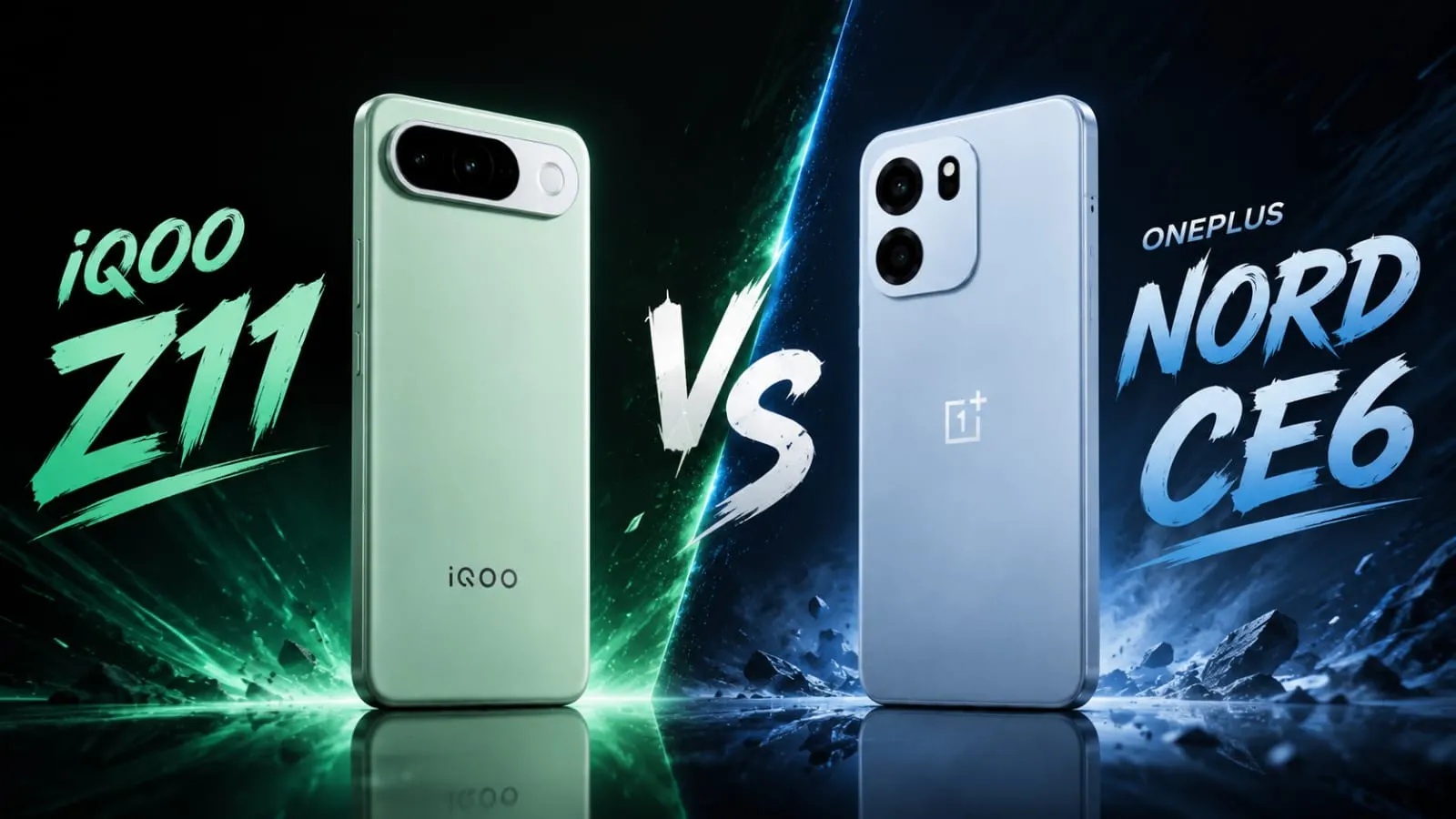
Buddy, if you’re stuck between the iQOO Z11 vs OnePlus Nord CE6, I can totally understand that this is a really big problem for any user. Both phones look pretty good on paper, both are competing for the same kind of buyers, and both promise a big battery, smooth screen, and solid performance. I’ve closely and carefully looked at the real specs of both phones, and in this article, I’ll explain it to you in an easy and straightforward way. No tough English, no confusing technical stuff, just a normal conversation between us. Be honest, buddy. When you’re buying a phone with your hard-earned money, you definitely want to know which one is the right one for your money and what you’re actually going to get, right? So let’s take it slow and compare the iQOO Z11 vs OnePlus Nord CE6 in terms of performance, battery, camera, display, and price. Quick Highlights Before We Start iQOO Z11 runs on the MediaTek Dimensity 7500 Turbo chip, has a 7,050mAh battery, and a 6.8-inch curved AMOLED screen with 144Hz refresh rate. OnePlus Nord CE6 runs on the Snapdragon 7s Gen 4 chip, has a huge 8,000mAh battery, and a 6.78-inch flat AMOLED screen, also with 144Hz refresh rate. iQOO Z11 price in India starts at ₹34,999, while the OnePlus Nord CE6 starts lower at ₹29,999. Now let’s talk about each part in detail. iQOO Z11 vs OnePlus Nord CE6 Performance: Which Chip Wins? In my experience, the chipset is the heart of any phone. It decides how smooth your games run and how fast your apps open. The iQOO Z11 specifications show that it is powered by the new MediaTek Dimensity 7500 Turbo. This is actually a fresh chip, and iQOO is the first brand in India to use it in this price segment. iQOO also claims an AnTuTu score of over 1.2 million, which is quite strong for this price range. On top of that, the phone has a 3,800mm² vapour chamber for cooling, so it should not heat up too much during long gaming sessions. On the other hand, the OnePlus Nord CE6 specifications list the Snapdragon 7s Gen 4 chip. This is also a reliable mid-range processor from Qualcomm, and OnePlus phones are usually known for clean and fast software. The Nord CE6 also comes with a dedicated Touch Reflex chip that gives a 3,200Hz touch sampling rate, which basically means your taps and swipes feel super quick, especially while gaming. If you think as I do, raw power on paper slightly favors the iQOO Z11 because of the newer chip and higher claimed benchmark score. But the Nord CE6 is no slouch either, and its touch response system is genuinely impressive for casual gamers. iQOO Z11 vs OnePlus Nord CE6 Battery Comparison: Which One Lasts Longer? Here is where things get interesting, buddy. Battery life is something most of us care about the most, especially if you are out the whole day. The iQOO Z11 comes with a 7,050mAh battery backup and 44W fast charging for long-lasting backup. This is a good-sized battery, and it should easily last you a full day of normal use like scrolling, chatting, and some video watching. However, the OnePlus Nord CE6 takes it up a notch with a massive 8,000mAh battery and 80W SUPERVOOC fast charging. It even has 27W reverse wired charging, so you can charge other small gadgets using your phone. Reviewers have already said this battery can comfortably last almost two days on regular use. I once used a phone with an 8,000mAh battery on a long train trip, and honestly, buddy, not having to hunt for a charger the whole day felt amazing. If battery backup is your biggest worry, the Nord CE6 clearly has the edge here, both in battery size and charging speed. Also Read: OnePlus Turbo 6X: Expected Specs, Price & Launch Date 2026 iQOO Z11 vs OnePlus Nord CE6 Camera and Display: What Do You Actually See and Shoot? Now let’s talk about the parts you notice every single day: the screen and the camera. The iQOO Z11 has a 6.8-inch curved AMOLED display with 1.5K resolution, a 144Hz refresh rate, and a huge 5,000 nits peak brightness. It also supports HDR10+ along with Netflix and Prime Video HDR, so movies and shows will look really rich. For cameras, you get a 50MP Sony IMX882 sensor with OIS as the main camera, an 8MP ultra-wide lens, and a 32MP front camera for selfies. The OnePlus Nord CE6 goes with a 6.78-inch flat AMOLED display, also with 1.5K resolution and 144Hz refresh rate, with brightness reaching around 1,800 nits in high brightness mode. On the camera side, it has a 50MP main sensor, a smaller 2MP secondary sensor, and a 32MP selfie camera. However, if you love a curved screen look and want brighter HDR content, the iQOO Z11 wins here. But if the camera’s ultra-wide shots matter to you, the iQOO Z11 also has a slight edge since it has an actual ultra-wide lens, unlike the CE6’s basic depth sensor. iQOO Z11 vs OnePlus Nord CE6 Price and Specifications: Which Gives More Value? To be honest, the biggest question is the one everyone is looking for an answer to. Which iQOO Z11 vs OnePlus Nord CE6 gives you more for your money? The iQOO Z11 price starts at ₹34,999 for the 6GB RAM and 128GB storage model, going up to ₹49,999 for the top 12GB and 256GB version. The OnePlus Nord CE6 price starts much lower at ₹29,999 for 8GB RAM and 128GB storage, with the 256GB version at ₹32,999. So, on pure pricing, the Nord CE6 is the more budget-friendly option and even starts with more RAM at the base level. If you want a bigger battery and a more affordable price, Nord CE6 makes more sense. But if display quality and a slightly newer chip matter more to you, the iQOO Z11 justifies its higher price tag. Also Read: iQOO Z11 … Read more

Intel Robotics Research Predicts Robot Fleets Are Coming Fast

Intel Robotics Research Shows Bold Robot Future in 2026-27

Buddy, have you also heard about Intel Robotics Research recently? If you work in technology or business, or just like reading about the future, this is really worth your time. Intel recently shared a big study, and it said something that could surprise you, as well as everyone else, or maybe not, if you already think robots are everywhere these days. The short version? Six out of ten company leaders believe that in the next five years, their business will be run entirely by robots, not by humans. That’s a huge number, and it shows that robots are no longer just for factories. In my years of following tech news, I’ve hardly ever seen such a clear signal that a major change is coming this fast. Let’s break it down in simple words, no complicated tech stuff, I promise you. Highlights Six in ten leaders expect robot fleets in their company within five years. Only four in ten actually have a real plan for humans and robots working together. Safety worries are slowing many companies down. Autonomous mobile robots are more popular than humanoid robots right now. Fast decision-making, under 100 milliseconds, is becoming a must-have What Did the Intel Robotics Research Actually Find? Intel did not just guess this stuff. They worked with research firms and talked to about 800 senior leaders across countries like the USA, UK, Germany, Japan, China, and South Korea. These were not small companies either; we are talking about businesses making over $500 million a year. The Intel robotics research found that most leaders are excited about robots joining their teams. But here is the catch, buddy. Being excited is not the same as being ready. Only four in ten companies actually have a formal strategy to manage a mixed team of humans and robots. That is a big gap, and Intel is calling it the “robotics readiness gap.” Tell me the truth, does your workplace even have a plan for robots yet? Most do not, and that is exactly the problem this study points out. Six in Ten Leaders Plan Robot Fleets by 2030 This part is honestly the headline of the whole report. Two-thirds of leaders believe they will be ready to run a mixed human-robot workforce by 2030. That is not far away at all. If you think as I do, that timeline feels almost too close, especially for companies still figuring out basic automation. Robots are moving from being a small test project to becoming a normal part of daily operations. Companies that already use robots are seeing real benefits too, like better productivity, better quality, and faster service. This is not hype; this is what the actual data shows. Why Is There Such a Big Readiness Gap? Good question, and Intel breaks it into a few clear reasons. Strategy problems: Many companies want robots but do not have a clear plan Skills shortage: Around four in ten companies say finding trained workers is hard Safety concerns: Almost half of companies already using robots reported safety incidents, and only about a third have proper global safety standards Infrastructure gaps: Robots need fast processing power close to where they work, not far-away servers I once visited a small warehouse that added two robot arms without training anyone properly. It caused more confusion than help in the first few weeks. That small real-life example shows exactly why Intel is pushing companies to build a real strategy, not just buy robots and hope for the best. Also Read: Can AI Tools Write High-Quality Blog Posts? Complete Guide Enterprise Robotics Adoption Is Growing Faster Than Expected Enterprise robotics adoption is not slowing down; it is speeding up. Businesses are realizing that robots are not just for car factories anymore. Warehouses, hospitals, and even government offices are exploring robot fleets. Interestingly, autonomous mobile robots, think of bigger, smarter versions of a robot vacuum, are far more popular than humanoid robots right now. Only about six percent of leaders think humanoid robots will make the biggest impact soon. So no, buddy, we are not getting robot butlers just yet. We are getting smart machines that move around warehouses and factories doing repetitive jobs. How Fast Do Robots Need to Think? Here is something cool. More than three-quarters of leaders say critical robot tasks need decisions made in under 100 milliseconds. That is faster than a blink. This is why edge computing, meaning processing data right where the robot works instead of sending it far away, is becoming so important. This part of the robotics adoption story is honestly the most technical, but here is the simple version: robots need to think fast, and that speed cannot depend on slow internet connections. Human-Robot Workforce Strategy, Why It Matters So Much This is the heart of the whole report. A good human-robot workforce strategy is not just about buying machines. It is about training people, updating safety rules, and building systems that let humans and robots work side by side smoothly. Companies that only add robots without changing their culture usually struggle. Companies that build a real plan tend to see robots double their output, according to the leaders surveyed. That is a strong number, but again, only if the planning happens first. Also Read: Best AI Tools in 2026: Top 25 Free & Paid Options Is This Good News or Bad News? Honestly, buddy, it is a mix of both. The good news is robots are helping companies work faster and better. The bad news is most companies are simply not ready yet, and rushing into robotics without a plan can cause safety issues and wasted money. If something is good, I will say it is good, and this trend genuinely looks promising for the next five years. But if something needs a warning, I will say that too, and the readiness gap is a real warning sign for many businesses in the USA and India. Disclaimer: This article is based on publicly shared research and … Read more

Honor Turbo 5G Specs: Great Chip, Missing Feature

Honor Turbo 5G Specs: Great Chip, Missing Feature

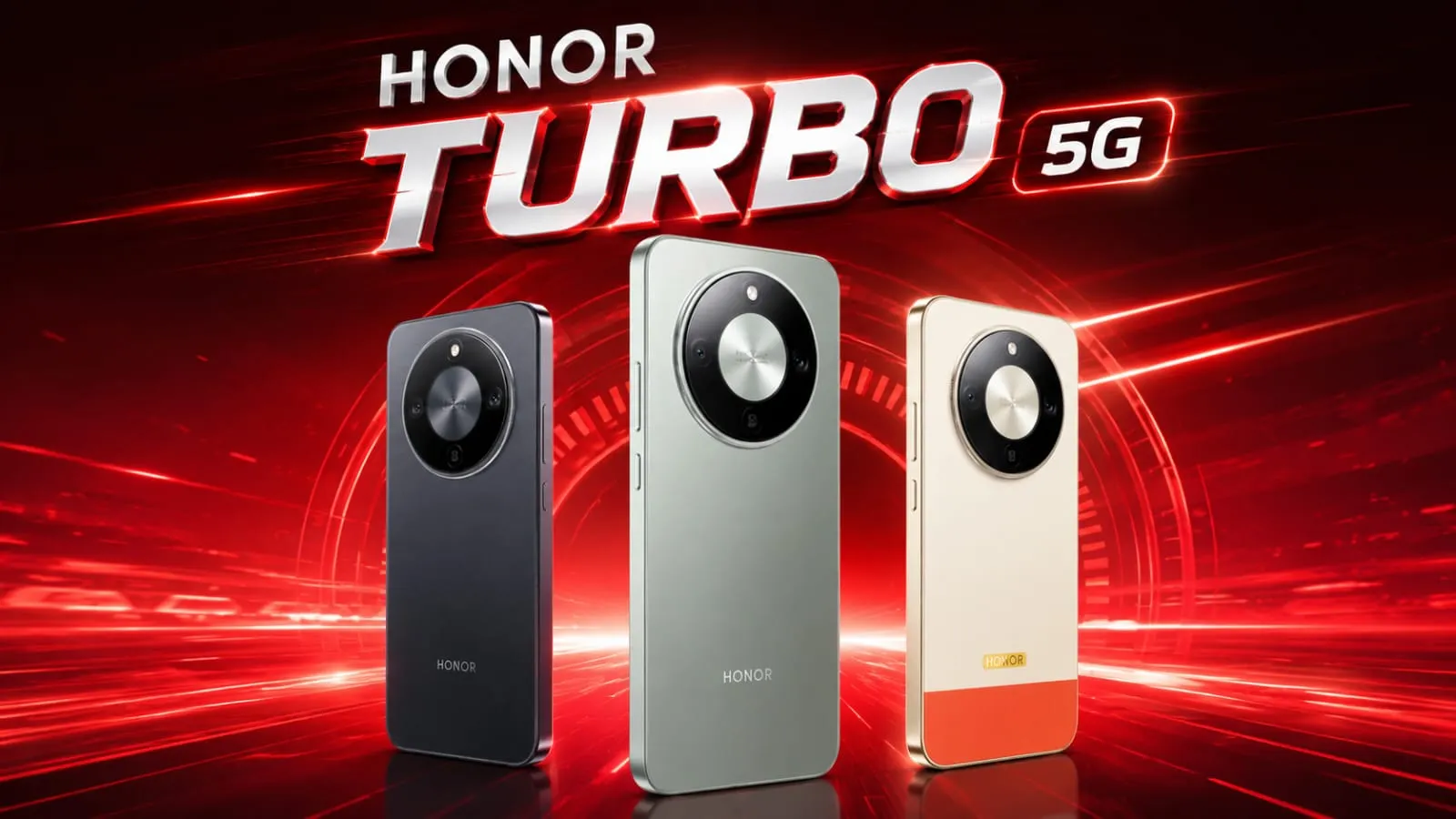
Hey buddy, did you hear the news? The Honor Turbo 5G is finally coming, and there’s a lot of buzz about it online. Why? Because it has a huge 8,560mAh battery, which is one of the biggest batteries I’ve seen in a phone in a long time, after the Vivo V80 Lite 5G. On top of that, it runs on a Snapdragon 6 Gen 4 chip. If you’re someone who dislikes charging your phone every few hours, then this article is for you-stick with us till the end to understand it better. In my experience, battery life is the number one thing people complain about with their phones. I remember carrying a power bank everywhere just to survive a full day. So when I read about the Honor Turbo 5G, I got curious right away. Let’s talk about everything this phone brings to the table, in simple words, so you can decide if it’s worth your money. Quick Highlights of Honor Turbo 5G: Massive 8,560mAh battery with silicon-carbon tech Snapdragon 6 Gen 4 chipset, built on a 4nm process 6.79-inch 120Hz AMOLED display 80W fast charging (wired only, no wireless) 50MP main camera with 5MP ultrawide IP69 rating for dust and water protection Weighs just 196g, which is light for such a big battery Why Is Everyone Talking About the Honor Turbo 5G Battery? Tell me the truth, when was the last time your phone lasted a full two days on one charge? Probably never. That’s exactly why the Honor Turbo 5G battery is such a big deal. It packs an 8,560mAh cell, and it uses silicon-carbon tech, which means more power without adding a lot of extra weight. Even with this giant battery, the phone weighs only 196g and is about 7.76mm thick. That’s honestly impressive. Most phones with big batteries feel like bricks in your pocket, but this one doesn’t. If you are a heavy user who is always on YouTube, WhatsApp, or gaming, this battery can be a real game changer for your daily routine. However, there is one thing I need to mention honestly. The phone supports 80W wired charging, but there is no wireless charging option. So if you love the convenience of just placing your phone on a charging pad, you might feel a little disappointed here. Honor Turbo 5G Snapdragon 6 Gen 4 – Is It Fast Enough? Now let’s talk about power. The Honor Turbo 5G Snapdragon 6 Gen 4 chip is an octa-core processor built on a 4nm process. In simple words, this means it should handle daily tasks smoothly, like scrolling social media, chatting, watching videos, and light gaming. Based on early benchmark numbers, the chip scores around 1,070 in single-core tests and about 3,060 in multi-core tests. If you think as I do, these numbers show a solid mid-range performer. It’s not built for heavy gamers who want the fastest chip out there, but it’s more than enough for normal, everyday use. Honor Turbo 5G Specifications You Should Know Here is a simple breakdown of the Honor Turbo 5G specifications: Display: 6.79-inch AMOLED, FHD+, 120Hz refresh rate Processor: Snapdragon 6 Gen 4 8GB RAM + 256GB Storage: Fast performance and more space Battery: 8,560mAh with 80W wired charging Rear Camera: 50MP main + 5MP ultrawide Front Camera: 16MP Software: MagicOS 10 based on Android 16 Protection: IP69 rating against dust and water Colors: Black, Green, and Orange The screen is a nice touch too. A 120Hz AMOLED panel means smooth scrolling and good colors, which is great for watching movies or playing casual games. Also Read: Honor Robot Phone vs iPhone 17 Pro Max: Camera Battle  Honor Turbo 5G Price and Launch Details Right now, the Honor Turbo 5G launch has happened officially in the Eurasia region, with the phone going on sale in Russia at around 33,990 RUB, which is close to $411 USD. As of now, Honor has not confirmed an official launch in the USA or India market. So if you are in these regions, buddy, you will need to wait a bit for confirmed pricing and availability. I know this might feel disappointing if you were hoping to buy it right away. But companies like Honor often test a phone in one region first before expanding it globally. Keep an eye on official Honor pages for updates on USA and India pricing. Should You Wait for the Honor Turbo 5G? Now let’s talk honestly. If you care mostly about battery life and don’t mind skipping wireless charging, this phone looks like a strong pick. The camera setup is decent but nothing extraordinary, just a standard 50MP main sensor with an ultrawide lens. It’s good, not great. The Snapdragon 6 Gen 4 is fine for daily tasks but not built for heavy gaming or pro-level editing work. So if you are a light to medium user, this phone should work well for you. In my opinion, the Honor Turbo 5G shines mainly because of its battery. That massive 8,560mAh cell combined with a light 196g body is what makes this phone stand out from the crowd. Also Read: HONOR Robot Phone Launched: 200MP Gimbal Camera With AI Features Final Thoughts If battery life is your phone’s biggest priority, then the Honor Turbo 5G is a good mid-range phone. It’s not perfect; there’s no wireless charging, and it hasn’t been confirmed for launch in the USA or India yet; these are the biggest and real drawbacks of this phone. But if you just want a phone that lasts long and doesn’t feel heavy, it’s worth paying attention to. Note: The information shared here is based on publicly available reports and sources at the time. Prices, specifications, and availability may change, and the official launch information in the US and India has not yet been confirmed by Honor. Please check Honor’s official website before making a purchase. Latest Post Honor Turbo 5G Specs: Great Chip, Missing Feature POCO F9 Ultra Clears SIRIM Listing, Hints at Launch Vivo … Read more

POCO F9 Ultra Clears SIRIM Listing, Hints at Launch

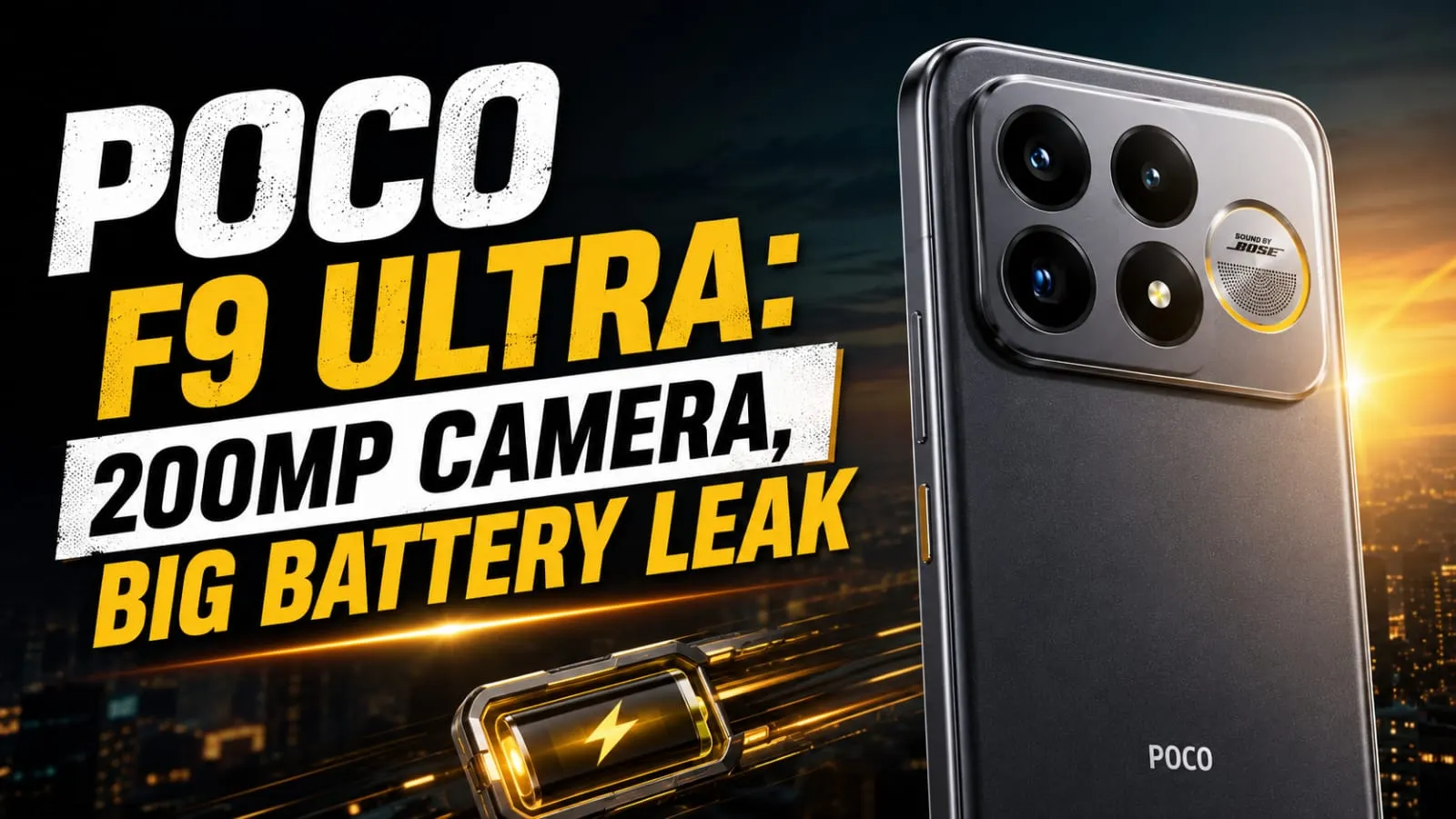
POCO F9 Ultra: 200MP Camera, Big Battery Leak

Hey friend, are you waiting for a new POCO flagship phone? Well, the good news is that the POCO F9 Ultra has just appeared on Malaysia’s SIRIM listing, which users are really liking, and this is a big sign that the phone is going to launch very soon. I remember when my old phone started getting slow last year, and I checked every leak site for weeks before buying a new phone. So trust me, I get why you’re excited about the POCO F9 Ultra. In this article, we’ll talk about everything we know so far, in simple words, no tech stuff. Highlights POCO F9 Ultra spotted on SIRIM (Malaysia) database Approval reportedly happened on 30 July 2026 Model number is 26077PC53G Expected to be a rebadged version of the Redmi K100 Pro Max The device will come with the power of Snapdragon 8 Elite Gen 5 Big 8,050mAh battery with 100W fast charging Massive 200MP main camera setup What Does the SIRIM Listing Actually Mean? Now let’s talk about SIRIM. If you don’t know, SIRIM is basically a certification body in Malaysia. Any phone that wants to be sold there legally has to pass through it. So when the POCO F9 Ultra shows up on this list, it simply means the phone is getting ready for a real market launch, not just rumors anymore. In my experience, once a phone clears certification like this, the official launch usually happens within a couple of months. So if you are planning to buy the POCO F9 Ultra, this is the right time to start saving up, buddy. It’s worth knowing that the phone was not alone on the certification trail. Earlier, both the POCO F9 Pro and POCO F9 Ultra had already been spotted on Singapore’s IMDA certification site and Indonesia’s TKDN platform. These listings confirmed basic stuff like 5G, Wi-Fi, Bluetooth, and NFC support. The device has also been through Taiwan’s NCC database and the GSMA IMEI database, so honestly, this phone has been through almost every checkpoint before landing in stores. POCO F9 Ultra SIRIM Certification and Launch Date Tell me the truth, don’t you also want to know exactly when this phone drops? Sadly, POCO has not given an official date yet. But based on how these certification patterns usually work, a POCO F9 Ultra global launch could realistically happen within the next one or two months. What’s Inside the POCO F9 Ultra? (Specifications) Now let’s get into the good stuff: the actual POCO F9 Ultra specifications. From what leaks are telling us, this phone is shaping up to be a proper flagship killer. Display and Design The phone is expected to carry a 6.9-inch AMOLED screen with a sharp resolution, a smooth 185Hz refresh rate, and a peak brightness of up to 4,500 nits. That means even under harsh sunlight, you should be able to see your screen clearly. It will reportedly use Gorilla Glass 7i for extra toughness, along with a metal frame and IP69 rating for dust and water resistance. Performance Under the hood, the POCO F9 Ultra 5G is expected to run on the powerful Snapdragon 8 Elite Gen 5 chipset paired with an Adreno 840 GPU. A Geekbench listing already showed this chip scoring around 2,980 in single-core and a strong 10,030 in multi-core tests. In simple words, this thing should handle heavy gaming and multitasking without breaking a sweat. It is also tipped to come with 16GB of RAM and run on Android 16 out of the box. Camera Setup If you love clicking photos as I do, this part will interest you. The camera setup is rumored to include a 200MP main sensor with OIS, a 50MP periscope telephoto lens offering 5x optical zoom, and a 50MP ultrawide lens. For selfies, a 32MP front camera is expected. Honestly, if this holds up, it could be one of the strongest camera phones in its price range. Battery and Charging The POCO F9 Ultra is said to pack an 8,050mAh battery, which is genuinely huge. It supports 100W wired fast charging and reportedly 50W wireless charging too. If you think as I do, battery life is often more important than raw speed, so this is a solid win. Extra Features Bose speakers are expected to make a comeback, along with a fun new LED notification ring on the back. Little touches like these make a phone feel more premium. Also Read: POCO M8x 5G Launches in India with Powerful Performance and Long Battery Life Is the POCO F9 Ultra Just a Rebranded Redmi K100 Pro Max? Buddy, this is actually true, at least based on current leaks. The POCO F9 Ultra is expected to be a global, rebadged version of the Redmi K100 Pro Max, but with a slightly smaller battery. This is a common practice for POCO, so it’s not really a bad thing. You still get flagship hardware, just with a different name and skin. POCO F9 Ultra Price and Specifications in India Now, the part everyone actually cares about: pricing. Nothing is official yet, but early estimates suggest the POCO F9 Ultra price in India could land somewhere around ₹69,999, based on current market chatter. In global markets, leaks suggest a starting price of at least €999, while the Pro variant may start around €799. If these numbers hold true, the phone would sit in the premium mid-range to lower flagship category. Honestly, that seems fair given the specs sheet we just talked about. Should You Wait for the POCO F9 Ultra? If your current phone is still working fine, I would say wait for the official launch and real reviews before jumping in. However, if you are someone who loves having the latest tech, keeping an eye on this POCO F9 Ultra launch makes total sense. In my experience, first-week prices are usually a bit high, and better deals show up after a month or two. So patience can actually save you some money here. Also Read: POCO … Read more

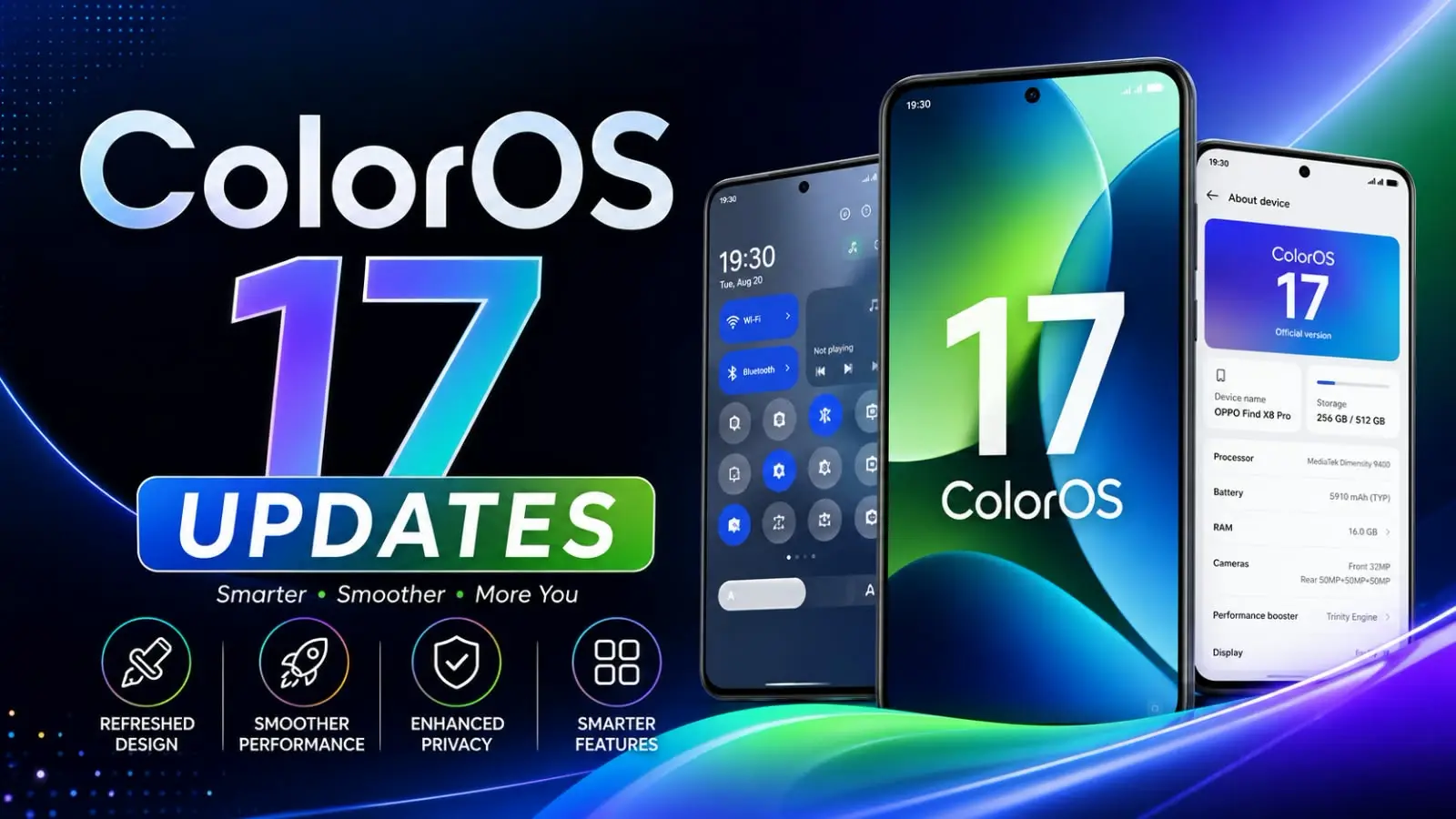
ColorOS 17 Update: Release Date, Phones and Features 

ColorOS 17 update excellent features and risks

So, buddy, have you also been hearing everyone talk about the ColorOS 17 update these days? I can understand, to be honest. Every time OPPO, OnePlus, or Realme hints at some new software, my phone gets flooded with group chat messages. Tell me the truth, don’t you also refresh tech blogs in the middle of the night just to get update news? I do, and that’s exactly why I sat down to write this easy guide for you.  In this article, we’ll cover everything about the ColorOS 17 update, the expected release date, which phones will get this update, and what new features are coming. No lies, no confusing tech jargon, just plain and simple talk, like I’m explaining it to a friend over tea.  Highlights ColorOS 17 is based on Android 17  Closed beta testing has already started for some phones.  Stable release is expected around late 2026 to early 2027  OnePlus and Realme phones are also joining ColorOS, and OxygenOS plus Realme UI are being retired.  New design, better battery life, and smarter AI tools are coming.  Now let’s talk about each of these points in a little more detail, so you know exactly where your phone stands.  When Will The ColorOS 17 Update Actually Arrive? This is the question everyone keeps asking me, so let’s talk about the ColorOS 17 release date first. As of now, OPPO has already opened closed beta testing in India and a few other countries. However, this beta is limited, so only a small number of users per phone model can join right now.  Based on what companies have shared so far, the stable ColorOS 17 update is expected to roll out around late 2026, possibly alongside the new Find X10 series, and then it will spread to other phones through early 2027. In my experience, these companies almost always take a bit longer than the first guess, so please don’t set your alarm for a specific date just yet.  For our friends in the USA, since OnePlus has stepped back from some regions, the rollout there may look a little different and slower compared to India. So if you think as I do, patience is honestly your best friend here.  Also Read: Can AI Tools Write High-Quality Blog Posts? Complete Guide ColorOS 17 Eligible Devices: Is Your Phone On The List? Now the big question, buddy: will your phone actually get the ColorOS 17 update? Here is what we know so far about eligible devices.  OPPO phones: Find X and Find N series first, followed by Reno, F, and K series phones  OnePlus phones: Recent flagship series like OnePlus 11, 12, 13, 15, OnePlus Open, and some Nord models  Realme phones: Newer flagship and mid-range models, along with select Realme Pad tablets  Here’s the honest part: none of these three brands have released a full official list yet. So right now, whatever list you see online, including this one, is based on each brand’s usual update policy. If your phone is more than two or three years old, chances are lower, and that’s just being real with you.  OxygenOS And Realme UI Are Retiring, What Does This Mean? This is honestly the biggest twist in this whole update. OnePlus and Realme have confirmed that their own software, OxygenOS and Realme UI, are being retired. Going forward, every phone that qualifies for Android 17 will simply run on ColorOS.  If you bought a OnePlus phone just because you loved OxygenOS being clean and simple, I understand your worry. In my experience, ColorOS tends to feel more feature-packed but slightly heavier. The good part is that the switch is optional for existing OxygenOS users, and there will be a way to go back if you don’t like it.  What’s New? ColorOS 17 Features Worth Knowing Let’s now talk about the fun part: the actual features in the ColorOS 17 update.  New Liquid style design with glowing, glass-like visuals across menus and icons  Smarter AI assistant for daily tasks, reminders, and personalization  Better battery life and cooler gaming performance thanks to an upgraded Trinity Engine  Improved cross-device sharing, so sharing photos or files with an iPhone becomes easier.  Expandable notifications, so your first notification opens automatically instead of staying collapsed.  Now, is everything perfect? Not really. Early beta builds are known to have small bugs and slightly faster battery drain, so if something feels off in beta, that’s normal, not something to panic about.  Should You Update Right Away Or Wait? Here is my honest, practical advice for you. If your phone is not your main daily device, go ahead and try the beta once it’s your turn. But if this phone is your only phone, buddy, please wait for the stable version. I once installed an early beta on my main phone just to try new features first, and I ended up stuck with a laggy camera app for two whole weeks. Learn from my mistake here.  Also Read: ColorOS 17 vs One UI 9: Shocking AI Battle 2026 Final Thoughts The ColorOS 17 update looks genuinely exciting, especially with OPPO, OnePlus, and Realme finally coming together under one software. However, since nothing is officially confirmed yet, treat every date and feature here as an expectation, not a promise. Keep checking your phone’s software update section, and you will know the moment it’s your turn.  Disclaimer  This article is based on publicly available reports, leaks, and the beta program details available at the time it was written. Official release dates, eligible devices, and features may change once OPPO, OnePlus, and Realme make their final announcements. Always double-check the details on your phone’s official settings or the brand’s website before updating.  Latest Post BOLTT ACE 5G VS EVO 4G: WHICH BUDGET PHONE WINS?  iQOO Z11 vs OnePlus Nord CE6: Which One Should You Buy? Intel Robotics Research Predicts Robot Fleets Are Coming Fast Honor Turbo 5G Specs: Great Chip, Missing Feature POCO F9 Ultra Clears SIRIM Listing, Hints at Launch Earbuds Apple AirPods vs Samsung Galaxy Buds: Best Choice in 2026? POVA AI Buds Pro Launch: AI Recording, Powerful ANC  Best iQOO Buds Features & Unexpected Downsides in 2026 Laptops Acer 2026 Laptops: Amazing Features, Hidden Issues Revealed Lenovo Legion 7a RTX 5070: Big Gaming Upgrade Save Up to Rs 20,000 on MacBook Air M5 Discount Deal FAQ’s When will the ColorOS 17 update be released? The stable ColorOS 17 update is expected around late 2026, possibly starting with new Find X10 series phones, then … Read more